The Story
Why it exists.
The beginning
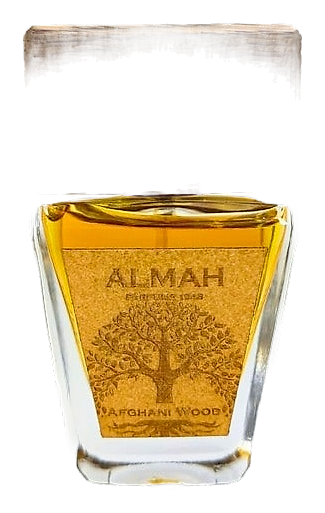
Afghani Wood arrived in 2024 from Jordi Magrans, and the name points straight at its materials. Afghani rose brings a darker, resinous kind of floral character than a soft European rose, while agarwood from Indonesia supplies the woody depth underneath. Pine oil and exotic woody notes fill in the gaps between them. The brief seems simple, but the execution is where the interest lies, pairing a recognisable floral with materials that usually sit far from it. This is not a rose built for romance or aoud built for swagger. It's the intersection, and the tension between the two is the whole point. As the scent settles on skin, the floral reads less like a bouquet and more like a single presence, folded into wood and resin, quietly confident and unusually balanced in its weight.
The unusual choice here is the pairing rather than any single material. Rose and oud have history together, but the presence of pine oil gives the composition a character of its own, distinct from a purely floral reading and from a dense resinous one. Resins give the floral something to lean on, keeping the heart of the scent grounded and mineral in feel. Musk and oud contribute depth, so what begins as a floral question ends somewhere much darker and more textured.
The evolution
What makes Afghani Wood interesting is the way its materials negotiate with each other over the course of a wear. The rose is dry and dark rather than sweet or powdery, closer to petals resting in a warm room than to anything freshly cut. Resins give the floral a mineral, slightly incense-like context, so the rose never floats free on its own. Oud sits beneath the surface as a shadow rather than a blast of smoke, and musk keeps the edges smooth, pulling the whole composition in close to the skin. As the hours pass, the woody and resinous materials remain the most legible parts of it, warm against fabric like a trace left behind. The drydown is where this fragrance settles into its own skin, close and steady rather than loud, and the balance between rose and wood continues to hold even as the brighter floral quality softens.
Cultural impact
Afghani Wood occupies an interesting space within fragrance, where floral compositions and oud compositions are often pulled in different directions. Combining the two in a restrained, unisex frame lands somewhere neither label quite fits, and that ambiguity is part of its appeal. For people drawn to darker roses, woody orientals, or compositions with a smoky edge, this is an easy recommendation and a hard one to replace. The materials themselves carry their own associations: rose brings softness and romance, agarwood brings depth and gravity, pine oil brings an outdoorsy sharpness, and resins tie the whole arrangement together.
The House
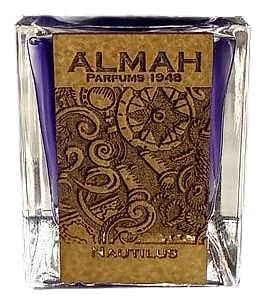
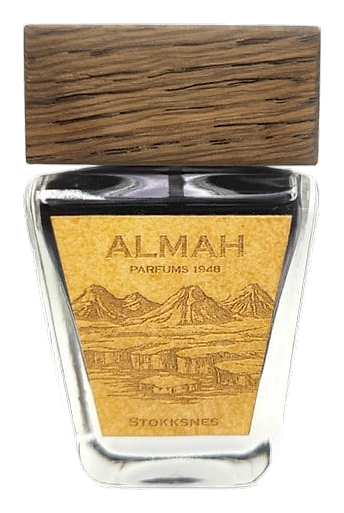
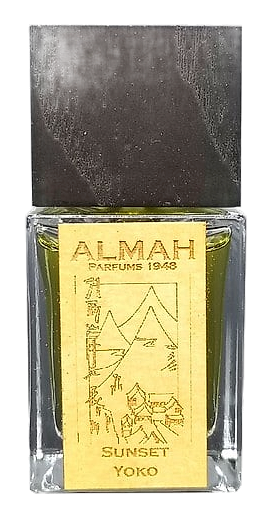
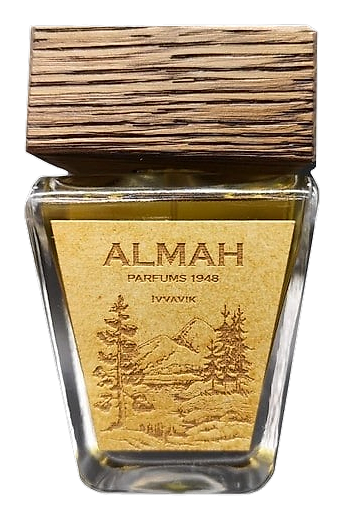
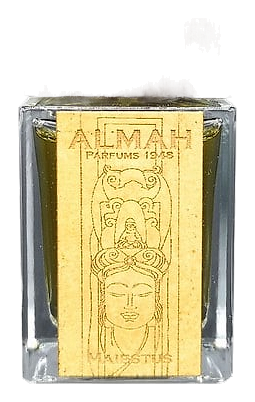
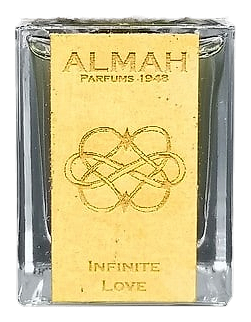
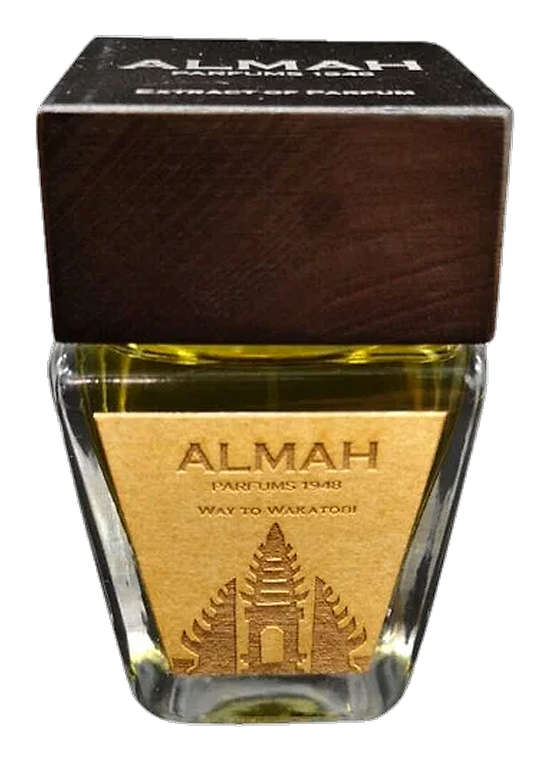
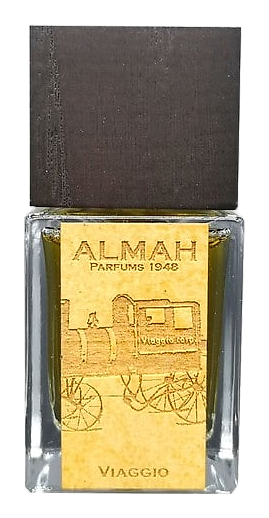
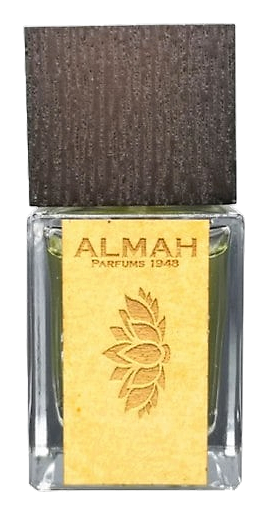
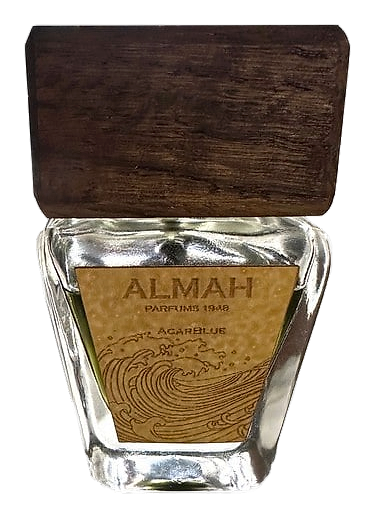
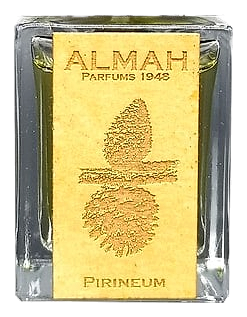
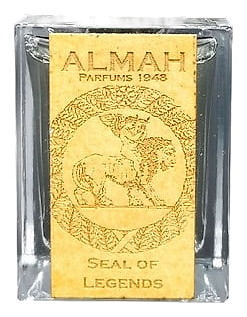
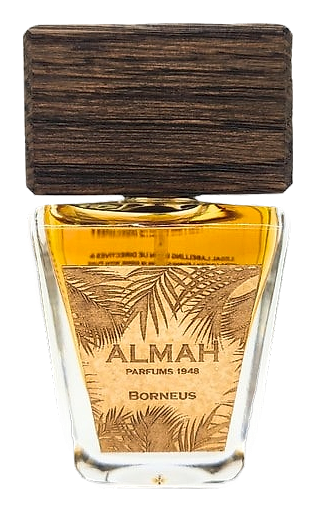
Almah Parfums 1948Almah Parfums 1948 lives in the heart of Barcelona, where a family workshop turns natural essential oils into scents that feel like a quiet walk through a Mediterranean garden. The house offers a modest catalogue that includes recent releases such as Borneus (2024) and earlier creations like Way To Wakatobi (2019). Each fragrance is presented in a clear bottle that lets the aroma speak for itself, without flashy marketing or over‑the‑top claims. The brand’s modest scale lets it focus on ingredient quality, precise maceration, and a calm, almost scholarly approach to perfume making.
The Creator
Jordi MagransJordi’s technique centers on green, herbaceous accords layered with bright citrus. He often starts with bergamot, celery or basil, then weaves in fir, cardamom and marjoram to create depth.