The Story
Why it exists.
The beginning
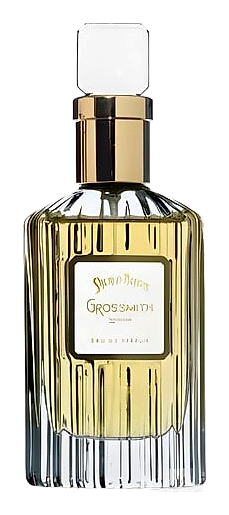
Trevor Nicholl created Shem-el-Nessim in 1906, naming it for the Egyptian spring festival that celebrates the Nile breezes, the season when warm air carries the scent of flowers off the water and into the streets. The perfume draws from iris and orris root, materials prized for their aromatic depth, combined with bergamot and neroli to evoke that sense of open air. The 1906 launch placed it firmly in the Edwardian era, a period of refined tastes and careful craftsmanship. Shem-el-Nessim was different from the house's other offerings. Rather than creating something designed solely for status or impressing a household, this fragrance was built to capture a specific atmosphere, to summon a place and a season through scent alone.
The orris root is the quiet spine of this composition. Unlike the brighter florals, the jasmine, the rose, the ylang-ylang, orris doesn't announce itself. It sits beneath the surface, adding a powdery depth that makes the white florals feel less heady, more restrained. That's the trick: Shem-el-Nessim smells expensive not because it's loud, but because it knows when to quiet down. The heliotrope in the base amplifies this effect, adding an almond-floral softness that rounds the edges of the sandalwood and patchouli underneath. Together, the heart and base create a drydown that feels cohesive, nothing sticking out, nothing fighting.
The evolution
The opening hits bright and citrus-clean: bergamot and neroli lifting the top, a brief flash of something almost green before the florals arrive. Jasmine and ylang-ylang move in, not aggressive, but present, their sweetness tempered by geranium's herbaceous edge. The rose is quiet here too, more texture than statement. As the fragrance develops, the orris root takes center stage, bringing with it a powdery character that feels natural and warm, like the dust on an old book. Heliotrope and vanilla then settle underneath, creating a sweet-creamy base that extends the drydown. The sandalwood and cedar give it enough structure to stay interesting. Throughout the wear, the scent maintains a quiet confidence, lingering close to the skin with a soft, warm presence that offers a subtle reminder of its initial appeal without demanding attention.
Cultural impact
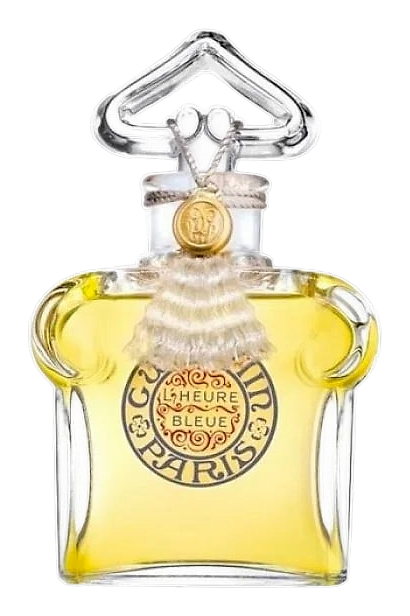
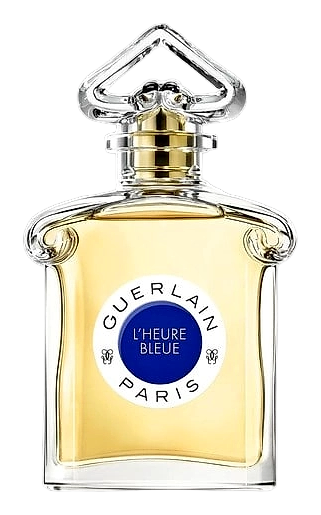
Shem-el-Nessim occupies an unusual position in the modern fragrance landscape: a classic that never became a cliché. It predates the Guerlain reformulation era, predates the niche boom, and yet it remains in production, still relevant in a market that often prioritizes novelty. The comparison to Guerlain's L'Heure Bleue surfaces regularly, though those familiar with both note the difference in character despite sharing a powdery floral soul. What's notable isn't novelty but persistence. The formula has endured, and that alone makes it worth attention.