The Story
Why it exists.
The beginning
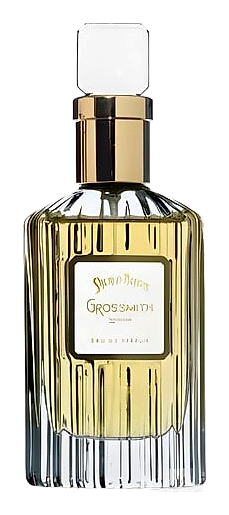
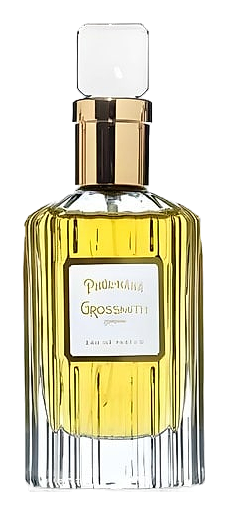
In 1891, Trevor Nicholl created Phul-Nana, 'lovely flower' in Hindi, as a bouquet of chosen Indian flowers translated into British perfumery. The name signals intent: this was a specific aromatic vision, the subcontinent's floral abundance through Victorian craftsmanship. Presented to members of the royal household, the fragrance offered a bridge between distant botanical sources and the refined preferences of British taste. The composition drew from the richness of Indian florals, suggesting a perfumer engaged with the possibilities of exotic materials rather than simply replicating familiar formulas.
What makes Phul-Nana unusual is its structural ambition: a bright, almost soapy citrus opening that surrenders entirely to a white floral heart dense enough to feel excessive, before softening into a powdery balsamic base. The result is a scent that smells like three different perfumes worn in quick succession, citrus, tropical bloom, then talc and resin. The opoponax in the base, a sweet myrrh relative, adds a slightly medicinal softness that keeps the drydown from ever feeling heavy, even as vanilla and benzoin pile on the warmth.
The evolution
The opening arrives crisp and citrusy, bergamot, orange, neroli, like sunlight through tall windows. Within minutes, the hand-off begins: geranium's green note bridges the transition before tuberose and ylang-ylang take over, their heady white floral richness climbing. The base is where Phul-Nana earns its age. Benzoin's balsamic warmth meets vanilla's sweetness while patchouli grounds everything in soft earth. Cedar, sandalwood, and opoponax create a powdery, almost talc-like drydown that stays close to the skin for hours. On fabric, it lingers like perfume on old silk, intimate, never announced, but impossible to mistake for anything modern.
Cultural impact
Phul-Nana helped establish the oriental fragrance category, warm, balsamic, floral, during a period when British perfumery was developing its relationship with colonial botanical materials. The 1891 launch date places it squarely in an era of active experimentation with imported floral ingredients. Presented to the royal household, it represented a house willing to engage with the challenge of making exotic materials accessible to established preferences. Today it remains in continuous production, a surviving example of Victorian perfumery that has maintained its original character. For collectors of historical fragrance, it's a document.