The Story
Why it exists.
The beginning
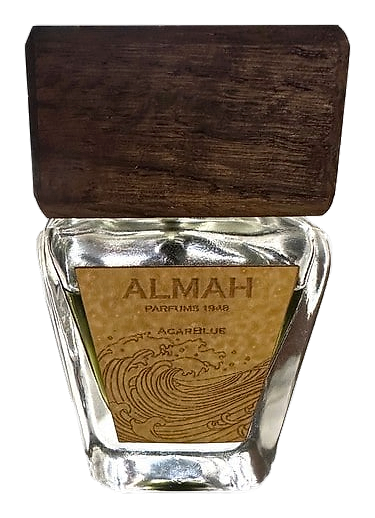
AgarBlue launched in 2022, and the brief centered on an aquatic agarwood, a direction noted as among the first for this category. The label is Spanish, and the fragrance reaches across geographic lines to pull materials rooted in Southeast Asia and the Middle East, then bends them toward something that smells like open coast rather than a temple room. The name does the work. Agar, for the agarwood at the center. Blue, for the water that frames it. An oud composition dressed in salt air rather than incense smoke. Three oud variants anchor the structure: Cambodian, Assam, and Sri Lankan. Each source contributes its own gravity to the blend, and the interplay between them keeps the composition restless.
What sets AgarBlue apart is the chamomile working as a structural note, not a background herb. Blue chamomile threads through the composition with a cool, slightly bitter quality that holds the fragrance in an aquatic register. It cools the oud, yes, but it also sets up a green contrast that the vetiver amplifies later. The three-oud layering is the move that makes this interesting. Most agarwood fragrances anchor themselves to a single mood, a single room, a single ritual context. AgarBlue works differently.
The evolution
The opening moves in a direction you don't always associate with oud. Chamomile and citrus lead, and there's a cool, herbal quality that establishes the aquatic framing almost immediately. Blue chamomile gives this phase a clarity that makes the other notes feel suspended in something colder and cleaner. The smoke arrives early but stays restrained, threading through the composition rather than dominating it. Black pepper runs through the entire wear, persistent without ever becoming loud, keeping the blend alert. The second hour is where the agarwoods start to assert themselves. The oud thickens, and the scent pulls inward, gaining weight and resinous gravity. Vetiver shows up during this phase and stays, grounding the composition in damp soil and green stems.
Cultural impact
AgarBlue sits at a specific intersection in contemporary perfumery, noted as among the first aquatic agar compositions to reach a wider audience. The fragrance has earned a following among wearers who describe it as an oud that doesn't perform as oud usually performs. It appeals to people who want agarwood without the formality, without the heavy Middle Eastern or South Asian ritual framing that often accompanies the material. What makes it land is the way it reimagines oud as something more casual, more wearable in everyday contexts. The smokiness is present but contained. The woods are dense but not oppressive.