The Story
Why it exists.
The beginning
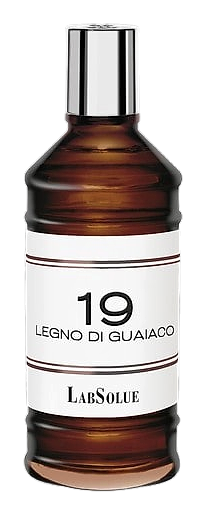
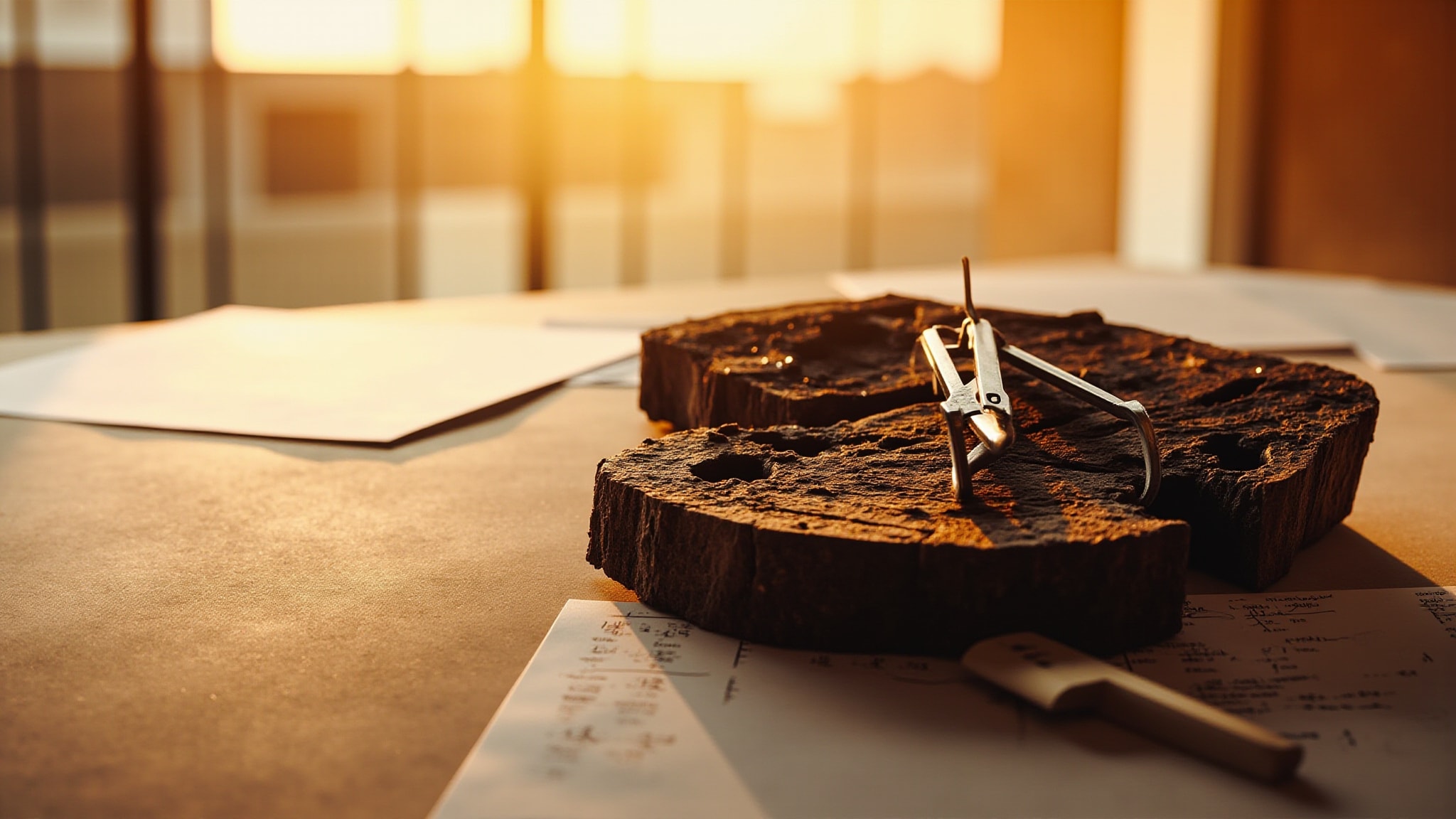
Daphné Bugey built this around a paradox: guaiac wood is among the heaviest, most resistant woods in the world. Dark, dense, almost impossible to work with. The brand calls it the Wood of Life, named for its aromatic and healing properties in South American tradition. The fragrance opens with a surprising quality, warm and resinous, with a subtle sweetness that balances the wood's natural density. As it develops on skin, the material reveals itself in layers, each one revealing more of the complexity that makes this wood remarkable in perfumery. The overall effect is a scent that honors the wood's heritage while creating something entirely its own.
Patchouli provides the earth, olibanum the smoke, but guaiac wood contributes something unexpected. The brightness it carries isn't citrus or mint or anything sharp. It's the warmth of sunlight filtered through a forest canopy. On paper, three dark materials. In the bottle, something that defies expectations, with each element playing a distinct role in the composition. The combination creates a nuanced fragrance where warmth and shadow interact in surprising ways, offering depth that invites closer inspection.
The evolution
The opening arrives quiet. Not faint, but contained. The guaiac wood's brightness doesn't burst, it filters. For a gentle period, there's a subtle tension between that light and the patchouli warming underneath. Then olibanum arrives. Not smoke, exactly. More like the memory of smoke, the way incense hangs in a room after you've left. The frankincense and patchouli deepen together, but they never collapse into each other. Guaiac wood stays present throughout, threading brightness through the heavy materials. The drydown settles close, intimate, the kind of projection that only someone standing very near will notice. The composition maintains its character from start to finish, with the materials holding their distinct identities while creating something greater than the sum of their parts.
Cultural impact
19 Legno di Guaiaco arrived during a pivotal shift in niche perfumery toward material-forward composition. The post-2010 minimalist trend, which stripped away complex layering in favor of single-ingredient purity, found a perfect vessel in LabSolue's numbered system. Unlike mainstream perfumery, which relied on evocative names and narrative packaging, the numeric approach prioritized the material itself. This fragrance embodies that philosophy: guaiac wood celebrated not for its story but for its inherent qualities. The timing coincided with a broader cultural movement valuing authenticity over spectacle, where consumers increasingly sought transparency in ingredients and artisan credentials.