
The Story
Why it exists.
The beginning
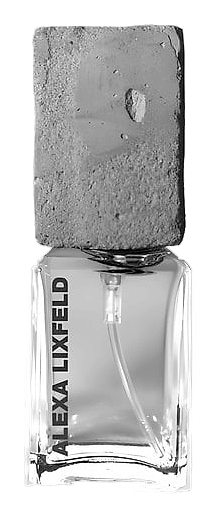
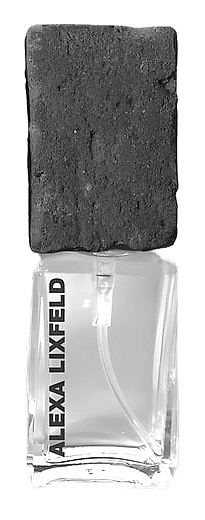
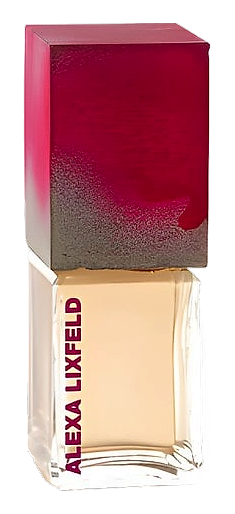
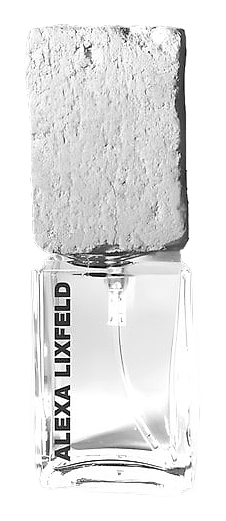
001 arrived as the opening statement of a four-fragrance collection. Alexa Lixfeld, a Hamburg designer, wanted to number rather than name. No evocative titles. No origin myth. Just 001, 002, 003, 004. The concrete caps she designed for these flacons made the industrial manifesto explicit: rough material against precious glass, function questioning form. The sensibility she brought to these bottles spoke clearly through their design alone, each element working in concert to make a statement about what fragrance could be.
The composition reflects the same systematic thinking. Citrus as an opener isn't unusual, but pairing it with green notes and then pushing immediately into saffron and star anise, spices that demand attention, keeps the wearer slightly off-balance. The heart layers jasmine and rose oil, florals that could go sweet, but cedar and patchouli prevent that. The result is a fragrance that refuses to settle into a single register. It's doing several things at once, and that's the point.
The evolution
The first thirty minutes are all citrus clarity, lemon, orange, that green bite cutting through like a blade. Then the hand-off happens. Jasmine emerges, not delicate but present, and with it comes saffron's warmth, star anise adding a faint aniseedy nudge that most people don't see coming. The rose oil doesn't announce itself; it threads through, adding softness without going powdery. Cedar arrives around the hour mark, dry and structural, taking over from the florals. Patchouli provides the earth, the counterweight. The base is where 001 earns its depth, vanilla and musk settling into skin, sandalwood giving it warmth that creates an intimate drydown. The fragrance transforms across these phases, each transition revealing a new dimension without any single moment overwhelming another.
Cultural impact
001 exists as a numbered statement in the landscape of fragrance design, proposing a different relationship between scent and naming. Lixfeld's system applies catalog logic to luxury, inviting wearers to engage with the fragrance on its own terms rather than through associative language. The concrete caps make the statement physical: here was a fragrance that wanted to be touched, to function, to be considered a designed artifact rather than a decorative bottle. This approach to packaging as concept creates a coherent philosophy where nothing is merely ornamental.