Heritage
A house, in its own words
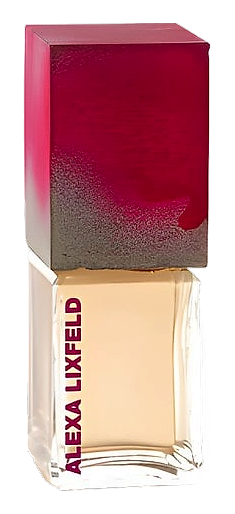
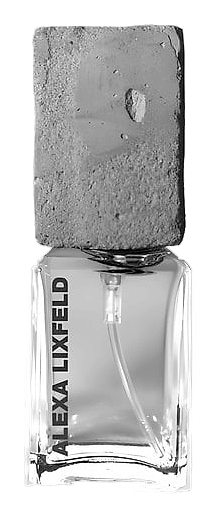
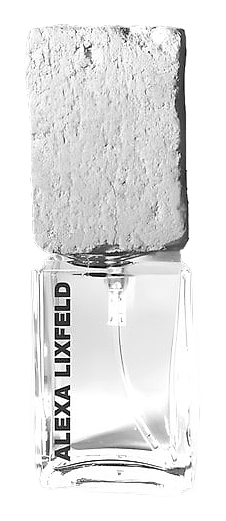
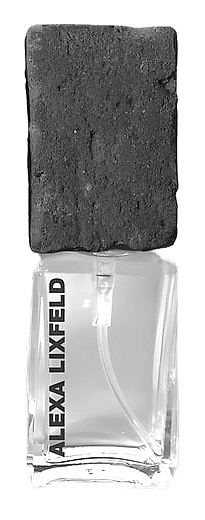
Alexa Lixfeld established her design practice in Hamburg, Germany, where she developed a distinct visual language rooted in industrial design principles. Her entry into fragrance came not from the perfumery side but through product design. The Dezeen and Trend Hunter coverage of her work describes her as a Hamburg designer who applied her sensibility to perfume packaging before eventually creating her own fragrance line. In 2010, she released her debut collection of four perfumes, numbered sequentially from 001 to 004. This numbered nomenclature suggests a systematic approach, treating each fragrance as part of a cohesive body of work rather than standalone releases. The collection arrived without the typical fanfare of a fashion house or the heritage narrative common to European fragrance brands. Instead, Lixfeld's entry into perfumery read more as an extension of her broader design practice. All four of her perfumes were released within this single launch year, indicating a simultaneous rather than staged introduction. The concrete bottle design that has become her signature emerged alongside or shortly after this initial release, cementing her reputation as a designer who refuses to separate form from content. Lixfeld's approach to fragrance rejects the decorative traditions that dominate the luxury perfume market. Her work suggests that perfume bottles should function as sculptural objects first, with the liquid inside serving as the material rather than the point. The concrete caps she employs across her fragrance line introduce a deliberately anti-luxurious material into a category defined by precious metals, hand-blown crystal, and polished glass. This choice appears intentional, a commentary on what makes an object valuable or beautiful. Her stated approach merges contemporary design with European glass-making traditions, suggesting she does not reject craftsmanship but rather redefines which crafts matter in this context. The industrial nature of concrete contrasts with the artisanal heritage of European glass-blowing, creating a tension in her work that feels exploratory rather than oppositional. Lixfeld seems to believe that fragrance design should extend beyond smell into tactile, visual, and conceptual dimensions. Her numbered collection format implies that fragrance can function as a research project, with each iteration building systematic knowledge rather than chasing market trends. The lack of traditional perfumer attribution in her releases suggests she views the formulator as one contributor among several, not the singular creative authority.