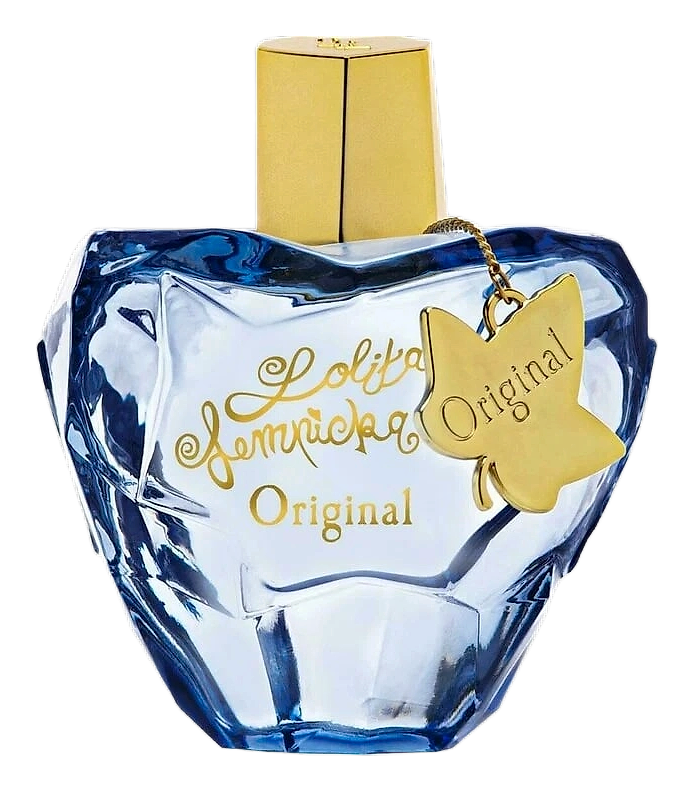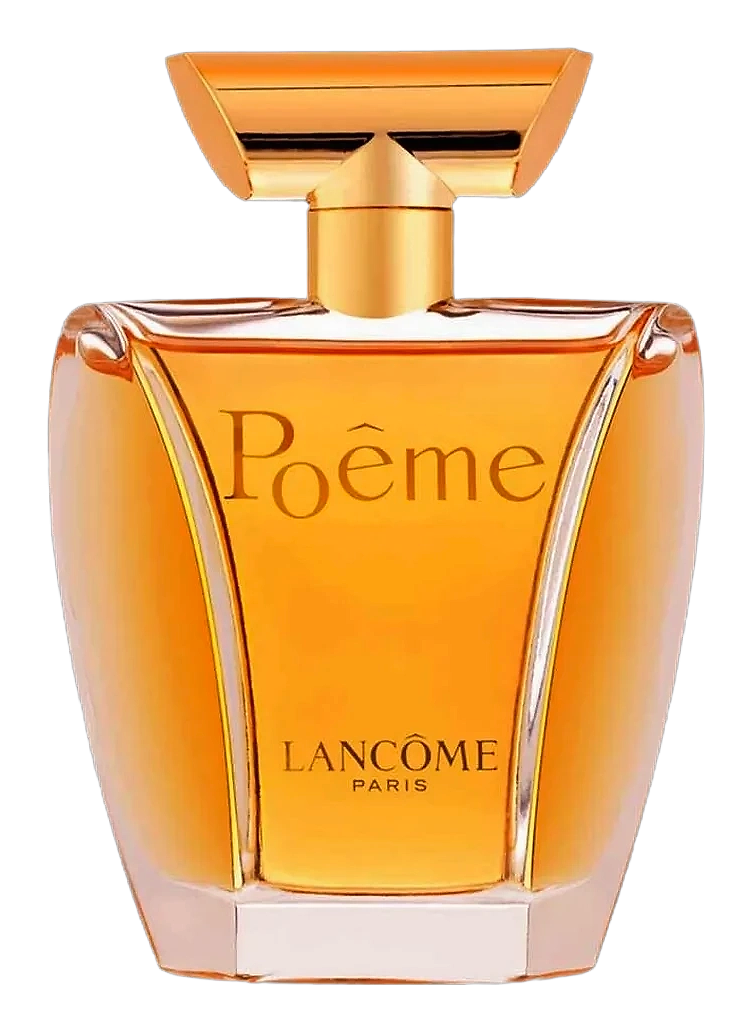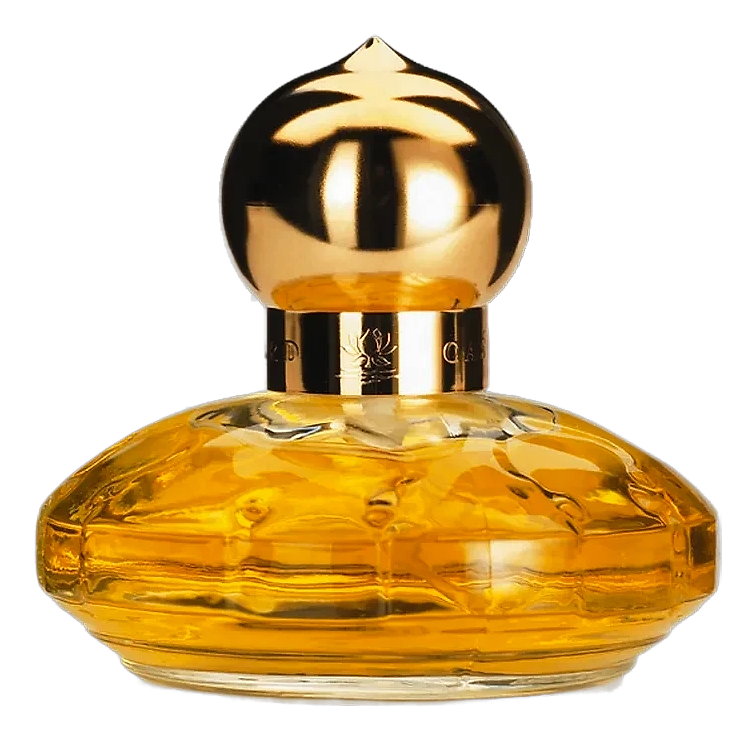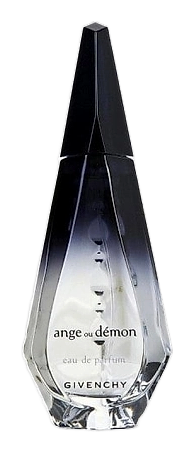
The Story
Why it exists.
The beginning
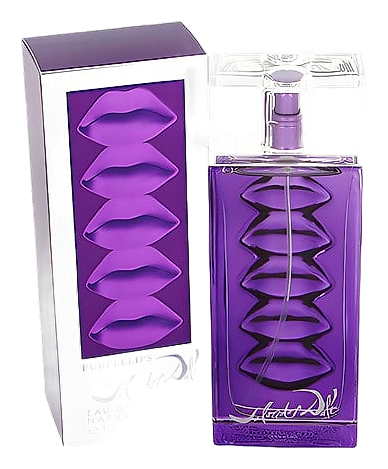
Purplelips arrived in 2006, created by perfumers Antoine Lie and Guillaume Flavigny. The name says everything: it's named for the color purple itself. In perfumery, purple is rare, a shade associated with sensuality and mystery, rarely translated literally into scent. Lie and Flavigny built it around an unusual pairing: lilac and blueberry. One is a classic floral with an almost indolic softness. The other is tart, bright, slightly acidic. The tension between them is the whole point, the perfumers didn't smooth it out. They let it breathe.
What makes the composition work is how the fruit and florals refuse to separate. Blueberry doesn't arrive and then leave. Lilac doesn't wait its turn politely. They arrive together, the lilac softening the blueberrty's tartness into something plush, the blueberry keeping the lilac from floating into pure abstraction. Purple orchid adds an exotic dimension, waxy, slightly honeyed, not quite like anything else in this price range. The result is a fruity-floral that actually earns the name. It's not fruit + flower as two separate phases. It's fruit becoming flower, and the flowers never quite let go of the berry.
The evolution
The opening hits within seconds, blueberry and passion fruit, bright and almost jammy. The lilac doesn't wait long. Within minutes it's already creeping in, not as a transition but as a full takeover. The violet and purple orchid take another 15 to 30 minutes to fully unfold, adding that characteristic powdery sweetness. The drydown arrives around the hour mark: amber, musk, and sandalwood settle close to the skin, warm and creamy. What lingers is intimate, not the kind of fragrance that announces itself across a room. It stays close. Wears close. The sillage is moderate, but the longevity holds, leaving a powdery warmth that loyal fans will treasure.
Cultural impact
Purplelips arrived in 2006, a moment when fruity-floral compositions dominated the mainstream market. What set it apart was its willingness to lean into purple, the color, the concept, the audacity of naming a fragrance after a shade. The powdery florals and synthetic backbone that might have read as dated then read as avant-garde now. It's a fragrance that found its audience quietly, the kind people either adore or completely overlook. The berry-lilac combination is unusual enough to warrant attention, mainstream enough to wear without explanation.