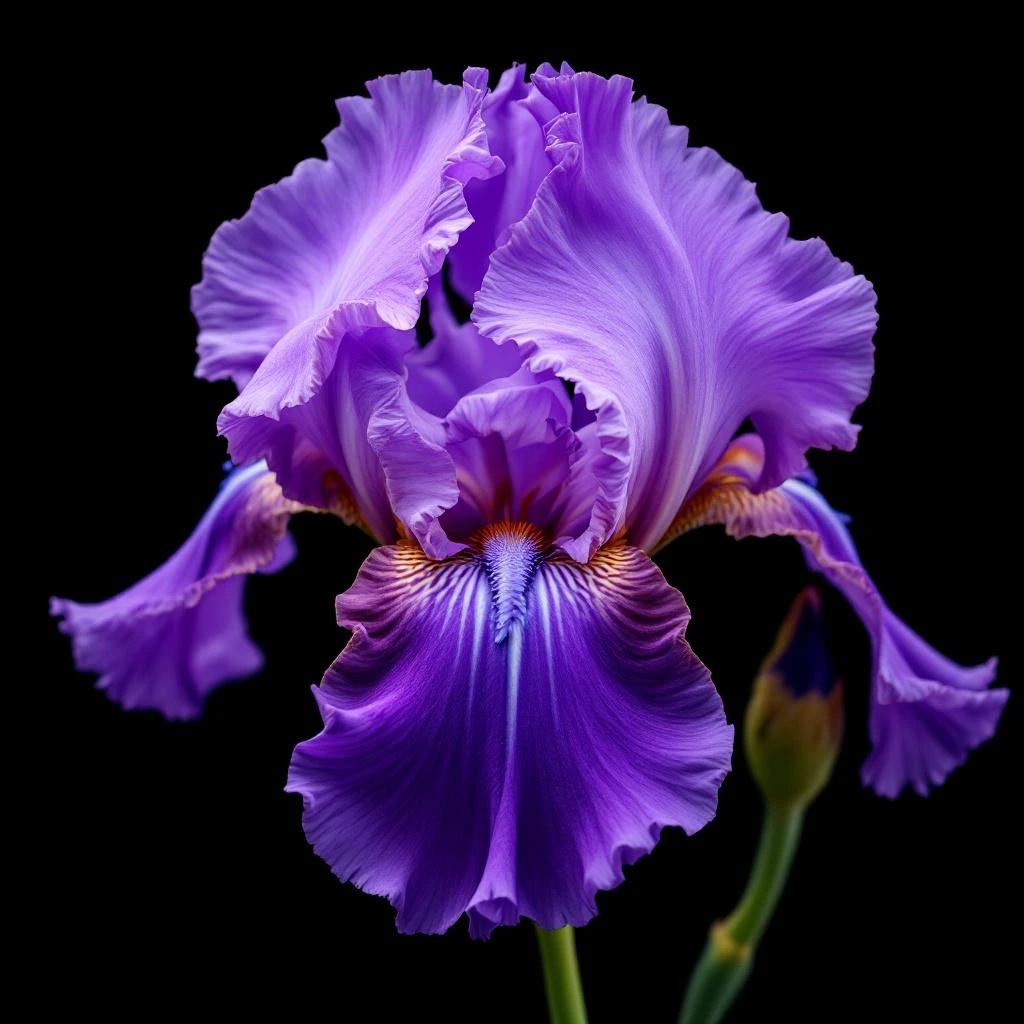
Crocus
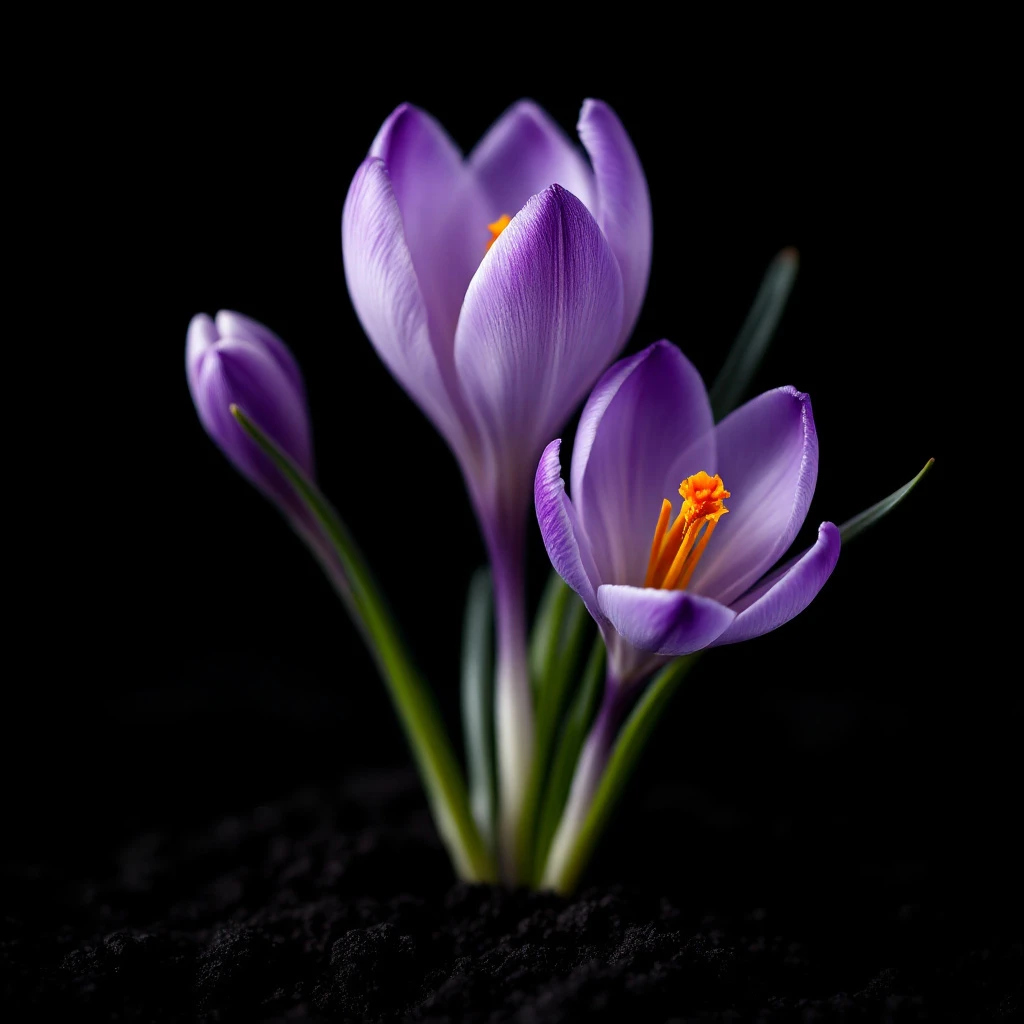
The crocus flower yields one of perfumery's most treasured ingredients. Three delicate stigmas per bloom, hand-harvested in autumn, carry a complexity that perfumers have sought for millennia. Few ingredients carry such weight for such a small quantity.
Character
How it smells
Three stigmas. Thousands of years of desire.
Crocus sativus cannot reproduce sexually. Every plant alive today is a genetic clone, spread only through human-assisted corm division.




Origin
Greece
Crocus cultivation traces to the Bronze Age Mediterranean, where Minoan and Phoenician traders first distributed saffron across the ancient world. Greek, Roman, and Persian elites prized it as a luxury good, and Egyptian texts document its use in ceremonial preparations.
The flower carries mythological weight across multiple cultures. The Greek legend of Crocos and Smilax describes a love transformed into the purple bloom. In Greek poetry, crocus appears as a symbol of transformation and beauty associated with Apollo and the Muses. The word itself entered European languages through Latin and Greek roots.
Ancient trade routes carried crocus from Greece through the Middle East to Persia, where it featured in religious rituals and royal perfumery. Pliny the Elder documented its medicinal uses alongside its aromatic applications. By the time perfumery became an organized craft, saffron had already accumulated thousands of years of cultural significance.
Wears it best
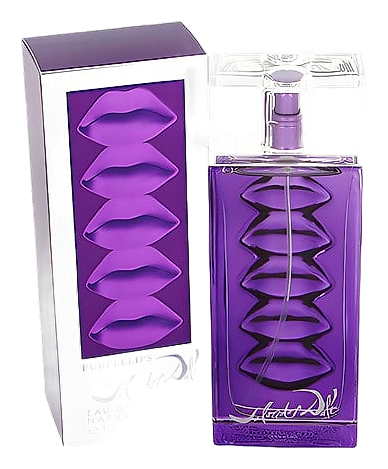
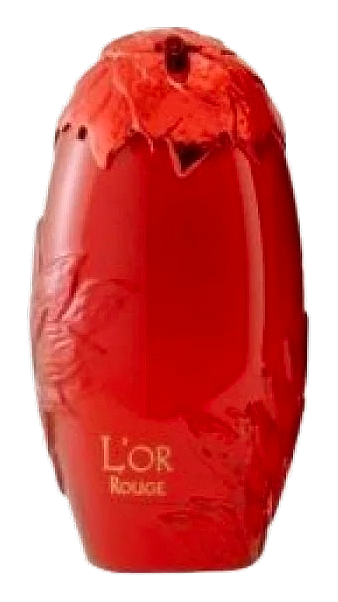
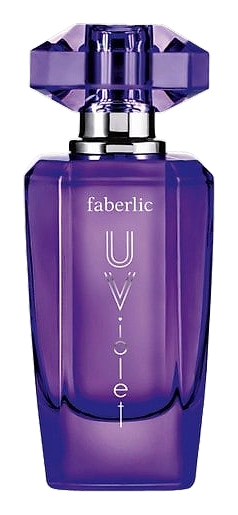
Fragrances featuring Crocus
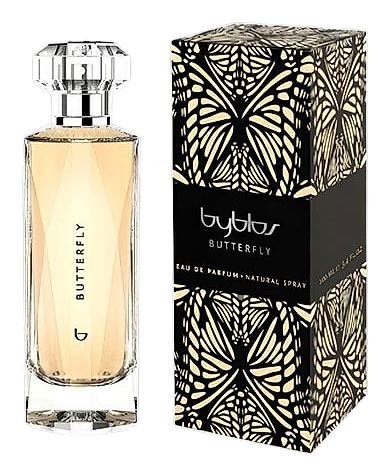
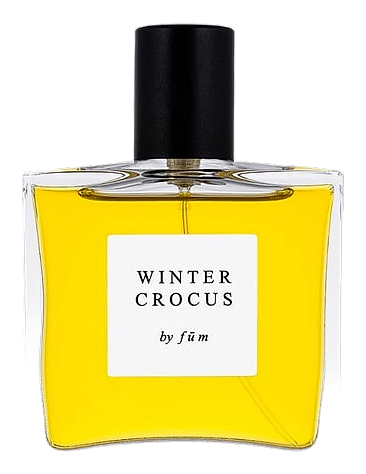
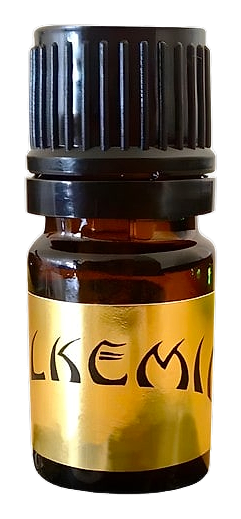
Brands
Brands known for Crocus
Good to know
Questions, answered
The essentials on Crocus in perfumery: how it smells, where it comes from, and how it behaves on skin.
What is the difference between saffron and crocus in perfumery?
Saffron refers to the culinary spice derived from Crocus sativus stigmas. In perfumery, the same botanical material is called crocus or saffron absolute. Both contain safranal, the compound responsible for the characteristic warm, spicy aroma.
What extraction method captures crocus best?
Solvent extraction produces saffron absolute, which preserves the full aromatic complexity of the stigmas. Supercritical CO2 extraction yields a cleaner, more natural-smelling material often preferred for high-end formulations.
Why is crocus so expensive as a fragrance ingredient?
Each crocus flower produces only three stigmas, which must be hand-harvested within days of blooming. The plant is triploid and cannot reproduce sexually, requiring human propagation of every corm. This makes crocus one of the most labor-intensive natural materials in perfumery.
What does crocus smell like in a fragrance?
Crocus absolute presents warm, honeyed, and hay-like qualities with spice and a subtle animalic depth. In compositions, it adds richness to amber, oriental, and chypre structures, often functioning as a bridge between floral and resinous notes.
Where does crocus grow and what climate does it need?
Crocus sativus thrives in the Mediterranean climate zone, from Greece and Spain to Iran and Kashmir. It requires cold winters and dry summers, with soil that drains freely. The plant has been cultivated in these regions for over 3,500 years.
How long does the crocus harvest last?
The harvest window spans just one to two weeks each autumn. Flowers open briefly, and stigmas must be picked immediately before they wilt. Timing is critical, and bad weather during this window can significantly reduce the season's yield.
Is synthetic crocus available for perfumery?
Synthetic safranal exists and offers a cost-effective alternative to natural saffron absolute. However, natural crocus absolute retains complexity that synthetics have not fully replicated, particularly in drydown performance and nuanced aromatic layers.
Can crocus be combined with other floral notes?
Crocus pairs naturally with rose, jasmine, and iris, complementing their floralcy while adding warmth and spice. It works especially well alongside amber and oud materials, where its honeyed character amplifies richness without overwhelming the composition.