Purple Orchid
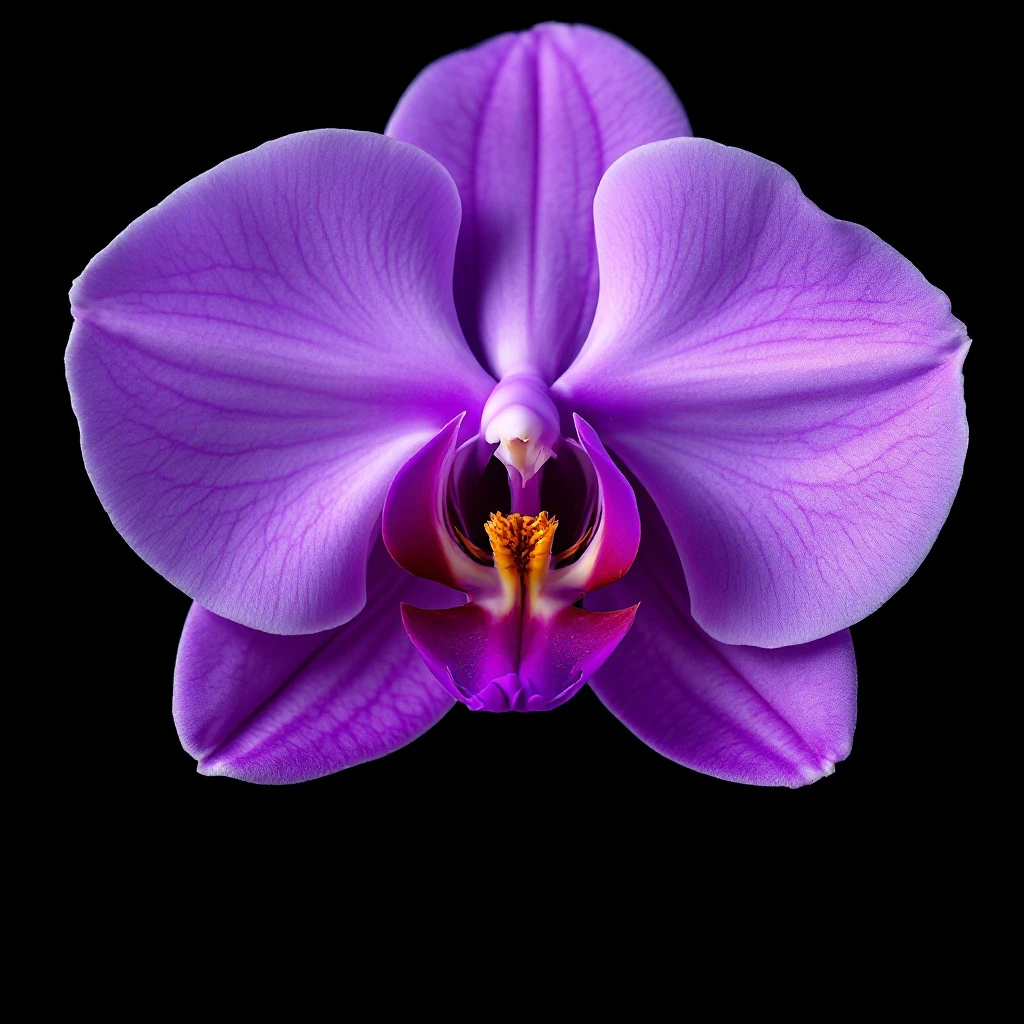
Purple orchid brings an airy, lactonic sweetness to fragrances—delicate floralcy with a translucent quality that floats above the composition. This note captures the orchid's rare elegance.
Character
How it smells
A rare bloom that defies nature's usual rules.
Vanilla comes from an orchid, making the orchid family one of the most economically important botanical sources in fragrance.






Origin
Southeast Asia
Orchids have captivated humans for millennia, appearing in Chinese art and poetry dating back thousands of years as symbols of refinement and elegance. In Western perfumery, orchid notes gained prominence in the early twentieth century as chemists began isolating the aromatic compounds responsible for the flower's distinctive scent.
The vanilla orchid holds particular historical significance—Edmond Albius, a twelve-year-old enslaved boy on Réunion Island, discovered the hand-pollination technique in 1841 that enabled vanilla cultivation worldwide. Today, orchids appear across fragrance families, from delicate florals to modern chypres, though true orchid absolute remains one of the rarest materials a perfumer can work with.
Wears it best
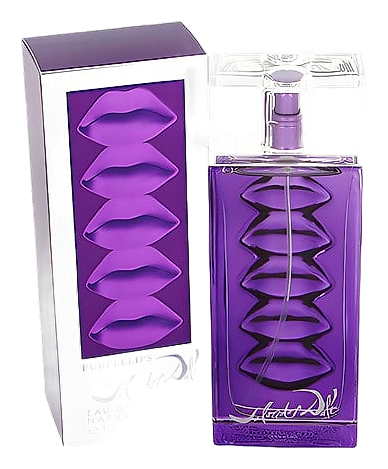
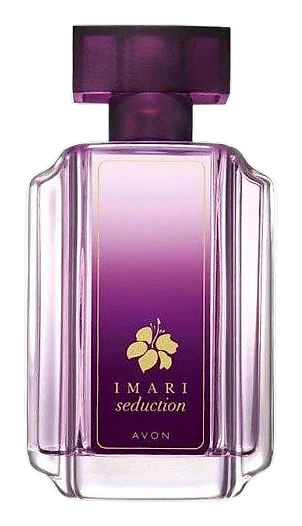
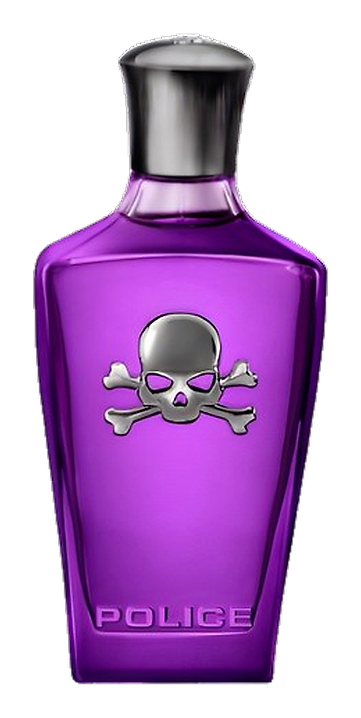
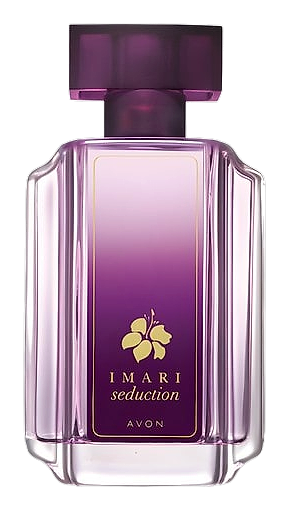
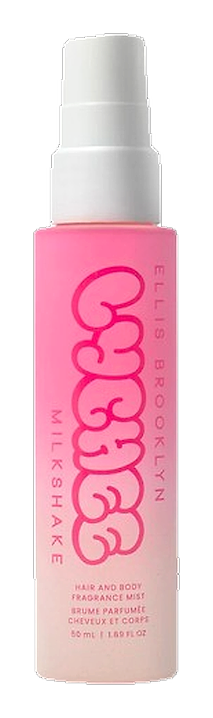
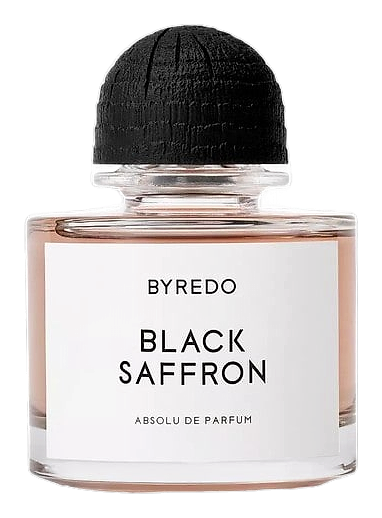
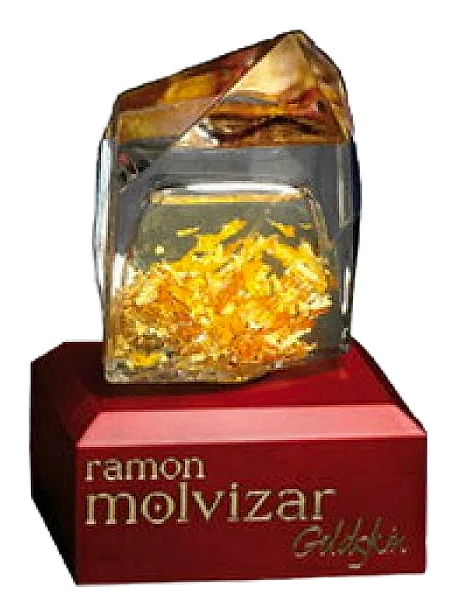
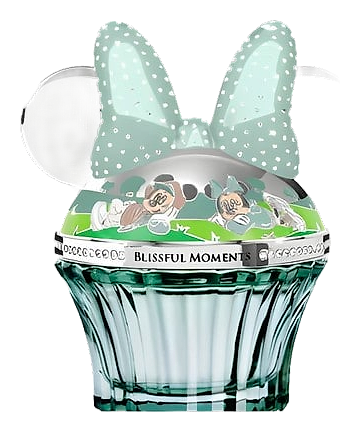
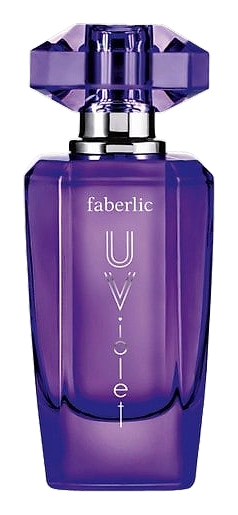
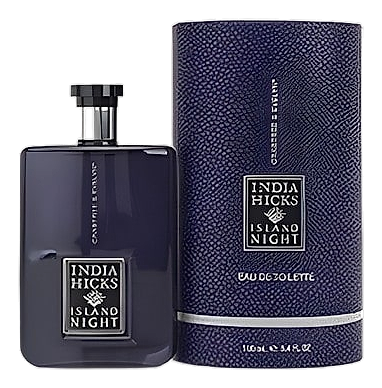
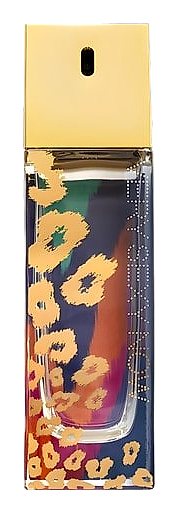
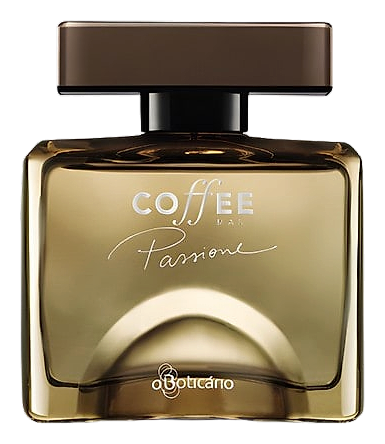
Fragrances featuring Purple Orchid
Brands
Brands known for Purple Orchid
Good to know
Questions, answered
The essentials on Purple Orchid in perfumery: how it smells, where it comes from, and how it behaves on skin.
Is purple orchid a natural or synthetic ingredient?
Both forms exist in modern perfumery. True orchid absolute from solvent extraction is rare and expensive. Most fragrance products use synthetically recreated orchid molecules like heliotropin and specific ionones to achieve the note consistently.
What does purple orchid smell like?
Purple orchid offers a delicate, powdery-floral scent with lactonic sweetness and translucent qualities. It reads as softer and more ethereal than many florals, adding an airy elegance without heaviness.
Where do orchid fragrance materials originate?
Southeast Asia and equatorial regions host the greatest orchid diversity. The vanilla orchid (Vanilla planifolia) originates from southeastern Mexico, where Indigenous peoples first cultivated it.
Where does orchid appear in fragrance pyramids?
Orchid functions primarily as a heart or middle note. Its delicate character means it blends well with other florals while contributing unique transparency to the fragrance's core.
How long have orchids been used in perfumery?
Orchids entered Western perfumery in the early twentieth century when aroma chemistry advanced. The vanilla orchid has been utilized since the 1840s following Edmond Albius's hand-pollination discovery.
What makes orchid note distinctive?
Orchid provides a rare combination of sweetness and transparency that few natural materials match. Its powdery-floral character creates an impression of delicate elegance rather than bold floral presence.
Can orchid replace other florals in a composition?
Orchid works as a bridging ingredient rather than a direct substitute. It softens transitions between floral families and adds ethereal quality that enhances surrounding notes.
Which fragrance families commonly feature orchid?
Floral, oriental, and modern chypre compositions most frequently incorporate orchid. It appears in both women's and unisex fragrances, particularly in contemporary luxury perfumery.





