The Story
Why it exists.
The beginning
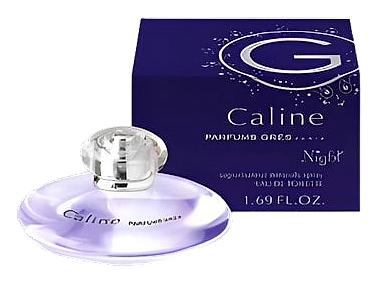
Caline Night arrived in 2006 as a limited edition from Grès, the Parisian fashion house better known for Cabochard, that iconic 1959 chypre that still commands respect in any conversation about leather-and-smoke fragrances. Thierry Wasser created this one, working within the Grès lineage but heading somewhere softer, sweeter, more inviting. The name says it all: "caline" suggests warmth, intimacy, the kind of embrace that doesn't demand attention. Night shifts it into evening territory, something to wear when the rules ease up and the lighting goes low.
What makes the structure interesting is how the gourmand notes never fully take over. Praline, sugared nuts, caramelized hazelnut, sits at the heart, but patchouli anchors it from below with that earthy, slightly dirty signature that prevents the whole thing from reading as mere confection. It's the same patchouli that gives Cabochard its backbone, but here it's been tamed, softened, made companionable rather than confrontational. The result is a fragrance that smells expensive without trying too hard, the olfactory equivalent of cashmere.
The evolution
Apple and mandarin open together, crisp, clean, with that citrus-bright quality that signals a fresh start. Fifteen minutes in, the plum emerges, rounder and darker, as the apple sweetness deepens into something more succulent. Then praline arrives, and this is where the fragrance makes its argument: not as sugar-bomb but as warm, nutty, sophisticated sweetness. Patchouli arrives last, not as a surprise but as confirmation, the earthy note that was waiting underneath the whole time. By the fourth hour, you're left with vanilla and sandalwood, soft and close, the kind of drydown that lingers on fabric into the next day.
Cultural impact
Caline Night never achieved the cult status of Cabochard, but among those who know it, the appreciation runs deep. The limited-edition status from 2006 means it trades more on secondary markets than retail shelves, a mark of distinction for collectors who value what others have overlooked. The composition reflects its era: fruity-gourmand with a woody base, the sensibility of the mid-2000s before the oud boom shifted attention toward darker territories. What keeps it relevant is the restraint, patchouli as a grounding element rather than a statement, praline that doesn't scream for attention. It's the fragrance equivalent of the guest who arrives quietly and leaves an impression.