The Story
Why it exists.
The beginning
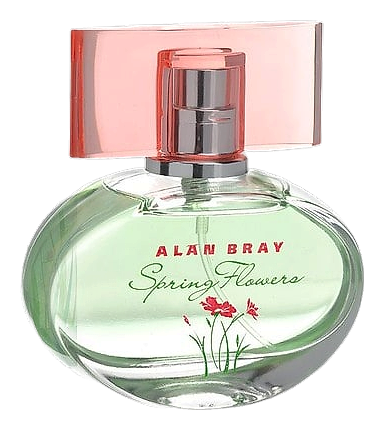
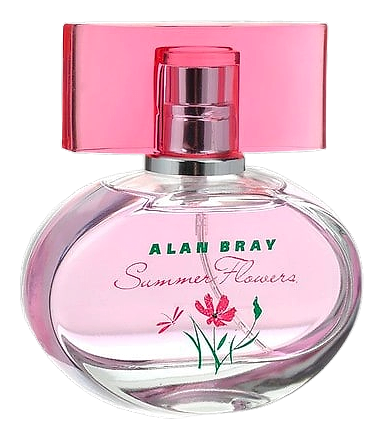
Summer Flowers arrived in 2013, a year that also saw Spring Flowers enter Alan Bray's growing catalogue. The house had been steadily building a body of compositions since its debut, gathering attention for gourmand-leaning and unconventional work, so when Summer Flowers arrived, it read as a quiet pivot, a deliberate step toward something more classical. The composition goes back to basics: no exotic spices, no geographic storytelling, just freesia, heliotrope, Bulgarian rose, and jasmine over a cedar base. Clean materials, no tricks. There's a transparency here that lets each flower speak in turn, the freesia opening cool and green before the heart warms into rose and jasmine, and finally the cedar settling everything into something soft and grounded.
What's interesting here is the heliotrope, which does most of the heavy lifting. It's a note people either know intimately or not at all, and in Summer Flowers it sits up front, giving the composition its powdery, almost almond-hint character before the rose and jasmine ever arrive. The heliotrope carries a soapy, almond-milk softness that lingers at the edges of the scent, a quiet sweetness that never crosses into sugary territory.
The evolution
The first ten minutes belong to freesia and heliotrope, and they don't negotiate. There's a clean, soapy quality here, almost like wet cotton, and the powder comes through fast, giving the scent a face-powder, vintage-lingerie feel before anything else has a chance to register. The two notes weave together into something that reads both fresh and familiar, a scent that seems to remember itself. Within half an hour the freesia recedes and the heart takes shape: Bulgarian rose opens up properly, the jasmine adds its warm, slightly tropical hum, and the whole thing settles into something that feels creamy without cream. The rose carries a soft, almost translucent quality, never heavy or syrupy, while the jasmine hums underneath like a low note on a piano. Around the three-hour mark, the florals begin to thin.
Cultural impact
Summer Flowers sits at a quieter end of Alan Bray's catalogue, an easy-wearing white floral that doesn't demand attention but rewards a second look. The composition is built for softness, the kind of scent that becomes more interesting the longer you wear it. Fragrantica's when-to-wear data points to summer and spring as its strongest seasons, with day wear rating highest and fall trailing behind, making it a natural fit for warmer months and brighter hours. Among the limited community feedback available, the heliotrope-powder character tends to define how the fragrance is received.