The Story
Why it exists.
The beginning
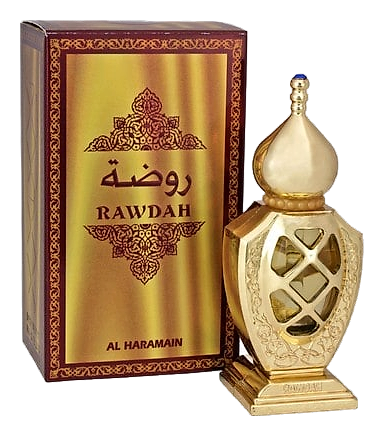
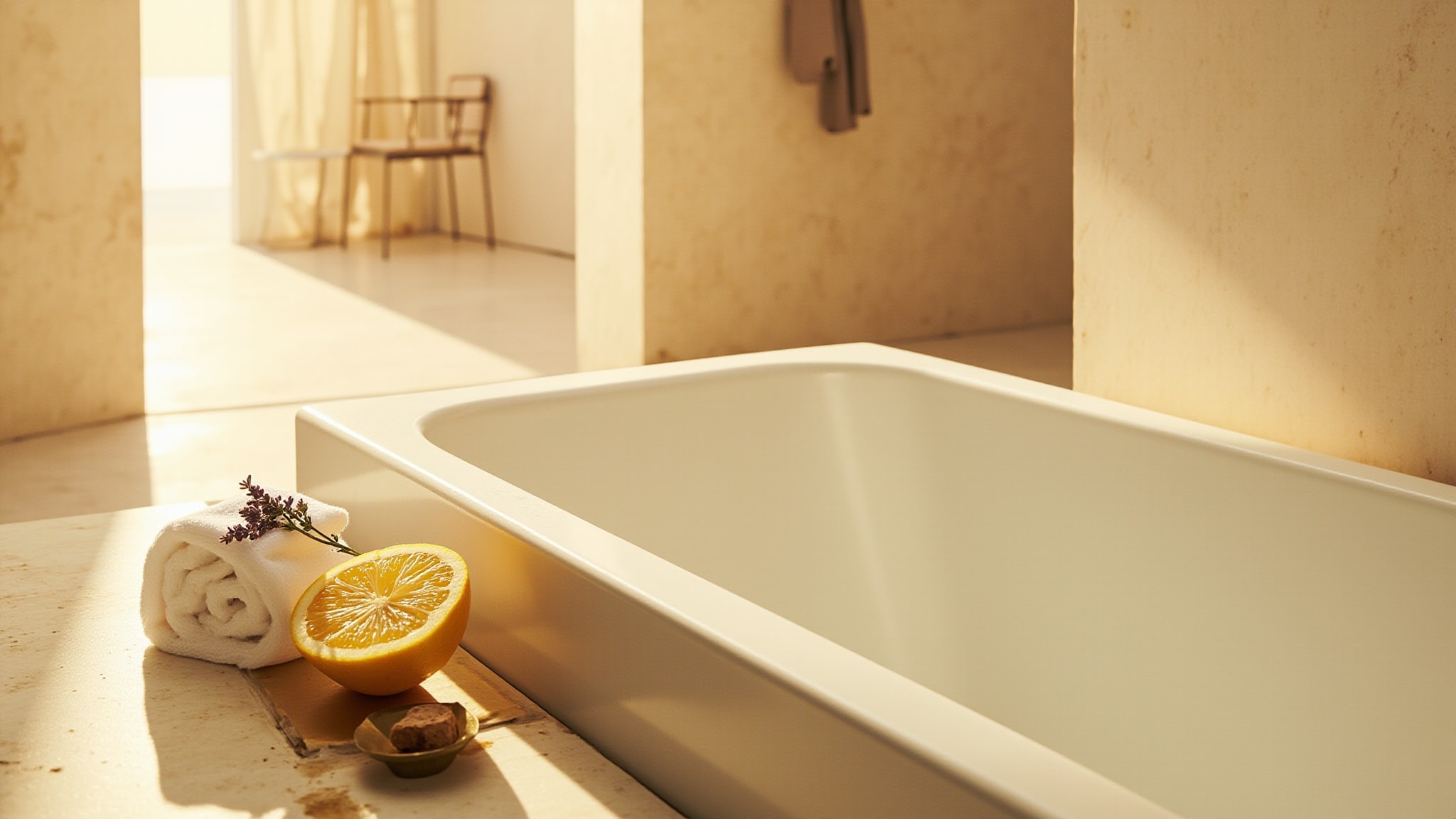
Rawdah is Arabic for garden, and that image runs through the whole composition like a current. Al Haramain built this one around a clean collision: European freshness up top, Arabian depth underneath. Lavender, lemon, and mandarin set a bright, almost Mediterranean mood. The opening has that lifted, sun-on-stone quality, the kind of brightness you get from a cold-press of citrus peel, and the lavender weaves through it with a cool, herbal softness. Then coriander cuts through with a green, slightly soapy edge, and the transition feels deliberate, like watching a landscape shift from noon to dusk. The base lands in territory the house knows well: sandalwood, patchouli, musk, and oud. It's not a loud oud. Not the kind that fills a room or demands silence.
What's interesting here is how Al Haramain handled the transition. Most oriental houses open with oud or rose and build outward. Rawdah inverts that. The top notes do the heavy lifting for the first 20 minutes, bright and almost Western in their approach, before the base takes over. That structure makes it wearable for someone who'd never buy a traditional attar. It's a bridge scent, made for the person who wants the depth of Arabian perfumery without the commitment to its intensity. The coriander in the middle is the hinge. It connects the citrus to the wood without going through the usual floral bridges (rose, jasmine, saffron). That choice keeps it clean, slightly herbal, and grounded.
The evolution
The first 15 minutes are all lavender and lemon, almost bracingly clean, like stepping into a sunlit room with the windows just thrown open. The mandarin softens the edges, adds a sweetness that keeps it from feeling clinical. Around the 20-minute mark, coriander arrives, and that's where the scent stops being a fresh cologne and starts becoming something else. It's green, slightly spicy, with a faint soapy quality that makes the whole thing feel freshly laundered in a way no other note quite achieves. By the 45-minute mark, the base starts asserting itself. Sandalwood comes in first, creamy and quiet, followed by patchouli that adds a dry earthiness without tipping into hippie territory. Then the oud, and this is the part worth noting: the oud here is restrained. It's not smoky or barnyard or animalic. It's clean, almost woody-sweet, the kind of oud that reads as depth rather than statement. From hour 3 onward, you're in musk territory. The whole composition settles into a skin-scent that's warm, slightly sweet, and unmistakably woody.
Cultural impact
Rawdah occupies a specific lane in the Al Haramain catalog: the entry point. It's the fragrance people reach for when they want something wearable without committing to the heavier amber-oud flank the house is known for. The combination of lavender, coriander, and oud gives it a profile that reads clean on first contact but keeps unfolding through the drydown, which makes it versatile across seasons and settings. The citrus top keeps it lifted in warmer weather, while the woody base gives it enough weight to hold up in cooler air. On skin, it behaves like a steady companion rather than a statement piece.