
The Story
Why it exists.
The beginning
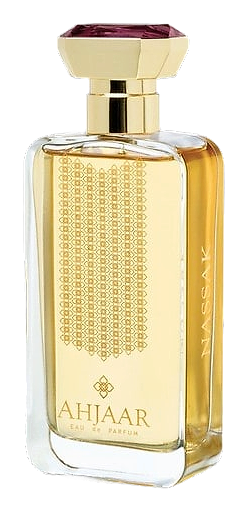
Nassak entered the world in 2014 as one of several fragrances launched by Ahjaar, a niche label connected to Paris Gallery and French perfumery. The debut lineup gave each scent its own visual identity, and Nassak sits within that group as an oriental vanilla composition. It leans into spice-and-sugar territory, a direction that gives the fragrance its distinct character. Paris Gallery, with its reach as a luxury fragrance retailer, served as the launch platform, putting the entire debut collection in front of consumers from the start. The oriental vanilla classification places Nassak in conversation with some of the warmer, sweeter corners of the niche world, where resinous materials and gourmand accents tend to overlap.
What makes Nassak distinctive within the collection is how aggressively it leans into anise and licorice, two notes that share the stage with unusual directness. Here, star anise stays rather than passing through as a brief accent. It sits in the composition, propped up by bergamot brightness and the dusty sweetness of tobacco leaf. The tolu balsam in the opening adds a vanillic warmth that softens the herbal edges, while osmanthus lends its leathery, apricot-skin quality before the rosewood base takes over.
The evolution
The first thirty minutes belong to the spices. Ginger snaps bright against tolu balsam's warm, almost caramelic sweetness, while patchouli grounds the opening in something earthy. Then the anise arrives, and it doesn't politely introduce itself. It takes over, that black licorice intensity softening slowly as bergamot and mandarin lift the edges into something almost citrusy. The tobacco shows up halfway through, dry and slightly dusty, and the licorice starts to sweeten into something closer to the candy aisle than the apothecary. By hour three, the sugar note is doing real work, rounding everything into a warm, ambered haze. The rosewood settles underneath, woody and faintly creamy, and the drydown holds close to skin. The licorice mellows considerably in the later stages, leaving behind a residual sweetness that blends with the wood base.
Cultural impact
Nassak occupies an interesting corner of the oriental niche category, leaning heavily into anise and licorice in a way that sets it apart from more conventional oriental offerings. The anise gives the composition a sweet, almost candy-like quality that runs from the opening through the heart, while the licorice deepens that sweetness with a darker, more complex edge. Bergamot and mandarin brighten the top notes just enough to keep the composition feeling alive, and the tobacco leaf adds a dry, slightly smoky thread that keeps the sweetness in check.