The Story
Why it exists.
The beginning
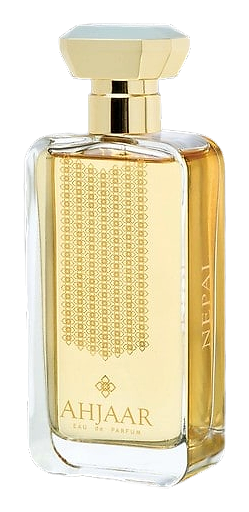
Nepal arrives with a premise built on what the fragrance withholds rather than what it offers. The composition is stripped to three notes, and that austerity becomes the point. There is no bright bergamot to lift the entrance, no vanilla or amber wrapping around the drydown to soften the edges, no saffron catching the light. What remains is rose, patchouli, and agarwood, arranged in a way that treats the flower less like decoration and more like a structure. The rose here doesn't behave like a petal at all. It reads dense, resinous, and bound to the layer of earth beneath it, closer to incense than to something freshly cut or still growing in a garden.
What's worth noting about Nepal is what it leaves out. Three notes. Rose on top, patchouli in the middle, oud at the base. No bergamot to brighten the entrance, no vanilla or amber to sweeten the drydown, no saffron or spice to add shimmer. That restraint is the composition itself, and it does a kind of work that busier fragrances often skip. The patchouli carries genuine weight as connective tissue between the flower and the wood.
The evolution
The opening brings rose almost immediately, but not the bright dewy variety. This particular rose carries shadow in it from the first spray, as though the patchouli has been there all along pulling at the edges. There is no fresh top note to exhale through, no citrus or green lift that might suggest a garden. What arrives instead is a floral note already weighted, already grounded, pitched forward but unmistakably earthen. The composition moves into its middle phase where the patchouli takes on more visible presence. The rose doesn't vanish, but it steps back slightly, and what moves into the foreground is a damp, mineral earthiness with the texture of warm stone after rain. This is where the fragrance becomes something more specific than just rose-oud. The flower recedes enough that the structure underneath becomes audible. In the later phase, the agarwood settles into place.
Cultural impact
Nepal's three-note composition is both its clearest identity and the trait that tends to polarize. The structure feels intentional rather than reduced. Wearers who prefer focused compositions often describe it as architectural, shaped like a small fortress of materials where each wall holds its own weight. Others find the same simplicity reads as either complete or limited depending on what they want from a rose fragrance. The composition seems designed for the wearer who wants their rose to come with gravity rather than sweetness, who doesn't require a dozen supporting notes to feel the architecture is finished.