The Story
Why it exists.
The beginning
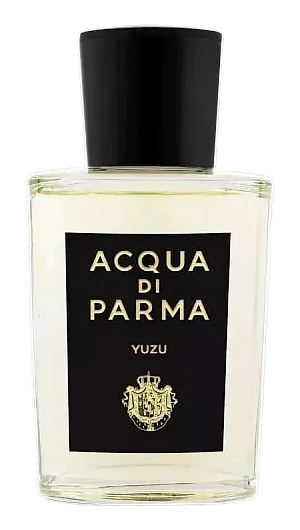
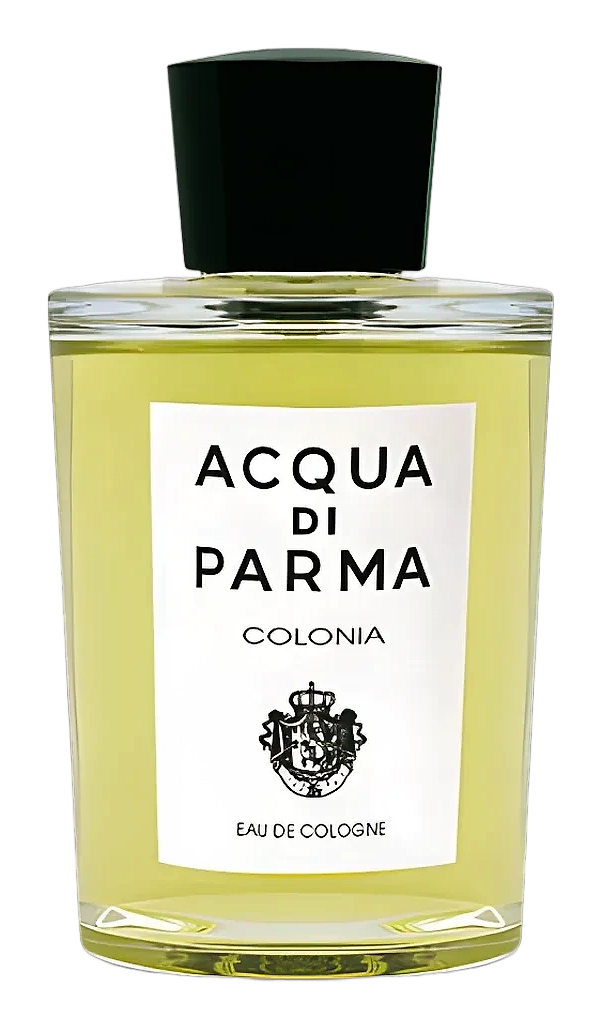
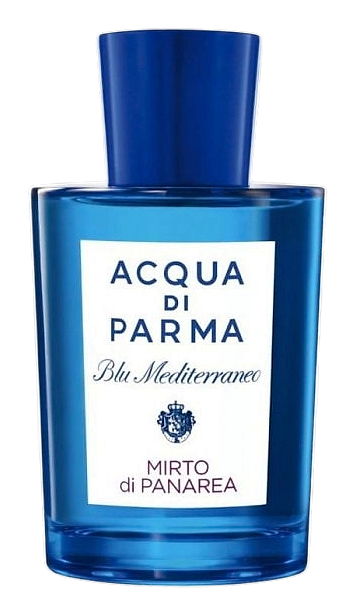
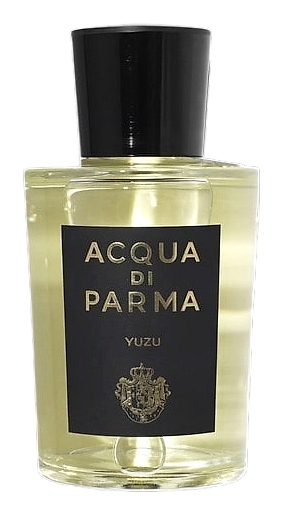
Yuzu is the rarest Japanese citrus, one that many perfumers have attempted to capture in fragrance form. Acqua di Parma's Signatures of the Sun collection focuses on distinctive ingredients, each presented through a Mediterranean perspective. The house took on yuzu with the intention of honoring its complex nature. Sichuan pepper became the bridge, sharp enough to echo the yuzu's natural astringency, warm enough to guide it somewhere new. The result is a fragrance that respects the fruit's character while offering something distinctly Mediterranean in its construction.
The heart of Yuzu rests on lotus and mimosa, a pairing that gives the fragrance its distinctive character. Lotus brings an aquatic quality with subtle bitter undertones, echoing yuzu's own sour-fresh profile. Mimosa adds a powdery sweetness that softens without diluting. Together they create a white floral complexity that adds depth to the composition. The Sichuan pepper performs a specific function, extending the citrus phase and giving the florals room to emerge gradually. That deliberate construction is what separates a thoughtful composition from a notes list.
The evolution
Minute one is all yuzu and Calabrian bergamot. The bergamot arrives first, but yuzu cuts through it immediately, sour, bright, and distinctly citrus. Sichuan pepper enters and reshapes the citrus into something warmer, a bridge that extends the citrus phase before the florals arrive. Then jasmine takes over, and this is where opinions split. The florals don't whisper, they arrive with intention, and for some wearers that floral dominance reads as too feminine, too sweet. The sandalwood and musk in the base eventually stabilize everything, adding warmth and skin-proximity that softens the jasmine, but the drydown is never truly dry. It lingers close, intimate, clean skin and something quiet.
Cultural impact
Yuzu occupies a specific position in the citrus fragrance landscape. The fragrance invites discovery, presenting yuzu in a context that feels both familiar and distinctly European. It speaks to those who appreciate Japanese-inspired ingredients, translated through European craftsmanship.