
The Story
Why it exists.
The beginning
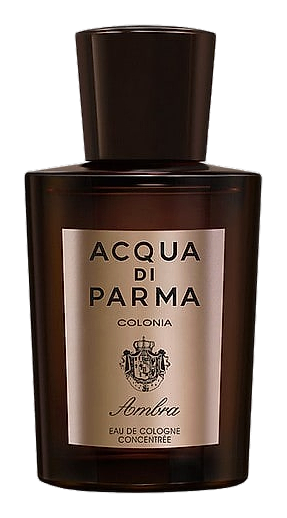
Colonia Ambra arrived in 2015 as part of Acqua di Parma's Ingredient Collection, a line dedicated to singular raw materials and what they can become in the hands of a skilled perfumer. François Demachy chose ambergris. Not as a supporting note, not as a whisper in the base, but as the whole point. The brief was simple: take the house's signature citrus structure and find out what happens when you build something warm, animalic, and deeply textured underneath it. The result is a cologne that begins in the Acqua di Parma tradition and then goes somewhere else. The ambergris here is bold and unapologetic. It brings an almost tangible depth to the composition, a quality that sets this fragrance apart from the house's lighter, brighter offerings.
The unusual move here is the marine quality of the ambergris itself. Alongside the ambergris sits nagarmotha, a dark, earthy material that adds a smoky, tar-like undertone. Virginia cedar and patchouli anchor the heart with a woody dryness. Sandalwood and vanilla keep the base warm without tipping into sweetness. Rose adds a subtle floral lift that keeps everything from getting too heavy.
The evolution
The opening hits with immediate citrus clarity. Bergamot and petitgrain arrive clean and bright. Orange builds underneath, giving the first minutes a sunny Mediterranean quality that anyone familiar with the house will recognize. This is the Acqua di Parma signature. As the citrus begins to recede, cedar takes over, with patchouli following close behind. The combination is dry and woody, with a subtle green edge. The rose in the heart is subtle, more of a textural element than a floral statement. It keeps the wood from becoming harsh. Then the ambergris arrives, bringing with it that mineral, almost marine depth. Sandalwood and vanilla give it warmth. Musk keeps it close to skin. The drydown is warm and resinous and intimate. It stays with you.
Cultural impact
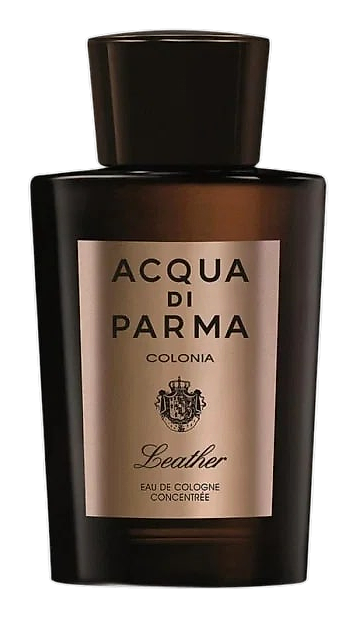
Colonia Ambra stands apart in the Acqua di Parma collection. Where other flankers lean into wood, oud, or leather, this one reaches for something more animalic and more rare: the depth of ambergris. For those who want something that honors the house's citrus heritage while going somewhere warmer, this is the one. The ambergris note gives this cologne a character that feels distinct within the brand's lineup. It's warmer than the classic Colonia, deeper than the typical citrus interpretations, and more assertive in its use of an ingredient that most houses use sparingly.