
The Story
Why it exists.
The beginning
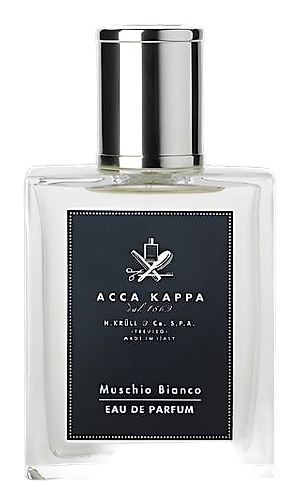
White Moss arrived in 1997 as Acca Kappa's answer to something harder to name than a trend. The house had spent over a century building hairbrushes and combs in Treviso, learning that quality meant letting the materials speak, that restraint was its own form of confidence. The fragrance came from that same instinct. Not a statement. Not a declaration. A quiet conviction, bottled. The name itself is the concept: white moss, the kind that grows on old stone in the Veneto hills, soft and understated and everywhere if you know what you're looking for. Italian summer, its light and its particular stillness, translated into something you could wear to work and still recognize yourself in later.
What makes the structure interesting is the aldehydes. Not loud aldehydes, not the Chanel No. 5 kind that announce themselves from across the room. These are clean aldehydes, the kind that add a soapy quality without the powdeDrydownr. They lift the lavender into something that reads as fresh rather than medicinal, and they keep the whole composition from going heavy when the cedar and amber arrive. The moss note gives it name and character, but the aldehydes give it wearability. That's the balance Acca Kappa was after: distinctive without being difficult, clean without being clinical.
The evolution
It opens bright. Lemon, bergamot, juniper, the citrus stack hits first and clean, exactly what you'd expect from something called White Moss. No surprise there. The juniper hangs around longest, maybe twenty minutes, before the lavender takes over and the aldehydes start to show. That's when the soap reads most clearly. Clean, slightly powdery, the kind of lavender that smells like morning rather than old closets. The woody notes and cardamom arrive together around the forty-minute mark, and the composition shifts from fresh to warm. Cedar shows up more than the other woods, a dry woodiness that keeps the sweetness from building. The moss is present throughout but never heavy, it reads as freshness more than earth. By hour two, the musk and amber are running the show, and the whole thing settles into something close to skin. Moderate sillage means it stays intimate, which is exactly right for this fragrance.
Cultural impact
White Moss reflects a broader movement in Italian perfumery toward restrained, sophisticated scents that reject the performative intensity of many modern fragrances. Acca Kappa, founded in 1869 in Treviso, built its reputation on understated elegance, and this scent embodies that philosophy. The fragrance gained particular traction among those who find most designer fragrances too loud or synthetic. Its emphasis on fresh citruses and clean white musk aligns with Mediterranean olfactory preferences, where lightness and clarity take precedence over richness and projection. The scent has become a quiet favorite in professional settings and warm-weather wardrobes, resonating with wearers who want presence without announcement.