The Story
Why it exists.
The beginning
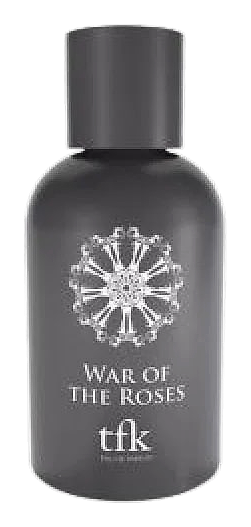
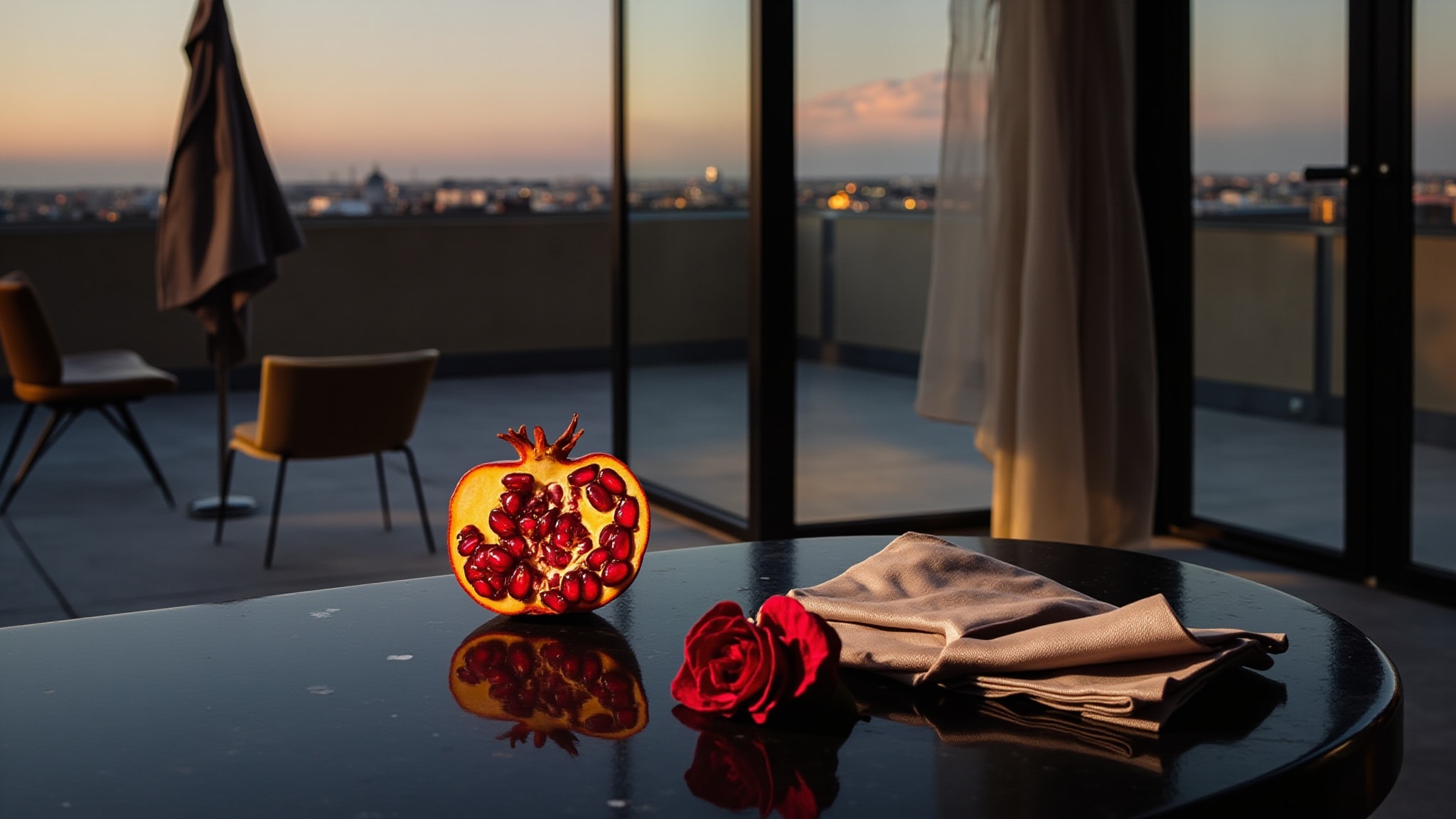
The Fragrance Kitchen launched in 2012 with a clear mandate: honor the aromatic heritage of the Gulf while mastering French technique. War of the Roses emerged as a statement of that dual identity, named after a contradiction. Not actual warfare but the ancient tension within a single flower, roses are beautiful, yes, but armored in thorns. The perfumer built this around that paradox: saffron and orange open sharp and citrus-bright, like two forces testing boundaries. The rose enters not as a compromise but as the resolution. Warm, powdery, deliberate. The fragrance doesn't choose between tenderness and strength. It holds both.
What makes War of the Roses interesting is how the base refuses to let the rose win quietly. Most rose fragrances fade into softness at the end. This one lingers with amber, musk, and sandalwood, a warm, creamy foundation that pushes back against the powdery floral heart instead of surrendering to it. The contradiction is structural, not cosmetic. The spicy opening and warm drydown shouldn't coexist this naturally. They do.
The evolution
The opening announces itself with saffron's metallic spice and orange's sharp citrus, a bright, almost medicinal brightness that doesn't apologize for arriving first. Thirty minutes in, the rose takes over. Not a gentle bloom but a deliberate one, cushioned by lily of the valley's cool green floral. The powdery quality builds here, becoming the fragrance's defining character. By the second hour, the handoff begins. Amber arrives warm and resinous. Sandalwood brings its creamy, slightly woodsy warmth. The rose doesn't disappear, it deepens, settling into the base rather than fading from it. The drydown becomes intimate, close to the skin, the kind of scent someone leans in to catch. Musk extends everything that came before it. This one lasts into the evening. Worn on skin, it lingers on fabric the next morning, that powdery warmth still there, stubborn, warm, unwilling to fully leave.
Cultural impact
War of the Roses arrived in 2012 as The Fragrance Kitchen's debut unisex statement, positioning itself between Eastern and Western fragrance traditions from the start. Spicy, floral, powdery, leathery, these accords give it a range that few fragrances in its category can claim. The rose isn't decorative. It argues.