The Story
Why it exists.
The beginning
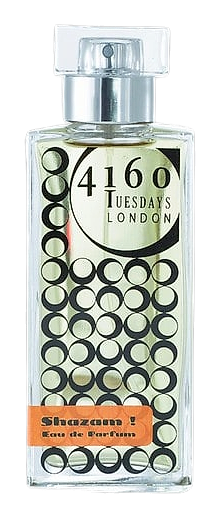
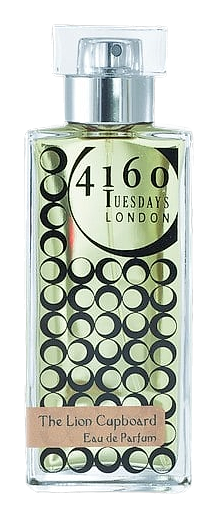
The Lion Cupboard arrives in 2013, named for the comforting weight of Victorian oak furniture, a sideboard that held herbs and citrus and years of sitting room evenings. Sarah McCartney built this one from that image: the idea of something familiar, wood-paneled, almost dusty with age, but lifted by green brightness underneath. The lion in the name suggests something untamed hiding behind the wardrobe door. The fragrance delivers exactly that, structured on the surface, quietly wild underneath.
The top notes create that opening jolt deliberately. Juniper and mint hit sharp and botanical, almost pharmaceutical in their clarity. But aniseed changes the trajectory, steering toward something herbal and unexpected rather than clean or soapy. Grapefruit adds a flash of citrus brightness that prevents the whole thing from going too dark too fast. This is a composed opening that refuses to be polite. The heart shifts the energy toward wood and spice. Cedar takes over as the dominant force, with black pepper adding a dry, cracked quality. Rose and ylang-ylang introduce a faint sweetness that softens the edges without apologizing for them.
The evolution
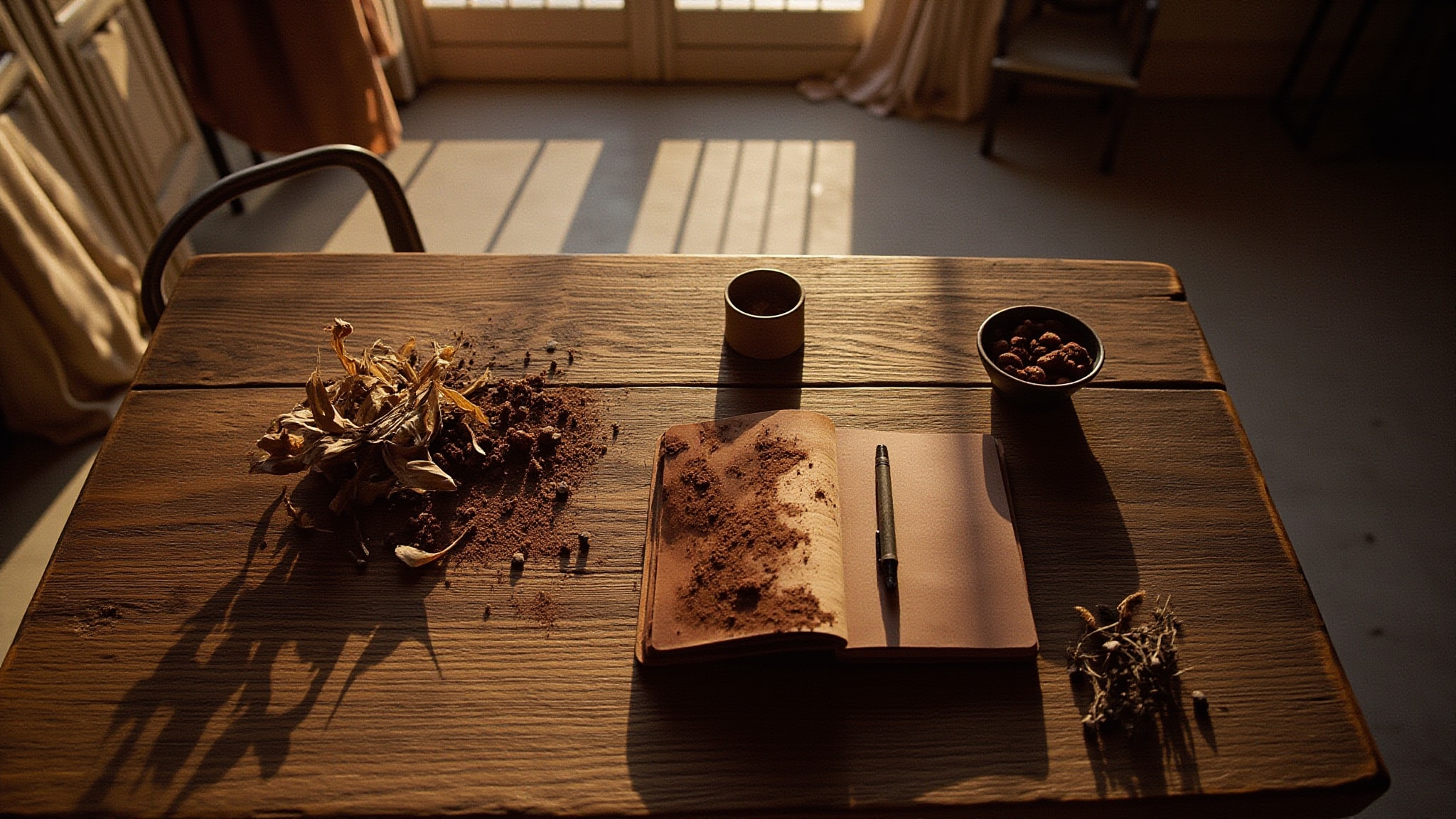
The opening hits like stepping into a cold pantry, juniper, mint, a flash of aniseed cutting through. Grapefruit and lavender add brightness but don't linger. Within the first hour, the top notes begin to recede as cedarwood asserts itself, bringing black pepper and a dry, woody warmth that carries through the heart. The floral elements, rose and ylang-ylang, arrive quietly, tempering the spice without overwhelming it. Then the base notes arrive. Tobacco and cocoa take over, with vetiver grounding everything and vanilla adding a soft, sweet warmth that lingers close to the skin. The drydown is intimate, warm, and lasts for hours. What began as sharp and botanical settles into something that feels worn and comfortable, like a jacket you've owned for years.
Cultural impact
The Lion Cupboard has built a loyal following among wearers who want something that doesn't smooth its edges. People return to it year after year, bottles that last, fans who stay. The fragrance occupies a particular space in the indie and artisan perfumery conversation in the UK and beyond, where McCartney's experimental approach resonates with those seeking unconventional work. It sits alongside other boundary-pushing pieces in the house catalogue, Both Sides of Clouds, Old Sport, each carrying the same spirit of refusal to play it safe. The house's philosophy treats fragrance as something to be made, questioned, and shared rather than simply consumed, and this scent embodies that attitude.