White Poppy
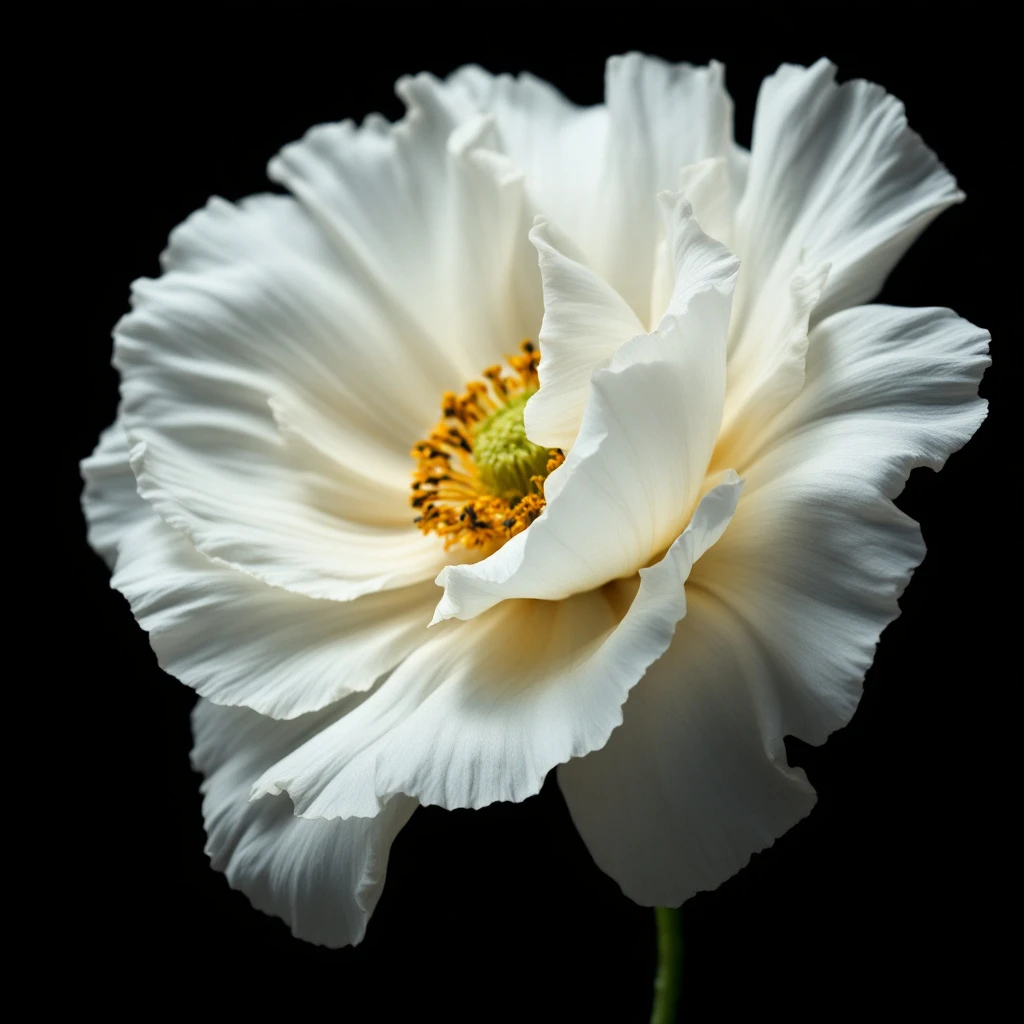
White poppy brings a soft, powdery facet to fragrance, evoking clean linens, dry florals, and a whisper of green seeds. Its subtle nutty undertone lends compositions a hushed, skin-like intimacy.
Character
How it smells
Quiet powder, sun-warmed and fleeting
Unlike its red cousin, white poppies contain no opium alkaloids; perfumers value them purely for their delicate, dry floral impression.



Origin
Mediterranean Basin
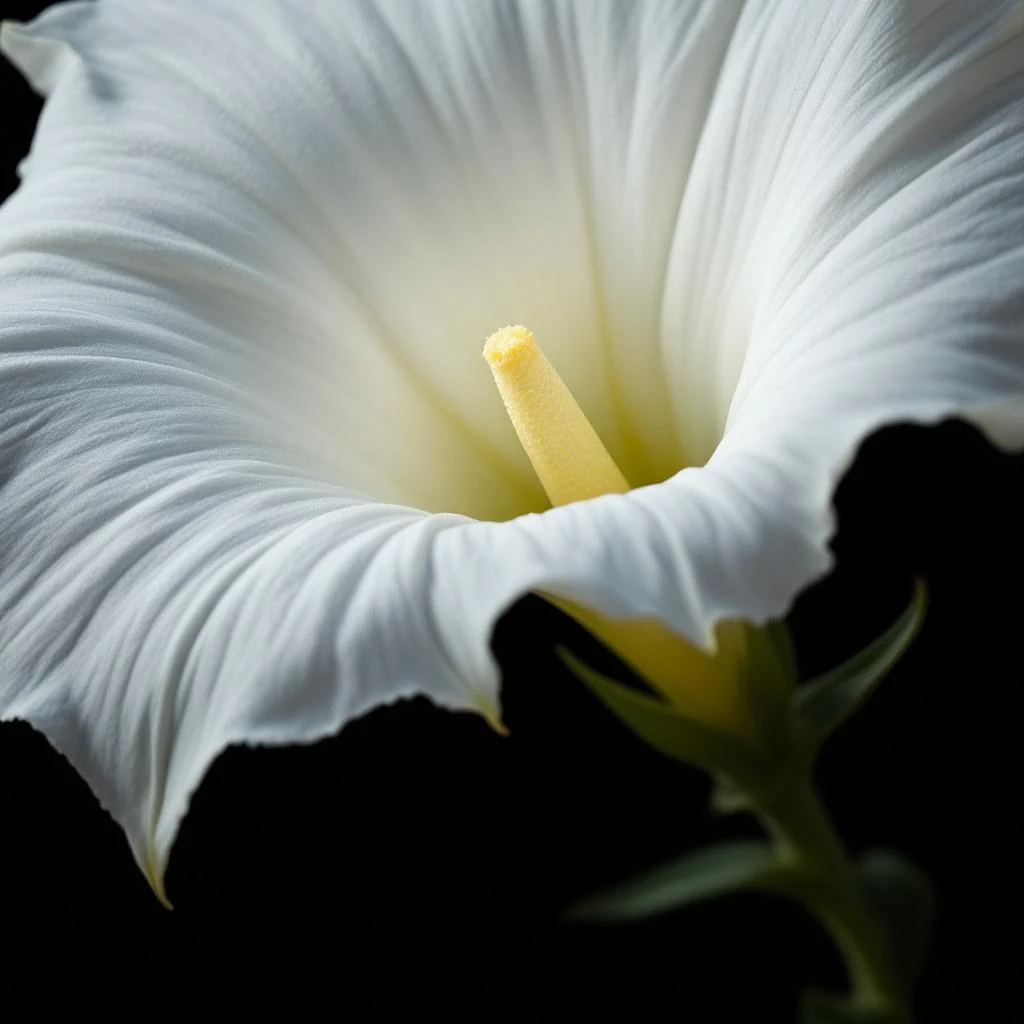
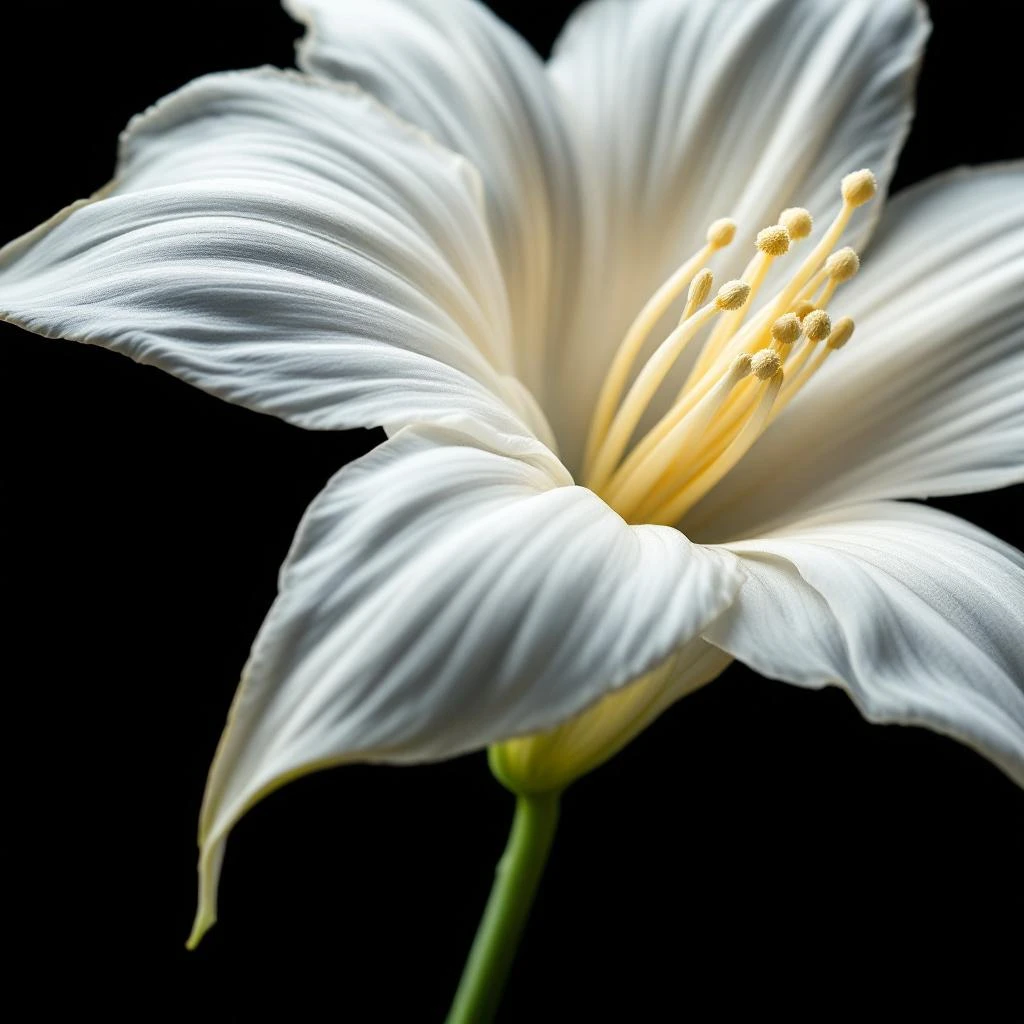
The white poppy, Papaver somniferum album, has been cultivated since Neolithic times across the Mediterranean and Near East, prized primarily for culinary seeds and oil rather than scent. Ancient Sumerians referenced poppy in medicinal texts around 3000 BCE, while Greek and Roman writers noted its sleep-inducing properties. The flower's association with Demeter and Ceres linked it to harvest and quiet remembrance.
White poppies entered the perfumer's palette conceptually during the early 20th century as synthetic aldehydes and powdery accords gained popularity, allowing perfumers to evoke the flower's ghostly, clean impression without relying on scarce natural harvests. Today it appears as a facet in soft floral and gourmand compositions.
Wears it best
Fragrances featuring White Poppy
Brands
Brands known for White Poppy
Good to know
Questions, answered
The essentials on White Poppy in perfumery: how it smells, where it comes from, and how it behaves on skin.
What does white poppy smell like in perfumery?
White poppy reads as a soft, powdery floral with hints of almond, clean linen, and dried seeds. The effect is dry and skin-close, lending compositions a hushed, intimate quality without strong sweetness.
Is white poppy a natural perfume ingredient?
Most white poppy fragrance materials are synthetic reconstructions using aldehydes and musks. True natural extraction yields are extremely low, making isolated natural poppy oil rare and costly in commercial perfumery.
Does white poppy contain opium alkaloids?
No. White poppy varieties are cultivated for culinary seeds and lack the significant alkaloid content of their red or purple relatives. Perfumery use carries no narcotic association or regulatory concern.
What fragrance families use white poppy accords?
White poppy accords appear most often in soft floral, powdery, and gentle gourmand compositions. They also support skin-scent and clean-muscle styles where a translucent floral softness is desired.
How is a white poppy scent created?
Perfumers build the accord by layering soft musks with heliotrope-like aldehydes and nutty trace materials. The combination reproduces the powdery, slightly sweet impression associated with fresh petals.
Where do white poppies originate?
White poppies trace their cultivation history to the Mediterranean and Near East, with archaeological evidence of poppy seeds at Neolithic sites across the region dating back roughly 8,000 years.
Is white poppy used in aromatherapy?
White poppy is not a standard aromatherapy essential oil. Its seed oil appears occasionally in skincare carriers, but aromatherapy applications center on lavender, chamomile, and other distilled botanicals.
Can white poppy cause skin sensitivity?
Synthetic white poppy accords vary by formulation, but most use skin-safe musks and aldehydes at low concentrations. Anyone with sensitive skin should patch test finished fragrances containing powdery floral accords.




