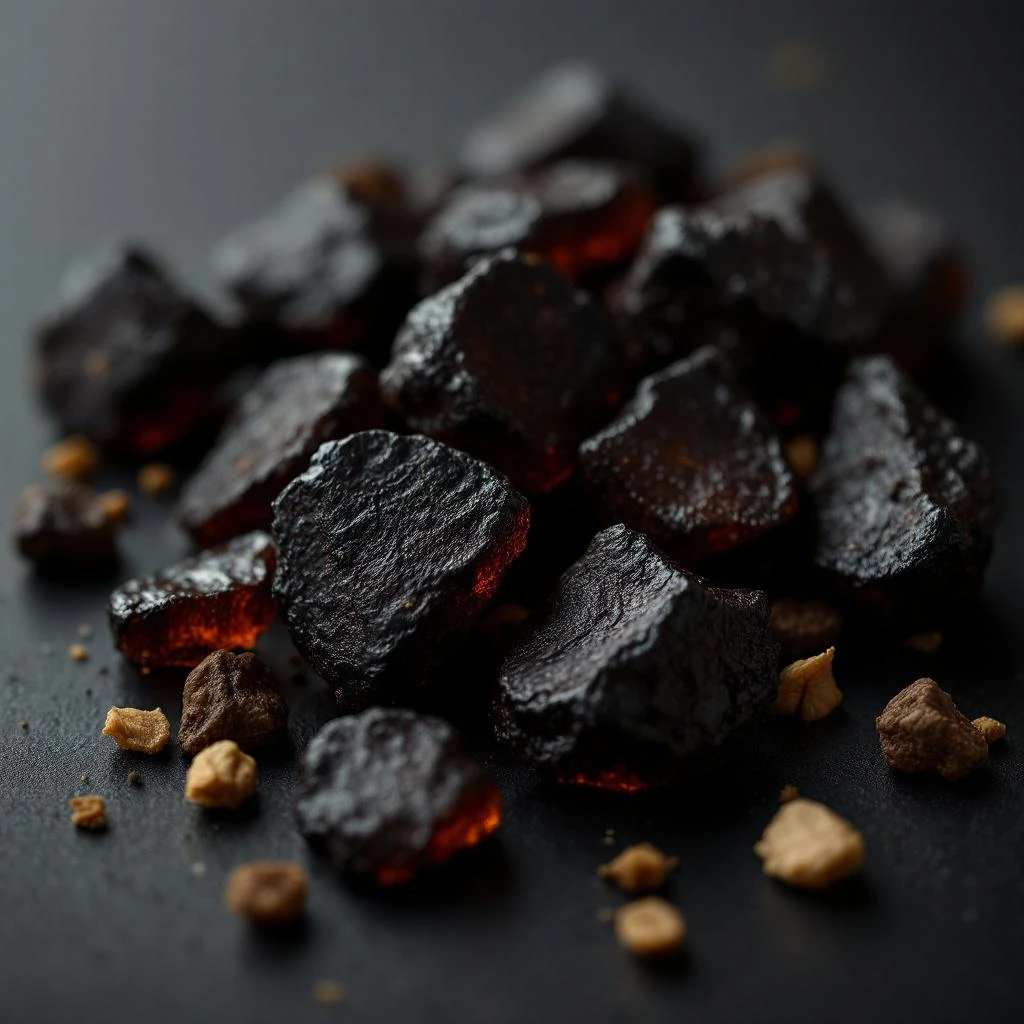
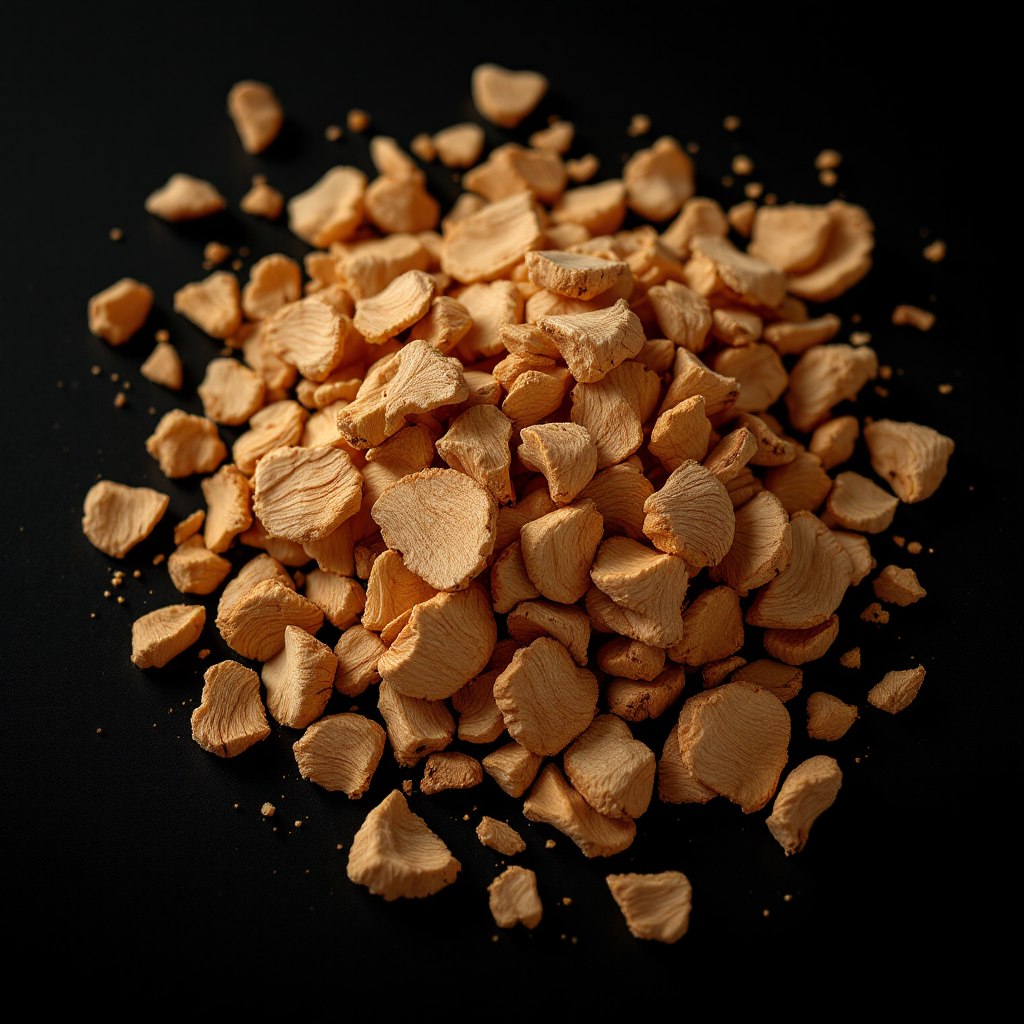
Venezuelan Gaiac Wood
Venezuelan Gaiac Wood delivers a warm, smoky aroma with creamy, vanillic undertones and faint medicinal facets that linger beautifully in the dry-down.
Character
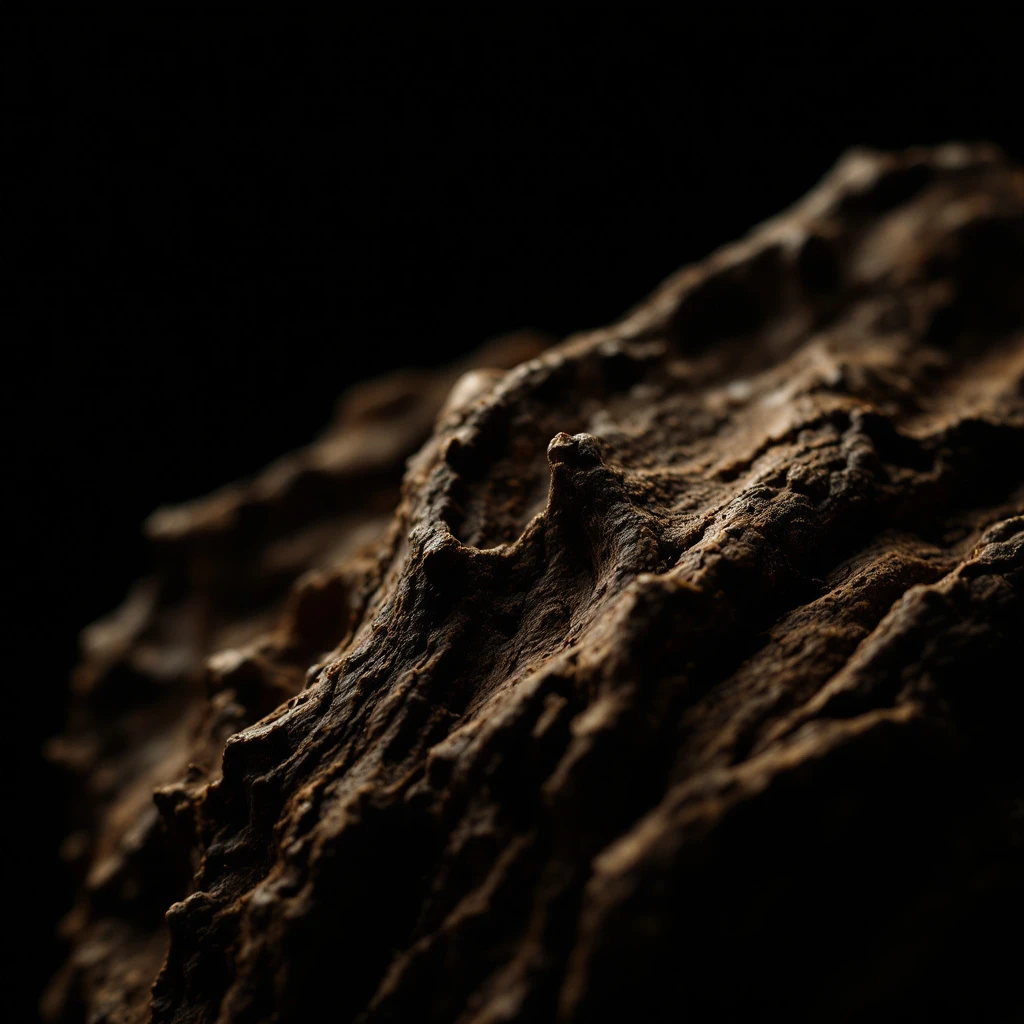
How it smells
Ancient Venezuelan wood, modern perfumery gold.
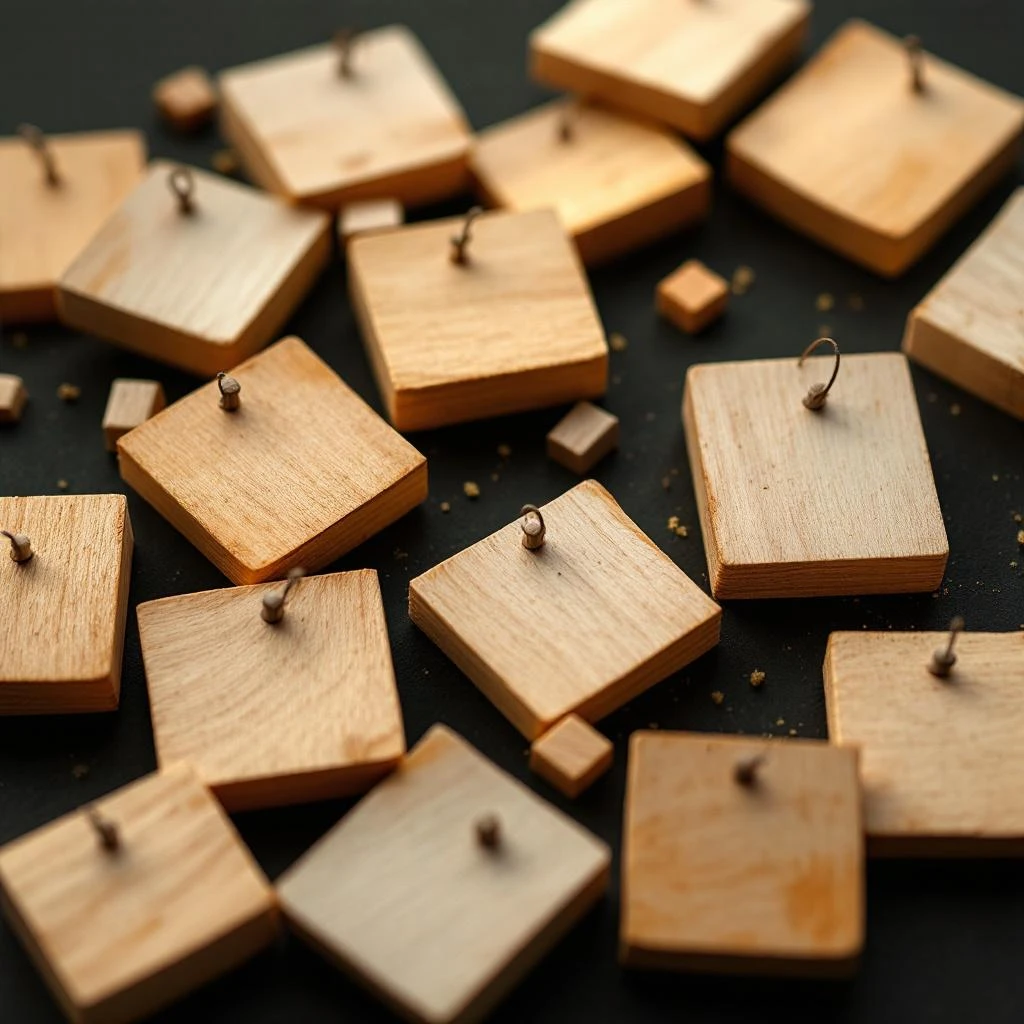
A single 24-hour steam distillation converts humble wood shavings into one of perfumery's most cherished base notes.

Origin
Venezuela
Long before European traders arrived, indigenous communities across the Venezuelan plains recognized Bulnesia sarmientoi as something special. They burned the wood in ceremonial fires and crafted remedies from its resin, understanding its antiseptic and anti-inflammatory properties.
When Spanish colonizers documented the material in the 1500s, they established early trade routes that carried guaiac wood oil throughout the Caribbean and eventually to European apothecaries. By the 19th century, Venezuelan-sourced guaiac had become a standard ingredient in perfumery compounds across Paris and London.
The material survived the synthetic revolution of the 20th century precisely because no laboratory molecule replicated its layered warmth convincingly. Today, Venezuelan guaiac wood remains a cornerstone note in foundations that demand authenticity and longevity.
Wears it best
Fragrances featuring Venezuelan Gaiac Wood
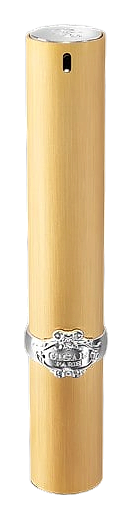
Brands
Brands known for Venezuelan Gaiac Wood
Good to know
Questions, answered
The essentials on Venezuelan Gaiac Wood in perfumery: how it smells, where it comes from, and how it behaves on skin.
What does Venezuelan Gaiac Wood smell like?
Venezuelan Gaiac Wood smells creamy and warm with smoky undertones and a subtle vanilla-like sweetness. Faint medicinal or incense facets appear in the dry-down, creating a layered base note that persists for hours on skin.
How is guaiac wood oil extracted from Venezuelan trees?
Venezuelan guaiac wood undergoes a lengthy 24-hour steam distillation process. Heat forces essential oil from wood shavings and sawdust, and the resulting condensate separates into a viscous amber oil that captures the wood's signature profile.
Which fragrance families pair well with guaiac wood?
Venezuelan guaiac wood integrates naturally into woody, oriental, and fougere compositions. It anchors florals with warmth, deepens citrus openings, and adds smoky complexity to leather and tobacco accords.
What traditional uses did Venezuelan indigenous communities have for this material?
Indigenous peoples of the Venezuelan plains used guaiac wood in ceremonial fires and as a medicinal remedy for inflammation and infection. These applications date back at least to the 16th century before European contact.
How sustainable is Venezuelan guaiac wood sourcing?
Bulnesia sarmientoi grows slowly, and sustainable harvest practices focus on selective cutting of mature trees. Certified suppliers now manage plantations that balance ecological preservation with the growing global demand for natural perfumery materials.
What distinguishes Venezuelan Gaiac Wood from other regional varieties?
Venezuelan guaiac wood develops specific aromatic qualities tied to regional soil and climate conditions. The smoky and vanillic facets tend to express more prominently compared to varieties from Paraguay or Argentina, making it particularly sought after by perfumers.
What extraction parameters produce the best guaiac wood oil quality?
Extended 24-hour steam distillation at controlled pressure yields the most complete aromatic profile. Oil yield typically ranges from 2 to 6 percent depending on wood maturity, with older heartwood producing richer extracts.
Where is Venezuelan Gaiac Wood primarily sourced today?
Venezuelan guaiac wood is primarily sourced from native forests in the Orinoco basin region. These semi-arid zones with extreme temperature variation produce trees with highly concentrated aromatic compounds in their heartwood.