Hashish
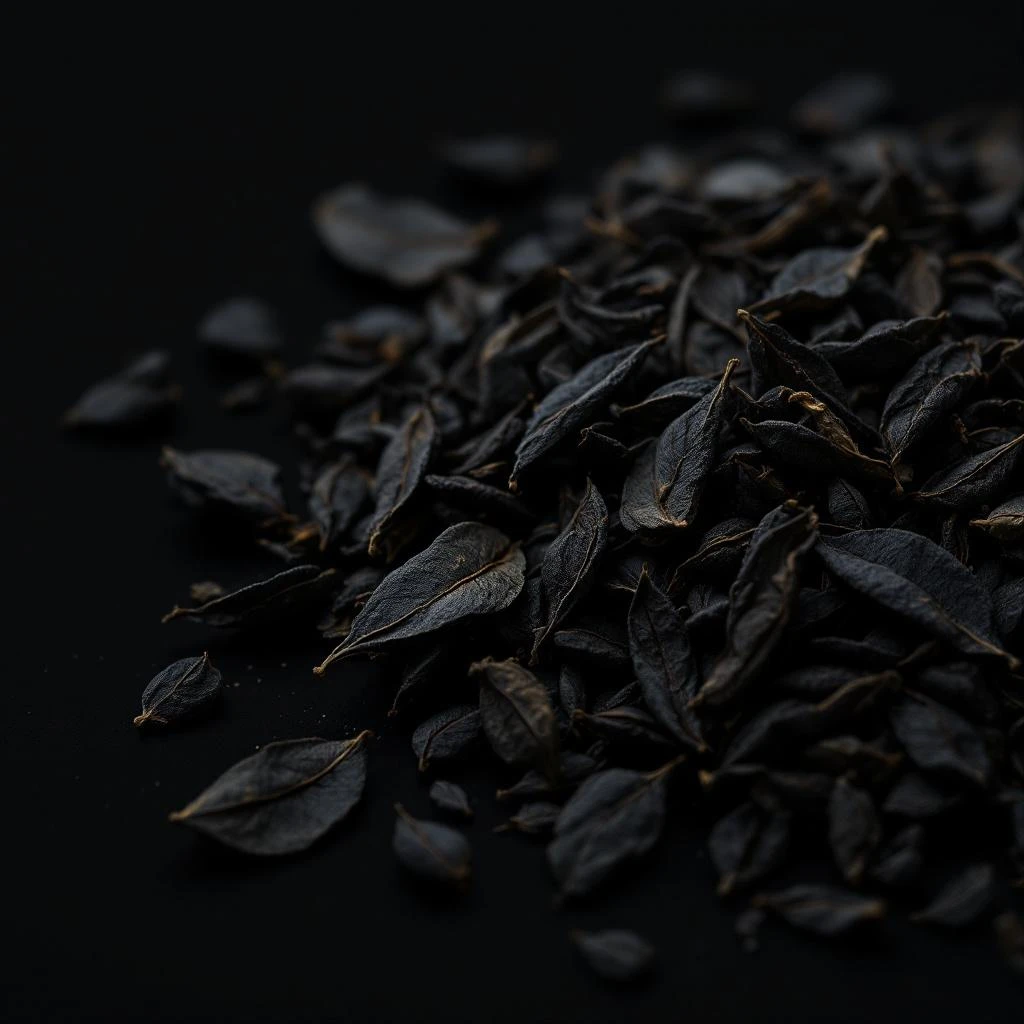
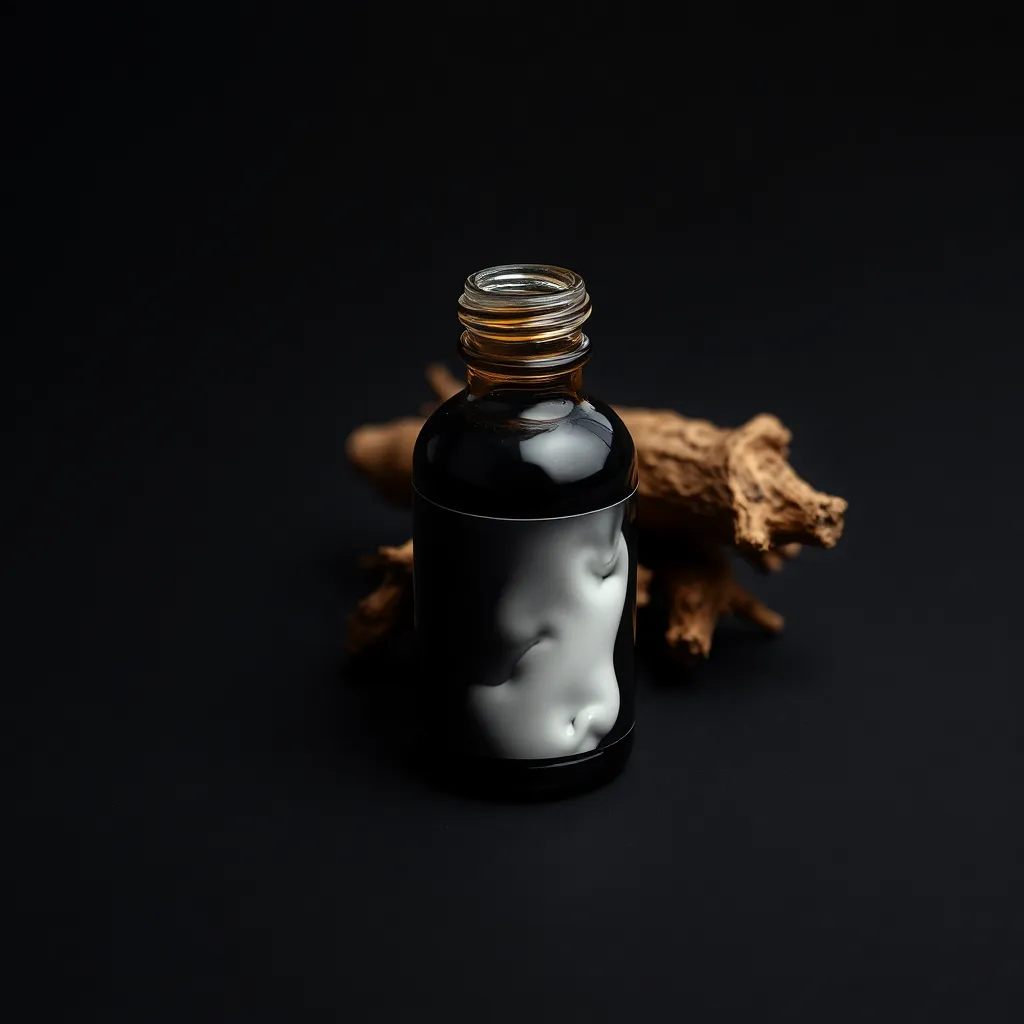
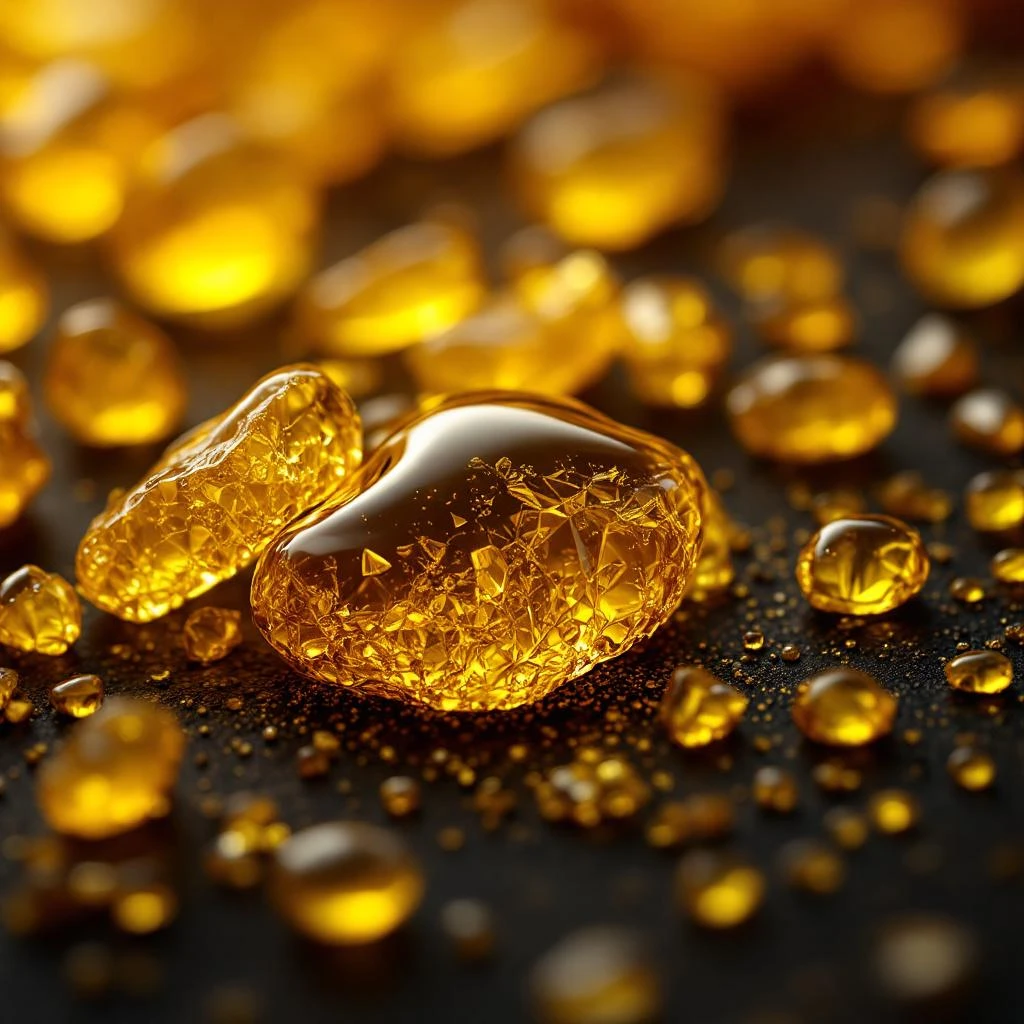
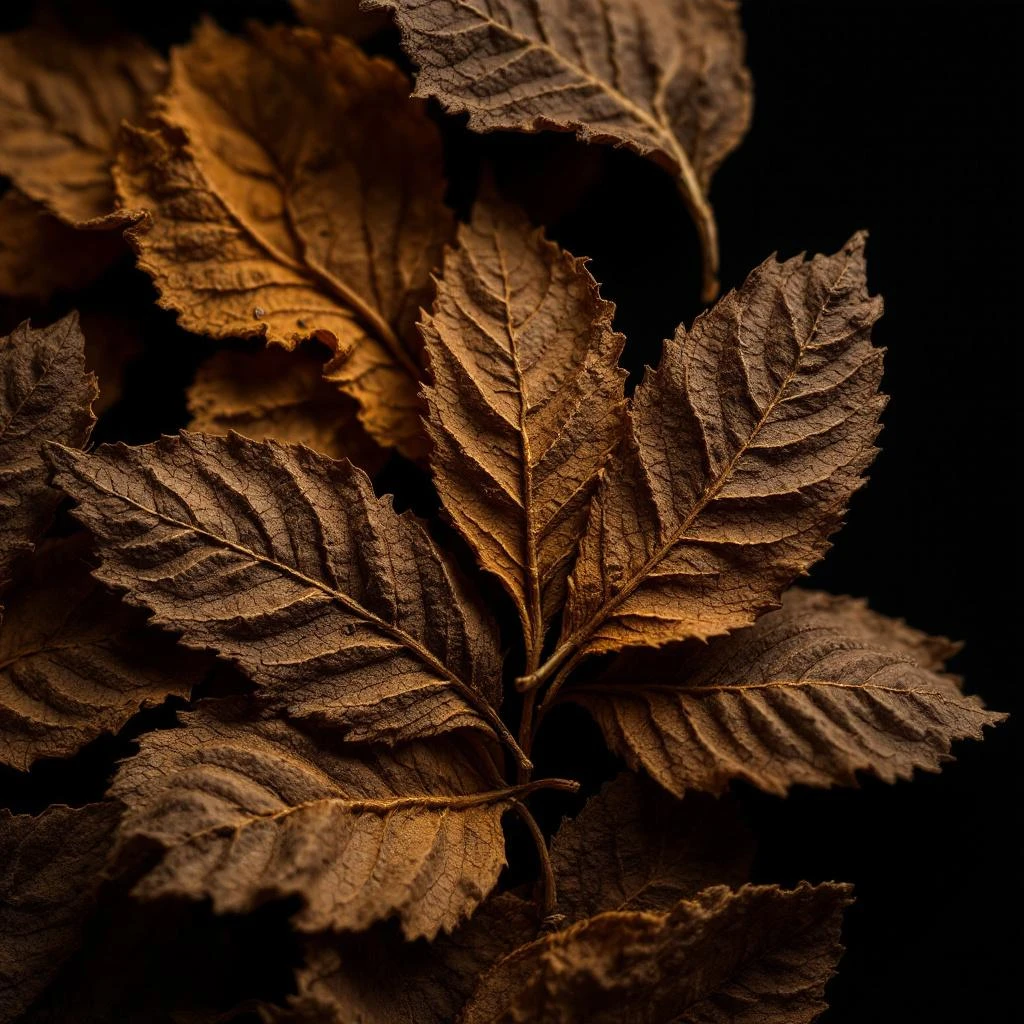
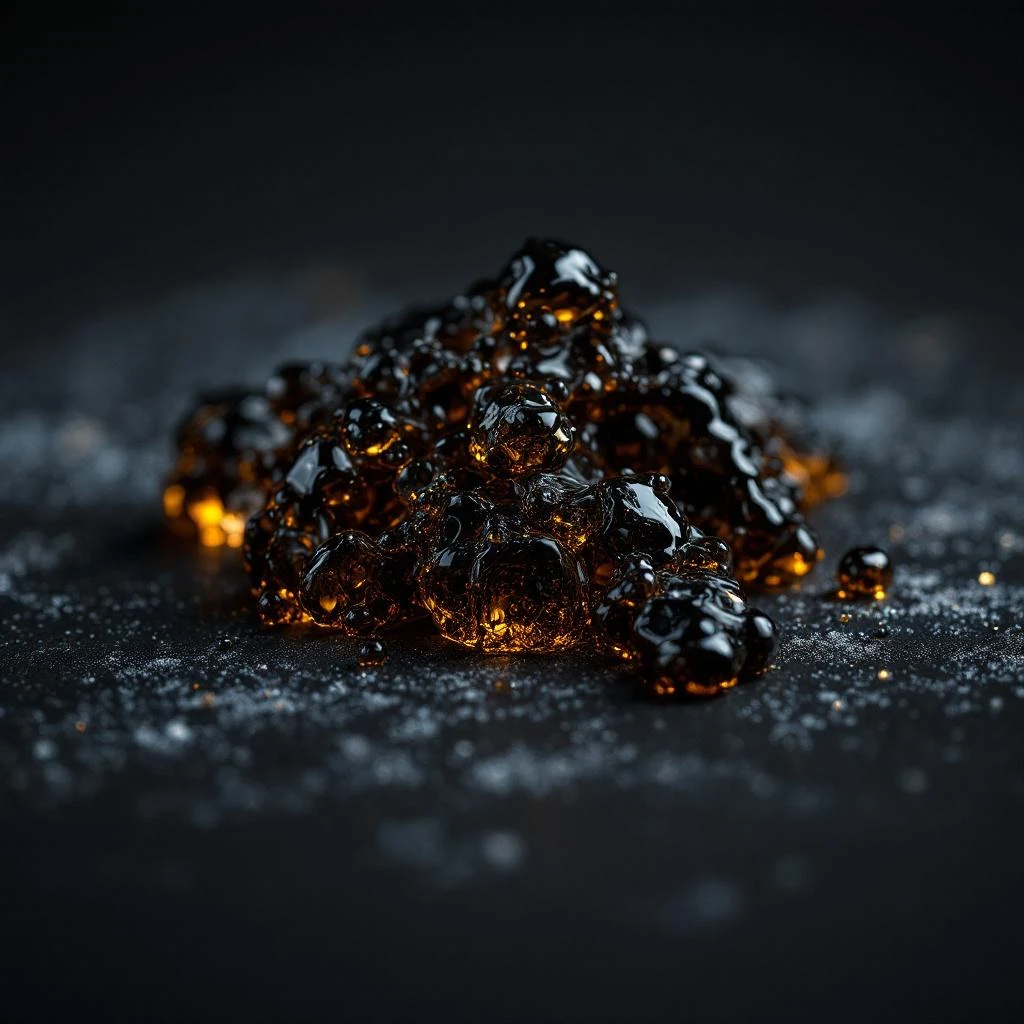
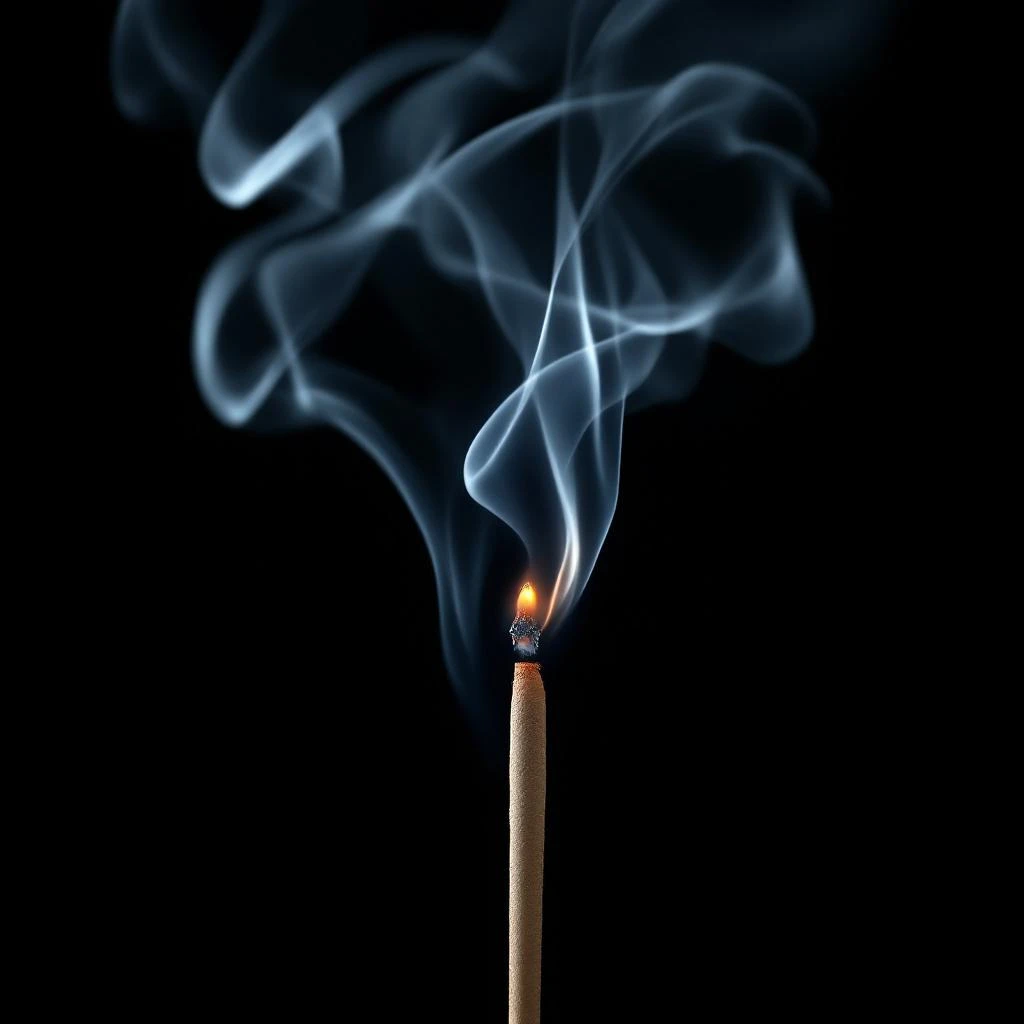
Cannabis resin brings a distinctive dark, resinous character to fragrance composition, evoking the ancient mountain regions where this storied material originates.
Character
How it smells
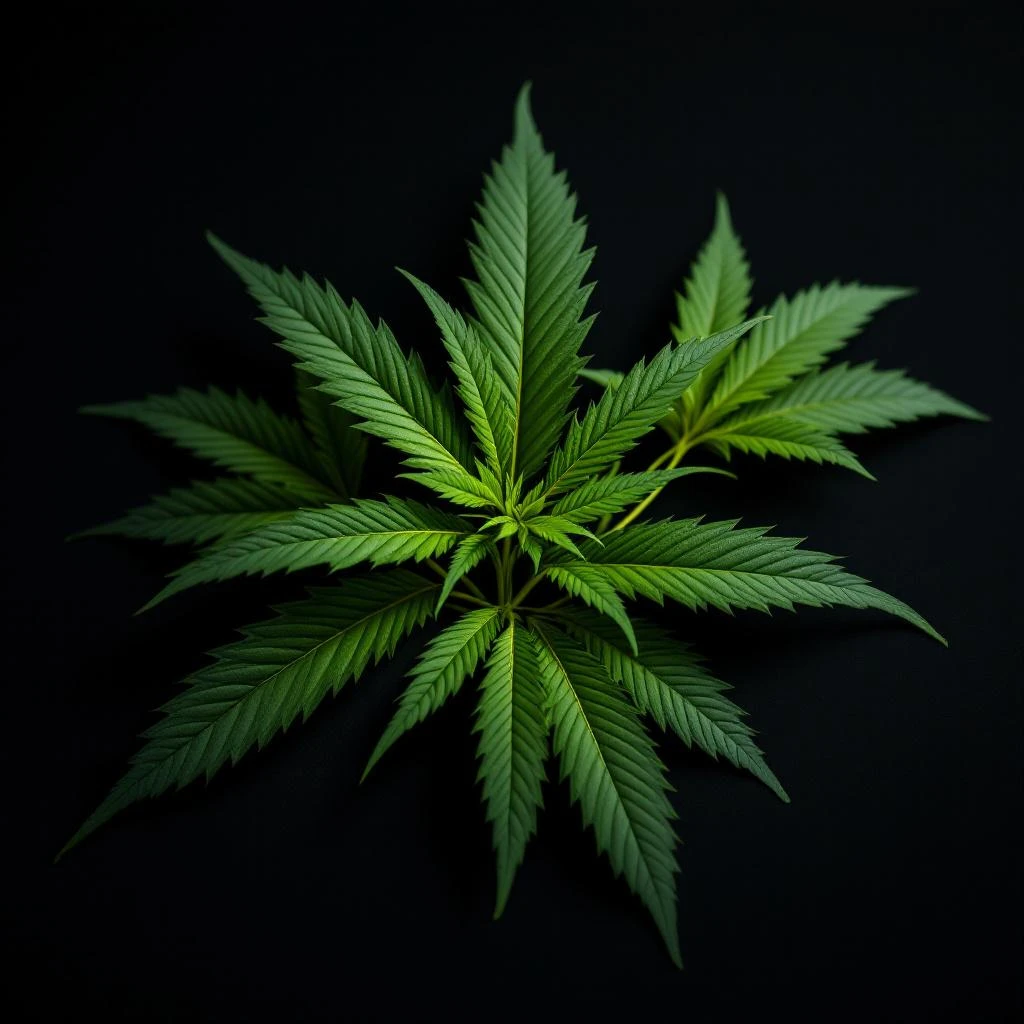
Dark resin, earth and spice from ancient mountains
The word 'assassin' derives from hashish: medieval Crusaders believed Muslim sect assassins used the resin before their missions.


Origin
Afghanistan
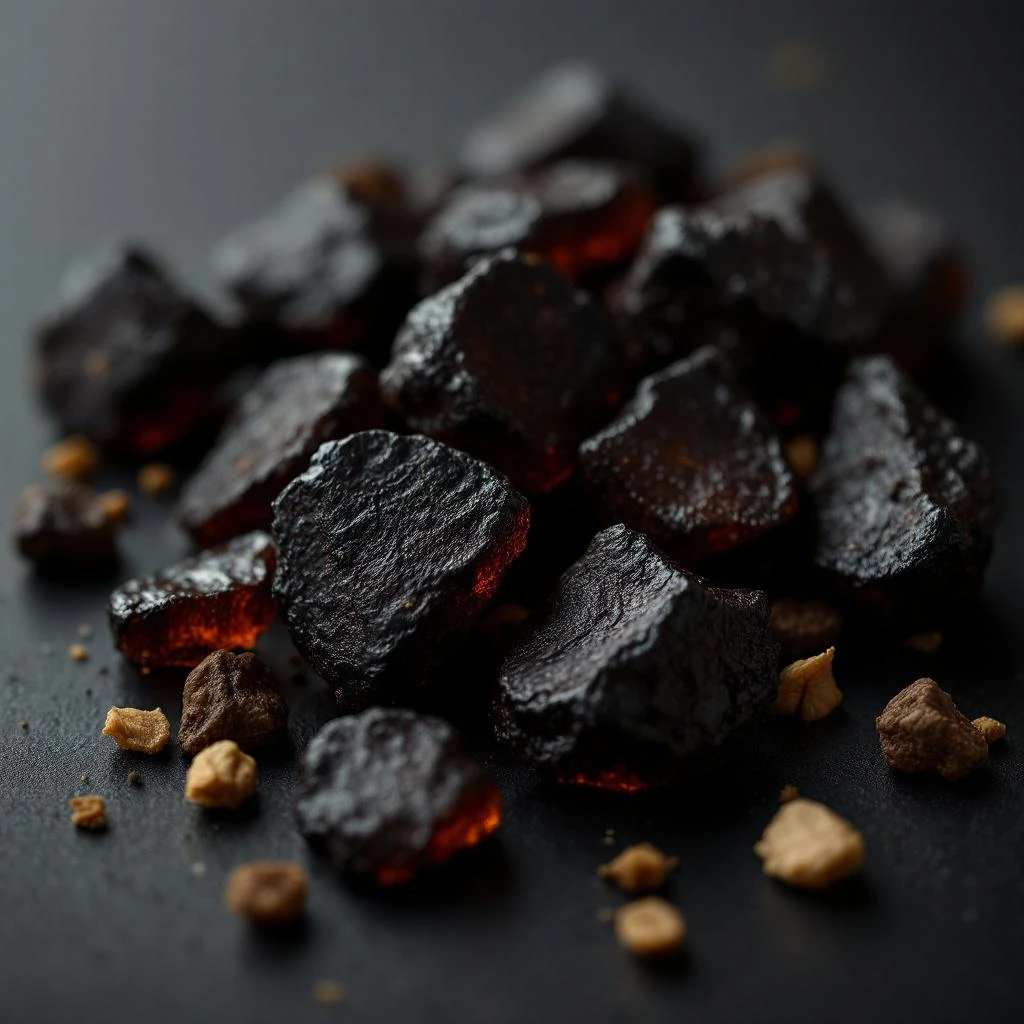
Cannabis resin has been harvested in the Hindu Kush mountain region for thousands of years. Afghan and Moroccan traditions of pressing resin from wild and cultivated cannabis plants date back centuries, with hashish serving as medicine, ritual substance and trade commodity along ancient Silk Road routes.
When perfumery began exploring bold, unconventional base materials in the late 20th century, cannabis extracts found a niche alongside other resinous ingredients like frankincense and myrrh. The green movement and cultural shift in cannabis perception during the 2010s accelerated its acceptance in fine fragrance, with several houses launching notable interpretations that treat the material with the same respect as traditional aromatics.
Wears it best
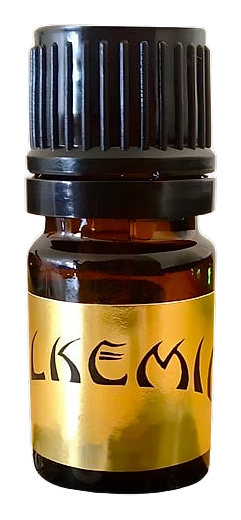
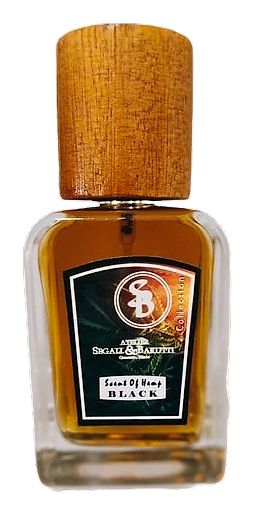
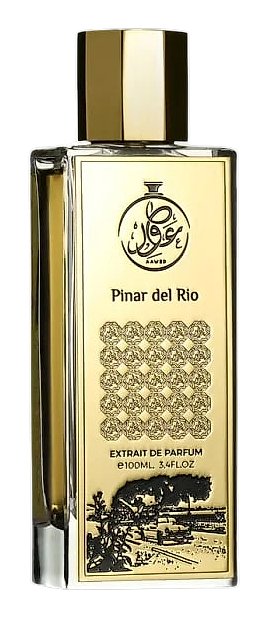
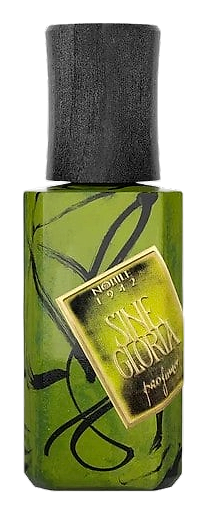
Fragrances featuring Hashish
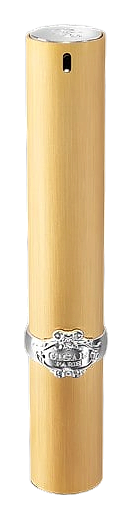
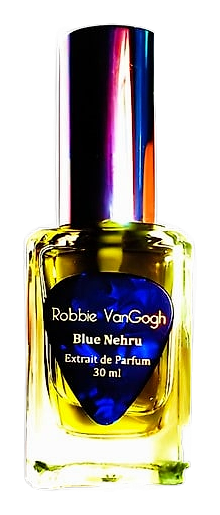
Brands
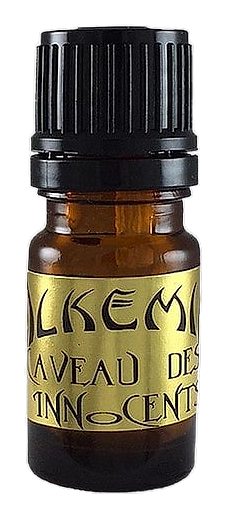
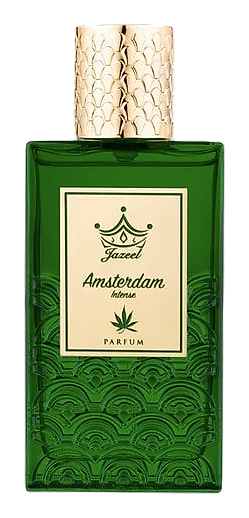
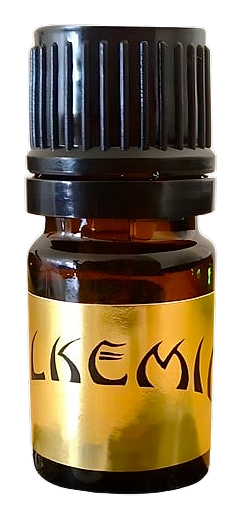
Brands known for Hashish
Good to know
Questions, answered
The essentials on Hashish in perfumery: how it smells, where it comes from, and how it behaves on skin.
What does hashish smell like in perfume?
Hashish adds dark, resinous, earthy qualities with woody and herbal undertones. It creates a distinctive base note character that reads as both grounding and slightly exotic.
Is hashish in perfume psychoactive?
Most modern perfumery uses nature-identical aroma chemicals or CBD-rich extracts. Any material containing detectable THC requires careful compliance with regional regulations.
How is cannabis resin extracted for fragrance use?
Trichome-rich plant material undergoes solvent extraction or supercritical CO2 extraction to capture aromatic compounds. The concentrate is then further processed for perfumery application.
What fragrances use hashish notes?
Several niche and designer houses have released cannabis-forward fragrances. These compositions typically pair the material with sandalwood, cedar, vetiver and aromatic herbs.
Is hashish considered natural or synthetic in perfumery?
It exists in both forms. Natural extracts come from cannabis material, while nature-identical synthetics replicate the terpene profile. Both appear in contemporary fragrance formulation.
How does hashish compare to other resinous fragrance ingredients?
Hashish shares earthy, balsamic qualities with frankincense and myrrh but adds a distinctively green, herbal dimension that sets it apart from sweeter resins.
Why do perfumers use hashish in compositions?
Hashish provides remarkable depth and longevity as a base note. Its complex profile adds intrigue and differentiates fragrances in a crowded market.
Does hashish have cultural significance in fragrance history?
Cannabis resin has ancient roots in Central Asian and Middle Eastern traditions. Its adoption into perfumery reflects broader cultural reassessment of the material in contemporary contexts.