
The Story
Why it exists.
The beginning
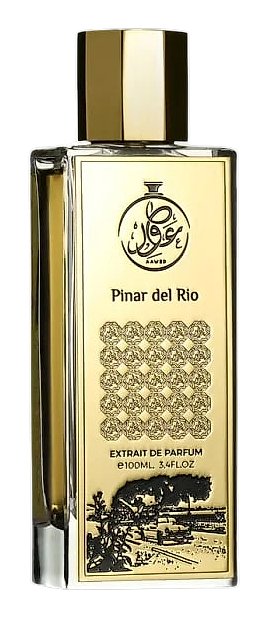
AAWED launched the fragrance in 2024. Perfumer Shadi Samra composed it with an interest in contrast, the kind you find when something cultivated and something wilder share the same patch of ground. The result sits in the oriental-woody category but reads lighter than that label suggests, leaning toward warmth and resin rather than darkness. Citrus lifts the top, spice gives it structure, and the tobacco notes ground everything in something agricultural and unforced. There's a clear architectural intent here, a sense that every material was chosen to play against its neighbor rather than pile on top of it. The opening has a brightness that almost disguises what comes later, and even the heavier base notes arrive with a kind of politeness, present but never pushy.
What makes Pinar del Rio structurally interesting is the layered use of two tobacco materials and a cannabis reference paired with frankincense and green notes that pull the whole composition toward something resinous and alive. This one holds its sweetness back, letting the blackcurrant and orange carry the opening while the tobacco waits in the wings. The oud and patchouli in the base are restrained rather than declarative, grounding the scent without tipping it into full Middle Eastern territory.
The evolution
The first 15 minutes are bright and almost festive. Orange, blackcurrant, cinnamon, and mint create a fruit-spice snap that reads more like an aperitif than a perfume. Then the cannabis character arrives, and the texture shifts. Green and slightly herbal, it doesn't smell smoky so much as plantlike, like crushed stems rather than burning leaves. By the 30-minute mark the tobacco and frankincense take over. Blond tobacco brings a hay-like sweetness; the cannabis note adds a dry, leafy quality. The green character stays ambient rather than literal, never announcing itself as a single identifiable material but rather as a tonal shift that makes everything around it smell different. From hour two onward, oud, patchouli, and tonka settle into a warm, slightly earthy base. The scent projects outward with notable presence, holding its shape well above-average for longevity and projection.
Cultural impact
Pinar del Rio reads as a tobacco-forward composition with cannabis elements present but never dominant, giving wearers something distinctive without crossing into novelty. One wearer note describes the scent as tamer than its note list suggests, a spiced tobacco composition rather than a full-bodied cannabis statement. That restraint likely broadens its appeal beyond a narrow niche audience. The cannabis and tobacco combination, both materials with strong cultural baggage in perfumery, is handled with enough understatement that the fragrance can appeal to curious newcomers rather than only committed enthusiasts of either note family.