Heritage
A house, in its own words
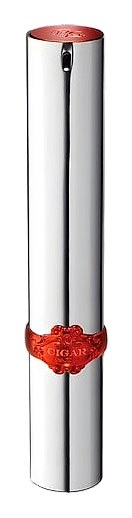
The Rémy Latour house emerged from France's rich tradition of perfumery, though detailed founding documentation for the house remains limited in accessible sources. The house gained significant recognition with its 1996 release of Cigar, a fragrance that entered a competitive market segment dominated by established players. Rémy Latour positioned Cigar as a statement fragrance, capturing the sophisticated world of fine cigars without merely replicating tobacco notes. The fragrance house has reportedly operated within the broader context of French luxury fragrance manufacturing, adhering to traditional methods while pursuing contemporary appeal. Over the years, Cigar has maintained a presence in the market, surviving multiple fragrance trends and shifting consumer preferences. The house continued releasing flankers and variations, including a 2017 update through Mancera, suggesting ongoing interest in the Cigar concept. Rémy Latour's approach to masculine fragrance creation reflects a commitment to bold, memorable compositions that stand apart from conventional offerings. Rémy Latour's approach to masculine fragrance creation centers on creating scents that make statements without overwhelming. The house appears to favor compositions that balance familiar elements with unexpected twists, appealing to wearers who appreciate complexity. With Cigar specifically, the philosophy seems to have been to capture the essence of indulgence and refinement associated with premium cigars while maintaining wearability. The fragrance demonstrates an understanding that luxury fragrances must function in real-world settings, not merely serve as intellectual exercises in perfumery. The bergamot-led opening suggests a deliberate choice to invite wearers into the composition gradually, rather than demanding immediate commitment. This measured approach reflects what appears to be Rémy Latour's broader philosophy of creating accessible luxury.