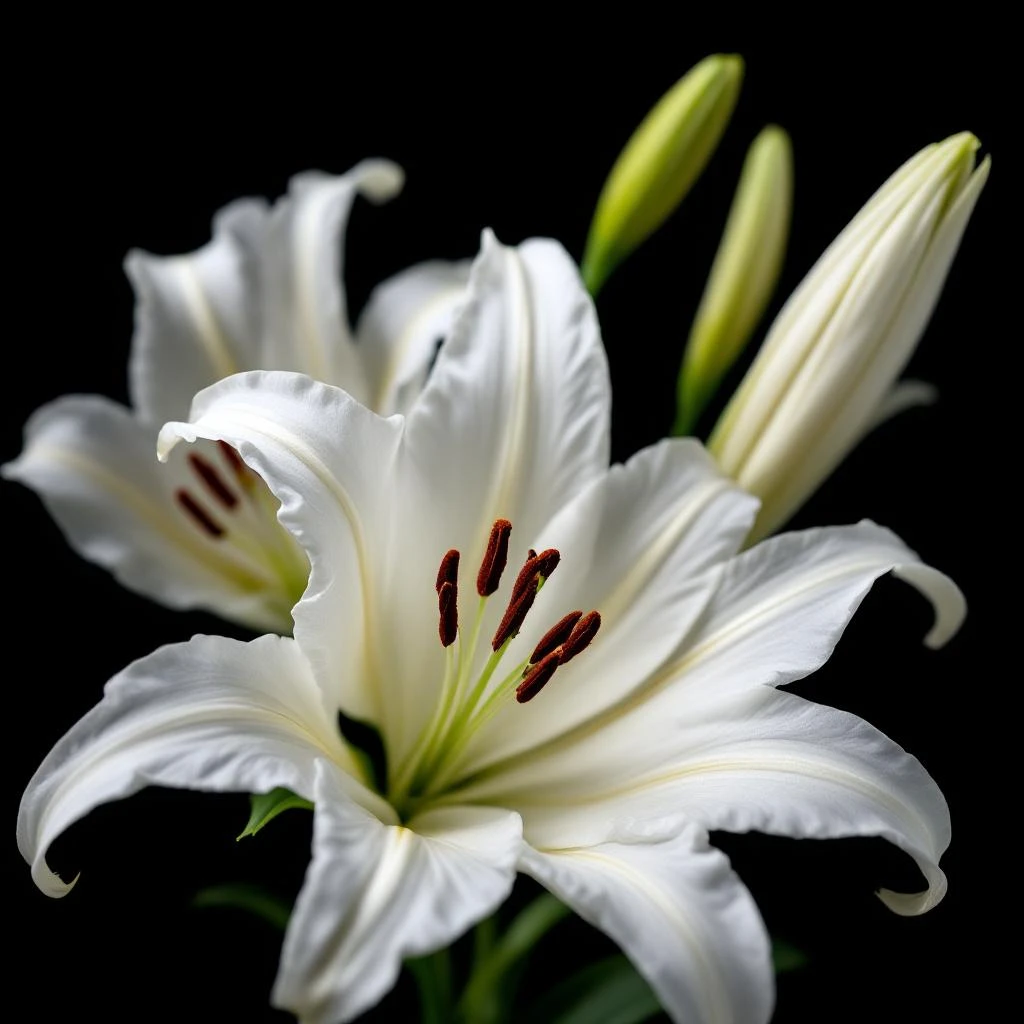
Valencia Orange Blossom
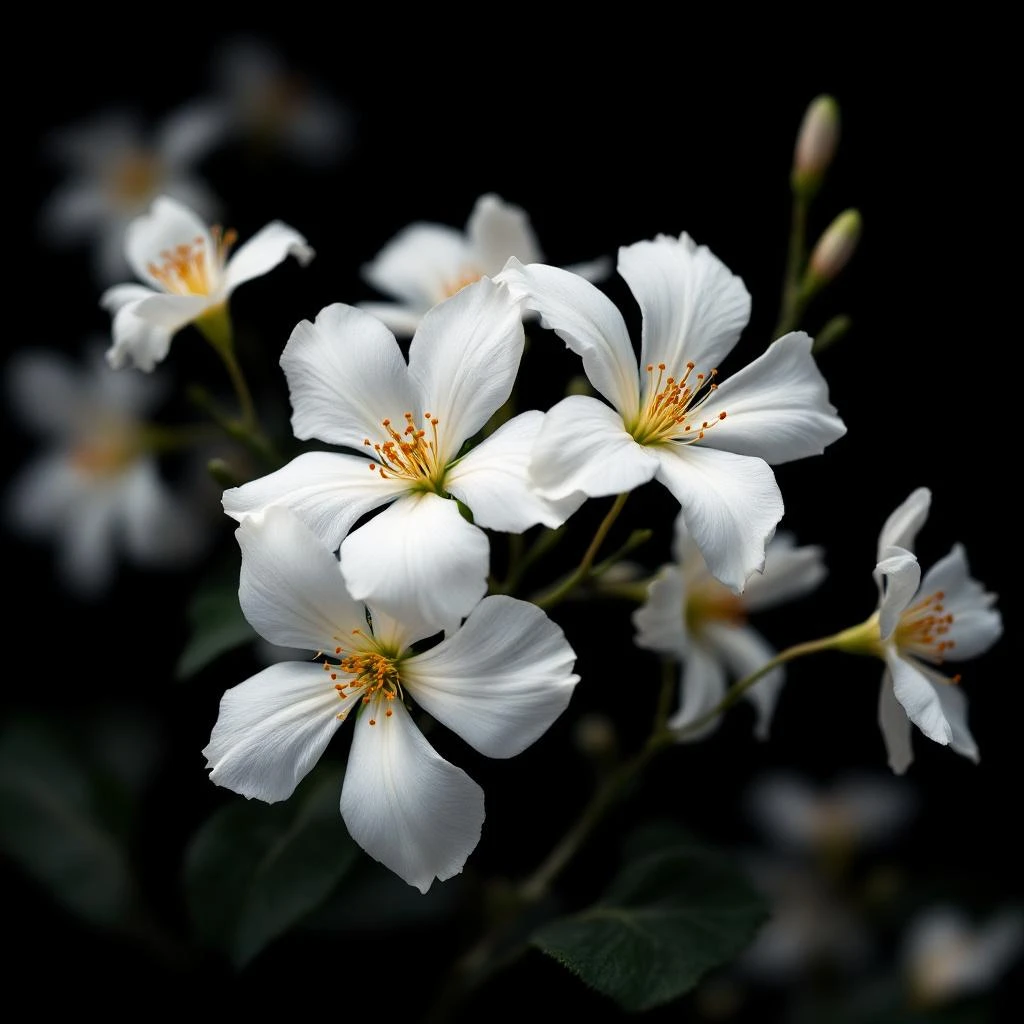
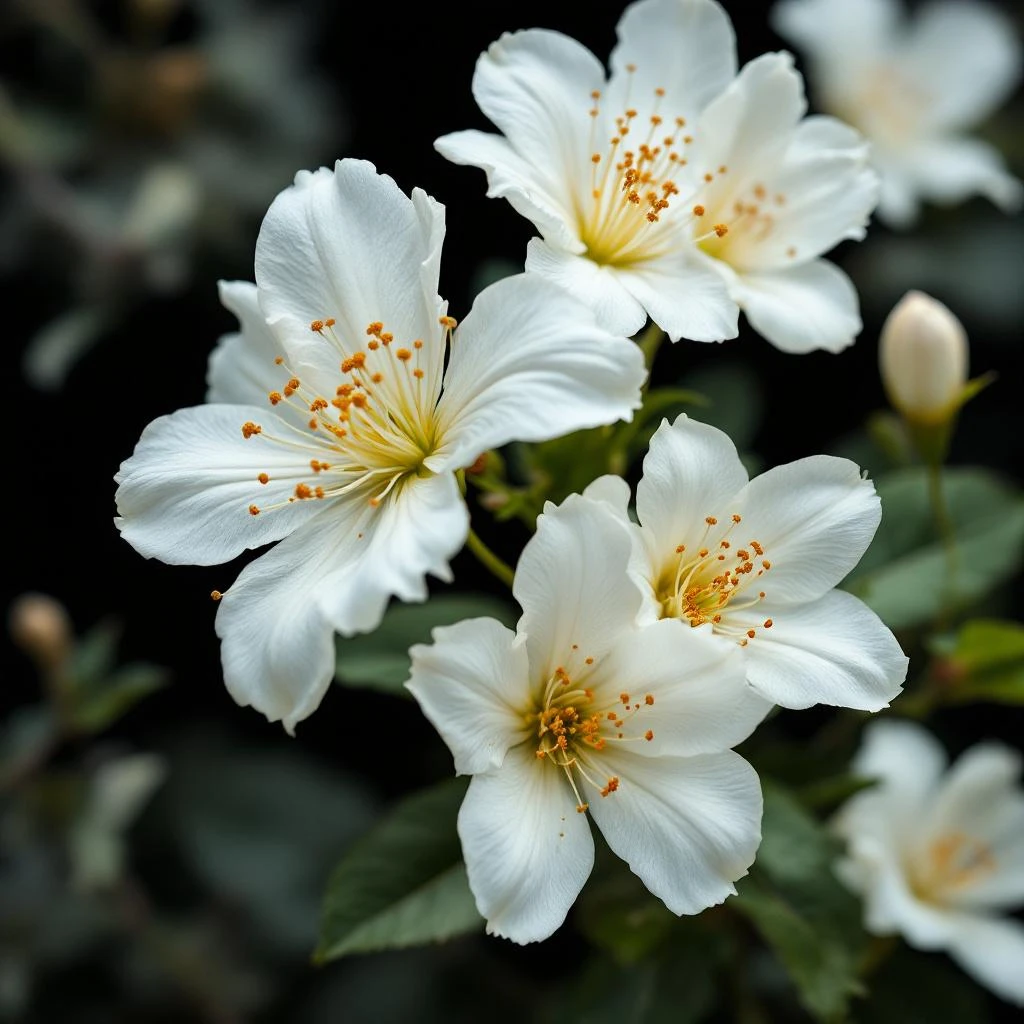
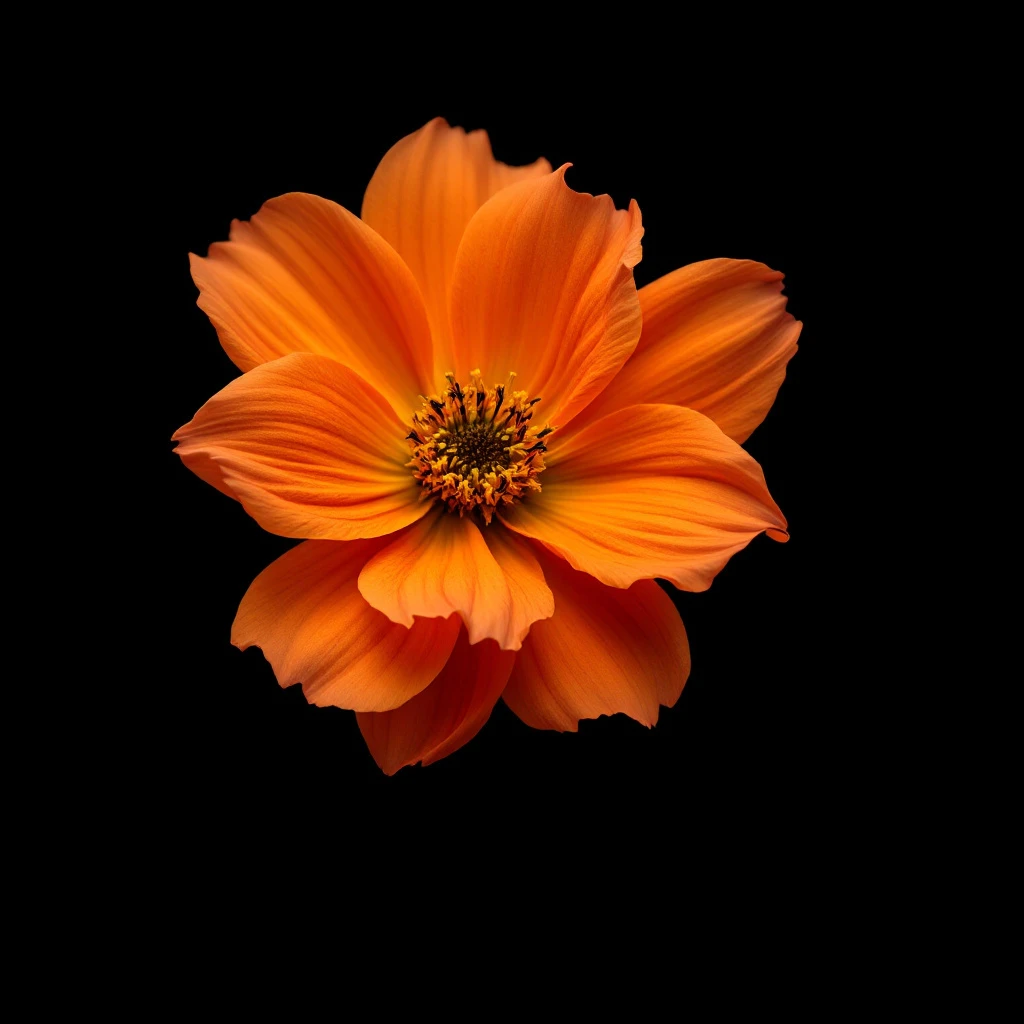
Valencia orange blossom captures sun-warmed citrus groves in full bloom, a bright and honeyed white floral that defines Mediterranean perfumery. Grown in Spain's eastern coast orchards, this specific variety delivers a fruitier, more luminous character than its Tunisian counterpart.
Character
How it smells
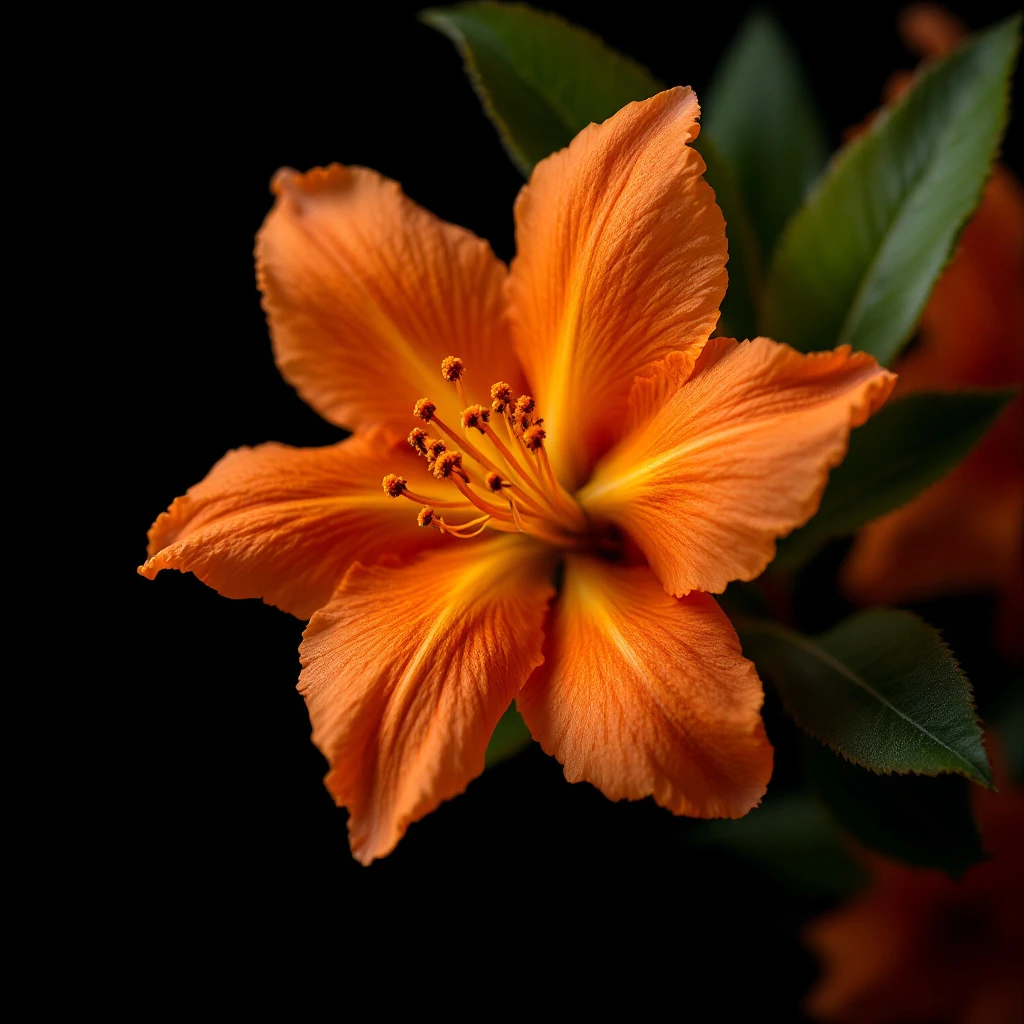
Sun-warmed citrus groves distilled into white floral light.
The bitter orange tree produces three distinct perfume materials from a single plant: neroli from the blossoms, petitgrain from the leaves, and orange oil from the fruit peel.

Origin
Spain
Orange blossom arrived in Spain with the Moors during the 10th and 11th centuries, who carried bitter orange seeds across North Africa and planted them throughout Andalusia and the Levante region. The first European distillation of orange blossom water took place in Italy during the Renaissance, credited to traders who learned the technique in North Africa. By the early 1700s, Italian perfumer Gian Paolo Feminis commercialized an orange blossom water in Cologne, laying the groundwork for what became eau de cologne.
French cultivation expanded rapidly after 1800, with the town of Grasse becoming Europe's premier production center through the 19th century. Valencia's particular variety developed its reputation in the mid-1800s when Mediterranean growers selected trees producing flowers with brighter, more citrus-forward top notes. Tunisian production later challenged Spanish dominance, especially after French yields declined mid-20th century.
Today Valencia orange blossom remains a signature material for Mediterranean florals, carrying centuries of cultivation refinement into modern perfumery.
Wears it best
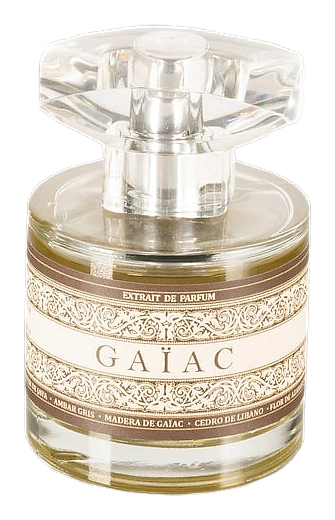
Fragrances featuring Valencia Orange Blossom
Good to know
Questions, answered
The essentials on Valencia Orange Blossom in perfumery: how it smells, where it comes from, and how it behaves on skin.
What does Valencia orange blossom smell like in perfume?
Valencia orange blossom carries a brighter, fruitier profile than other regional varieties. Expect sharp citrus top notes, a honeyed sweetness, and indole-rich white floral depth. The Spanish terroir gives it a sunnier character compared to Tunisian harvests.
How is Valencia orange blossom different from regular orange blossom?
Valencia orange blossom comes specifically from Citrus aurantium trees grown in Spain's Valencia region. The Mediterranean climate produces flowers with higher concentrations of linalool and limonene, resulting in a fresher, more luminous scent profile.
Is neroli the same as orange blossom absolute?
No. Neroli is steam-distilled from orange blossoms and yields a lighter, more citrus-forward oil. Orange blossom absolute uses solvent extraction, capturing a richer, more indolic and honeyed character. Both come from the same flower but offer distinct perfumery applications.
When are orange blossoms harvested in Valencia?
Harvest runs from late March through early May. Pickers collect flowers at dawn when temperatures stay cool and volatile compounds remain concentrated. This narrow window makes timing critical for quality extraction.
Why is orange blossom so costly to produce?
Orange blossom demands intensive labor and precise timing. Workers hand-pick individual flowers at dawn, and it takes several hundred kilograms of fresh blossoms to produce one kilogram of absolute through solvent extraction.
What fragrance families feature orange blossom prominently?
Orange blossom anchors many white floral and soliflore compositions. It also appears prominently in classic colognes, oriental fragrances, and bridal perfumes where its bright honey and indolic facets provide structure.
Can orange blossom be grown outside the Mediterranean?
Citrus aurantium thrives in subtropical climates but produces the most aromatic flowers in Mediterranean conditions. Commercial cultivation exists in Tunisia, Morocco, Florida, and California, though regional terroir shapes the final scent character.
What compounds give orange blossom its distinctive scent?
Linalool provides the soft floral heart, while indole contributes the rich, almost animalic undertone at low concentrations. Anthranilate esters add a grape-like sweetness, and trace amounts of methyl anthranilate create the characteristic honeyed finish.