Yemenite Frankincense
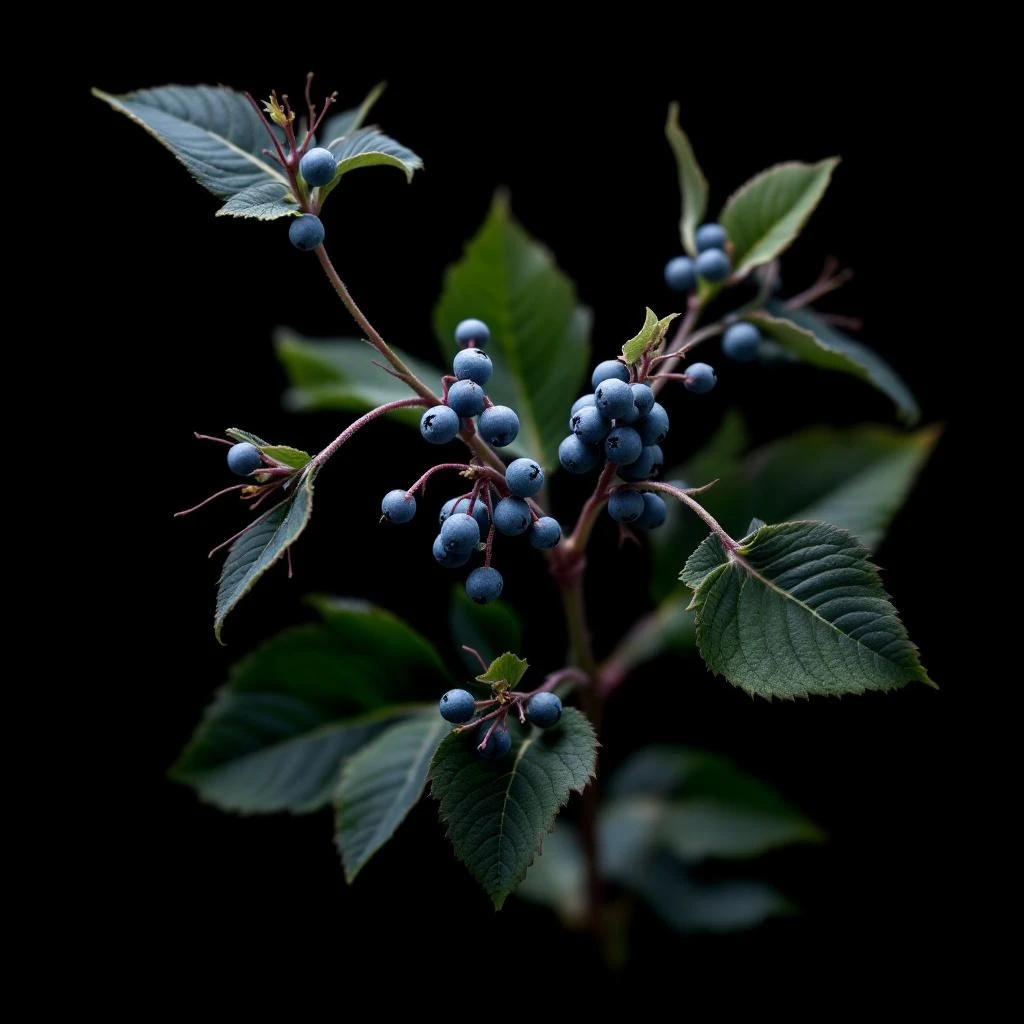
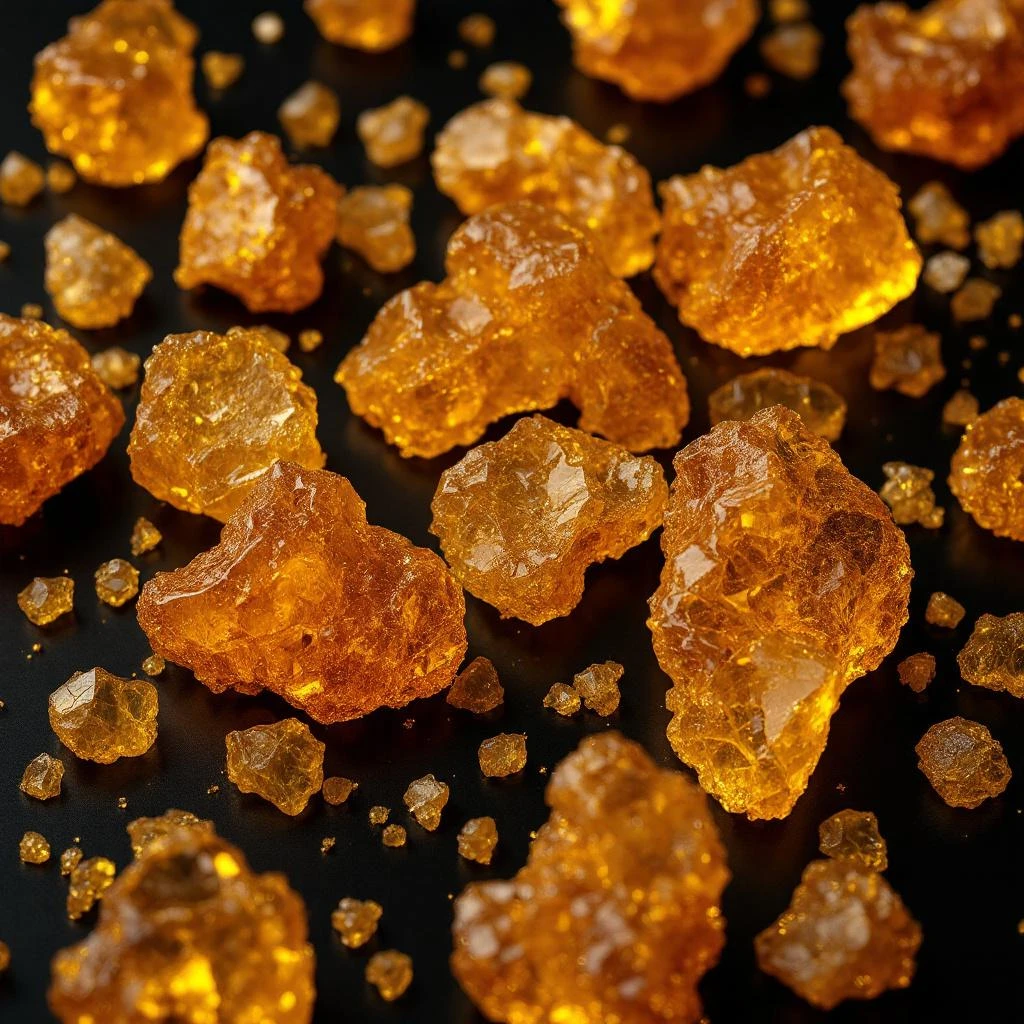
From the arid mountains of Yemen and the Horn of Africa, Boswellia sacra yields a resin prized for millennia. Yemenite frankincense carries a layered scent: resinous warmth, cracked wood, and a whisper of citrus peel that grounds and elevates any composition.
Character
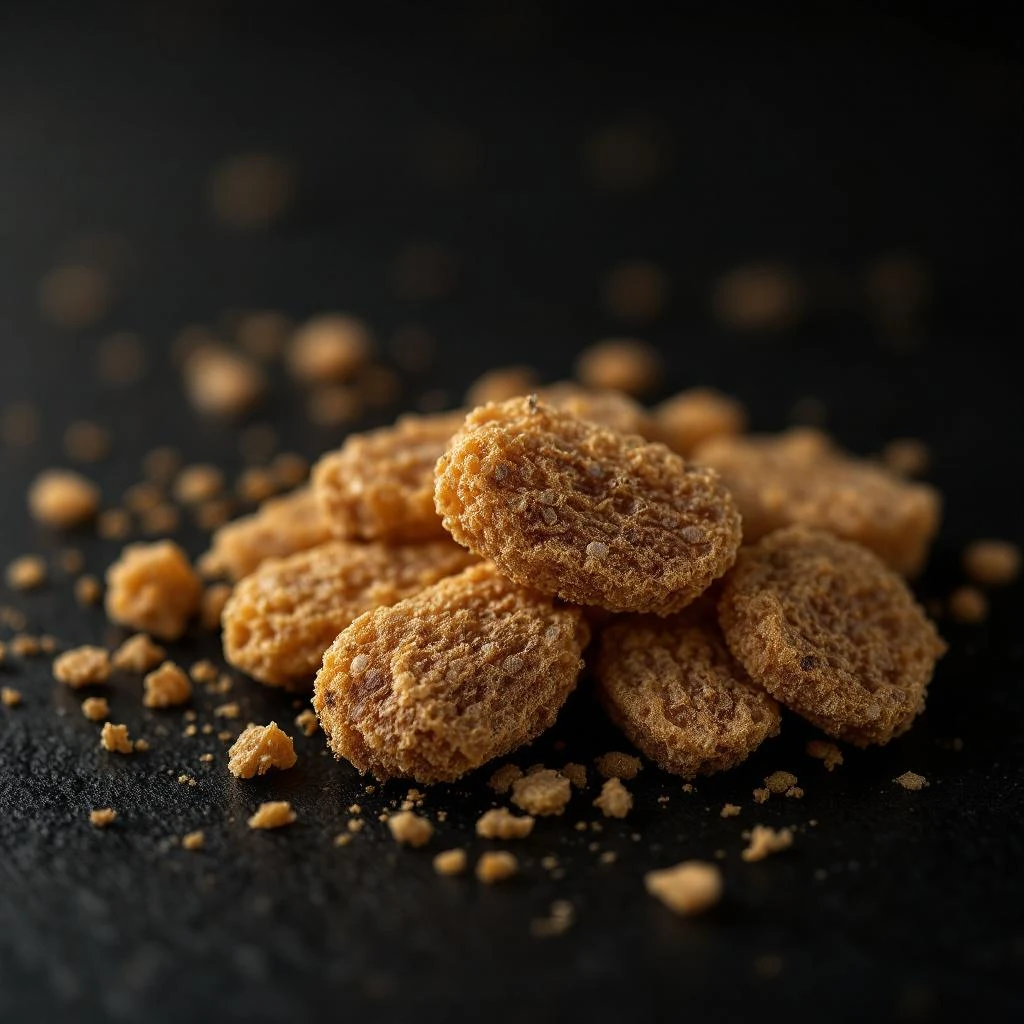
How it smells
Ancient resin, enduring presence.
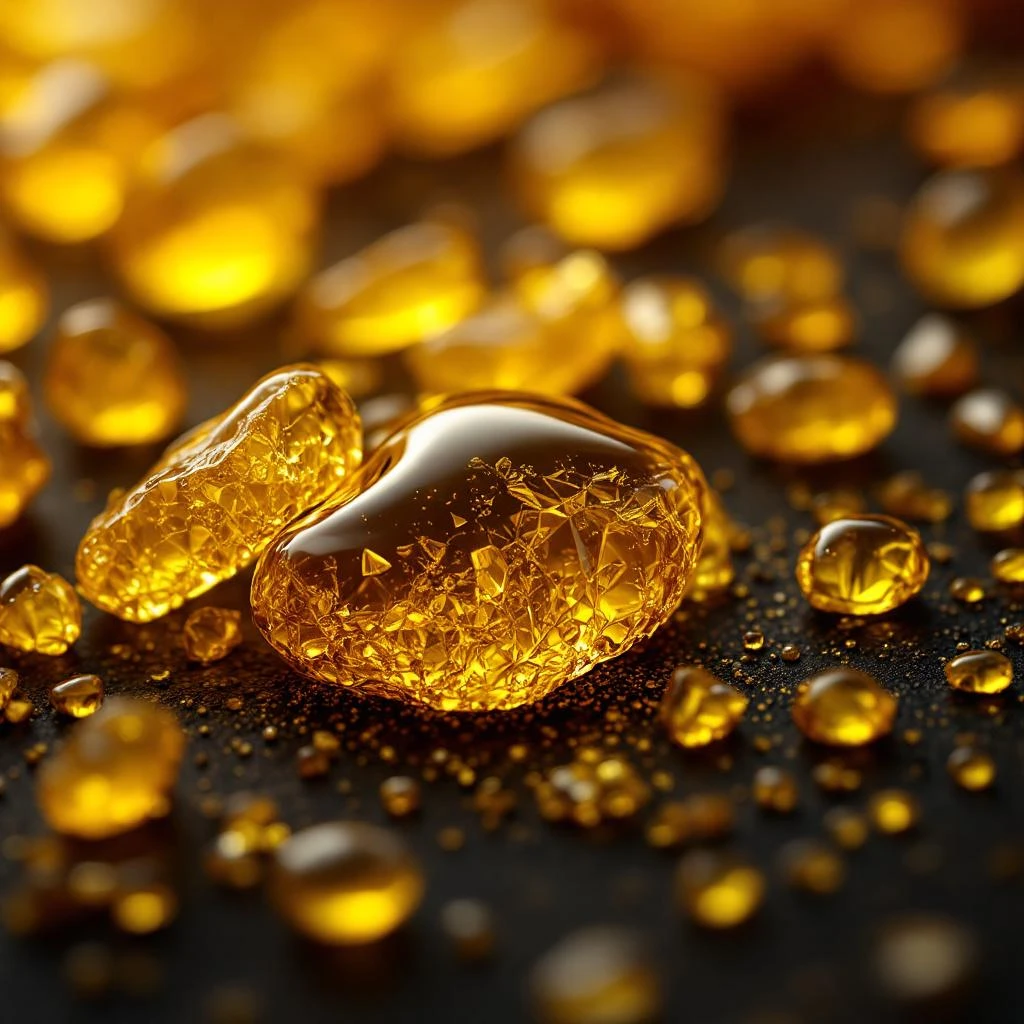
Royal Hojari, Yemen's most prized frankincense variety, forms when the tree bleeds resin in response to injury, producing thicker, milky-white tears prized above all other grades.







Origin
Yemen
Yemen's frankincense trade predates written history. Archaeologists have found evidence of resin trading posts along the Incense Route dating to roughly 3000 BCE, when caravans carried Boswellia resin from the coastal mountains of Dhofar and Yemen northward to Mesopotamia, Egypt, and the Mediterranean. The resin featured in temple rituals, burial rites, and as a luxury good traded alongside gold and spices.
Ancient Egyptians burned frankincense during mummification; Roman emperors prized it as a status symbol. Yemen's position at the crossroads of maritime and overland routes made its frankincense synonymous with prestige. Despite the collapse of ancient empires and shifting trade routes, Yemenite frankincense never lost its cultural weight.
It remains embedded in religious ceremonies, traditional medicine, and the modern perfume industry, carrying thousands of years of continuous use into contemporary formulations.
Wears it best
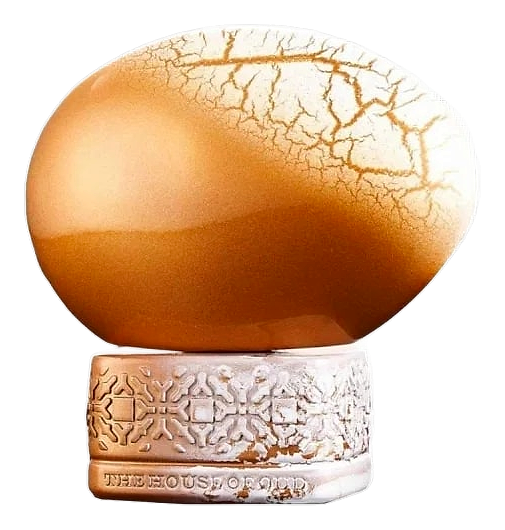
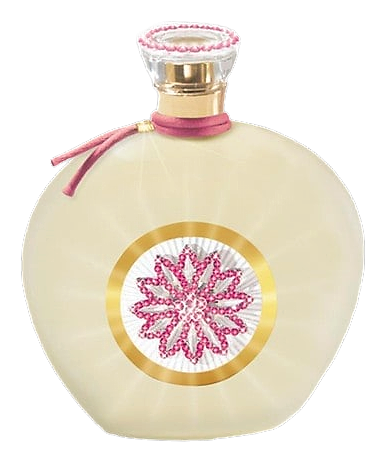
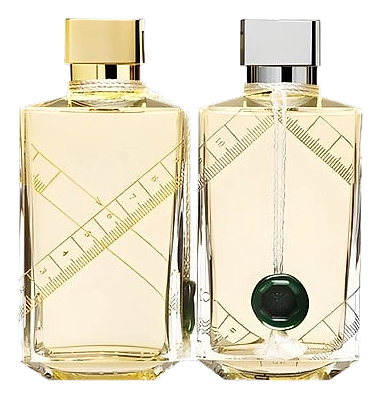
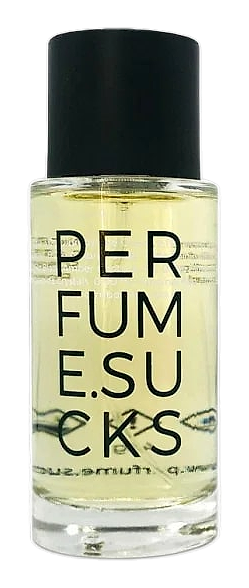
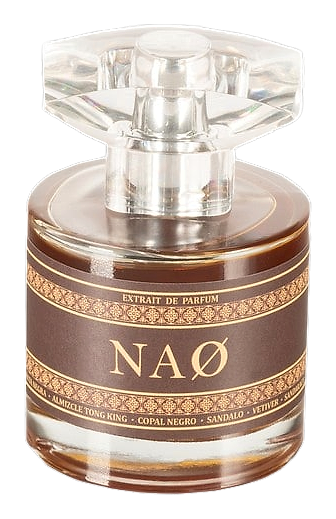
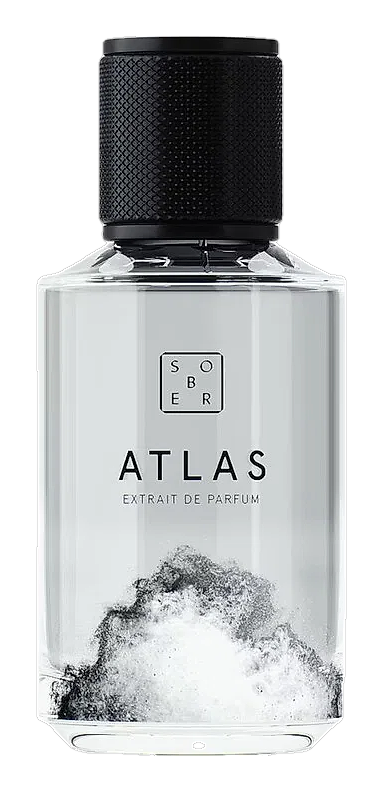
Fragrances featuring Yemenite Frankincense

Brands
Brands known for Yemenite Frankincense
Good to know
Questions, answered
The essentials on Yemenite Frankincense in perfumery: how it smells, where it comes from, and how it behaves on skin.
What does Yemenite frankincense smell like?
Yemenite frankincense reads as resinous and warm, with a dry woody backbone and subtle citrus brightness. Royal Hojari, the premium Yemeni grade, adds a faint sweetness and a clean, almost balsamic finish that lingers deep in a fragrance composition.
How is Yemenite frankincense harvested?
Harvesters make shallow cuts into Boswellia sacra bark during the dry season, allowing the tree to bleed a milky resin that hardens into tear-shaped drops over two to three weeks. Collectors gather the resin by hand and grade it by color and clarity.
What is the difference between Yemenite frankincense and other frankincense varieties?
Boswellia sacra from Yemen produces a distinct resin profile shaped by the region's rocky limestone terrain and extreme aridity. Yemen's Royal Hojari grade is widely considered among the finest frankincense in the world due to its high oil content and clean, sweet-balsamic aroma compared to more medicinal or smoky varieties from East Africa.
What grade of Yemenite frankincense is best?
Royal Hojari ranks at the top. Its milky-white tears contain the highest concentration of aromatic oils, delivering the cleanest and sweetest scent. Lesser grades are still aromatic but lack the same depth and refinement in perfumery applications.
Can frankincense resin be used directly in perfume?
Raw resin tears require maceration in perfumer's alcohol or oil for several weeks before the scent fully develops. The process extracts the volatile aromatic compounds, producing a concentrated material that perfumers incorporate as a base note in Oriental and woody fragrance families.
Does Yemenite frankincense appear in classic perfumery?
Yes. Ernest Beaux used frankincense as a base-note material in Chanel No. 5, where it provides warmth and resinous depth that anchors the composition. Contemporary niche and luxury houses continue to feature Yemenite frankincense for its distinctive aromatic complexity.
What fragrance families pair well with Yemenite frankincense?
It combines naturally with oud, sandalwood, amber, and other resinous materials. Citrus and spice accords like bergamot, cardamom, and black pepper brighten its depth, while animalic notes such as civet or musk amplify its warm, grounding character.