Orange Flower
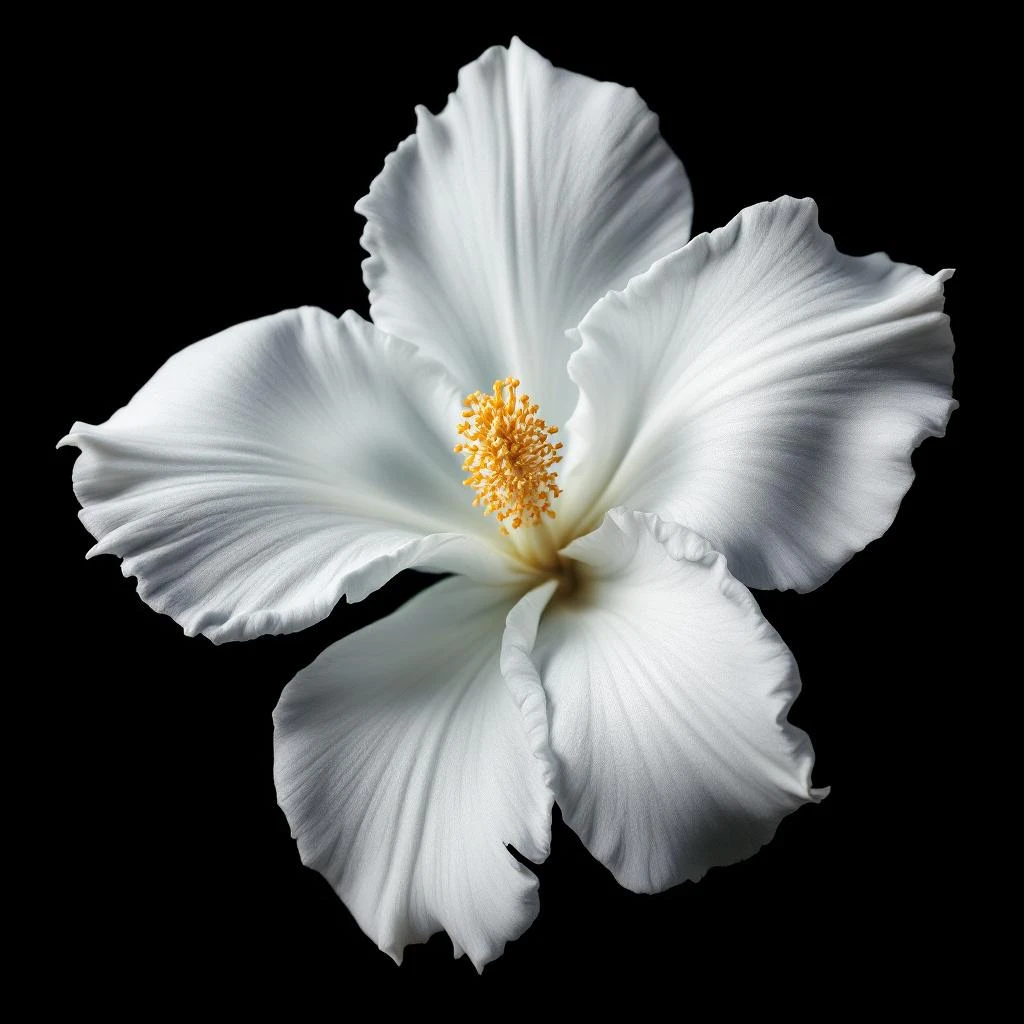
Sun-drenched blossoms from the bitter orange tree deliver a radiant scent that balances creamy white florals with bright citrus brightness.
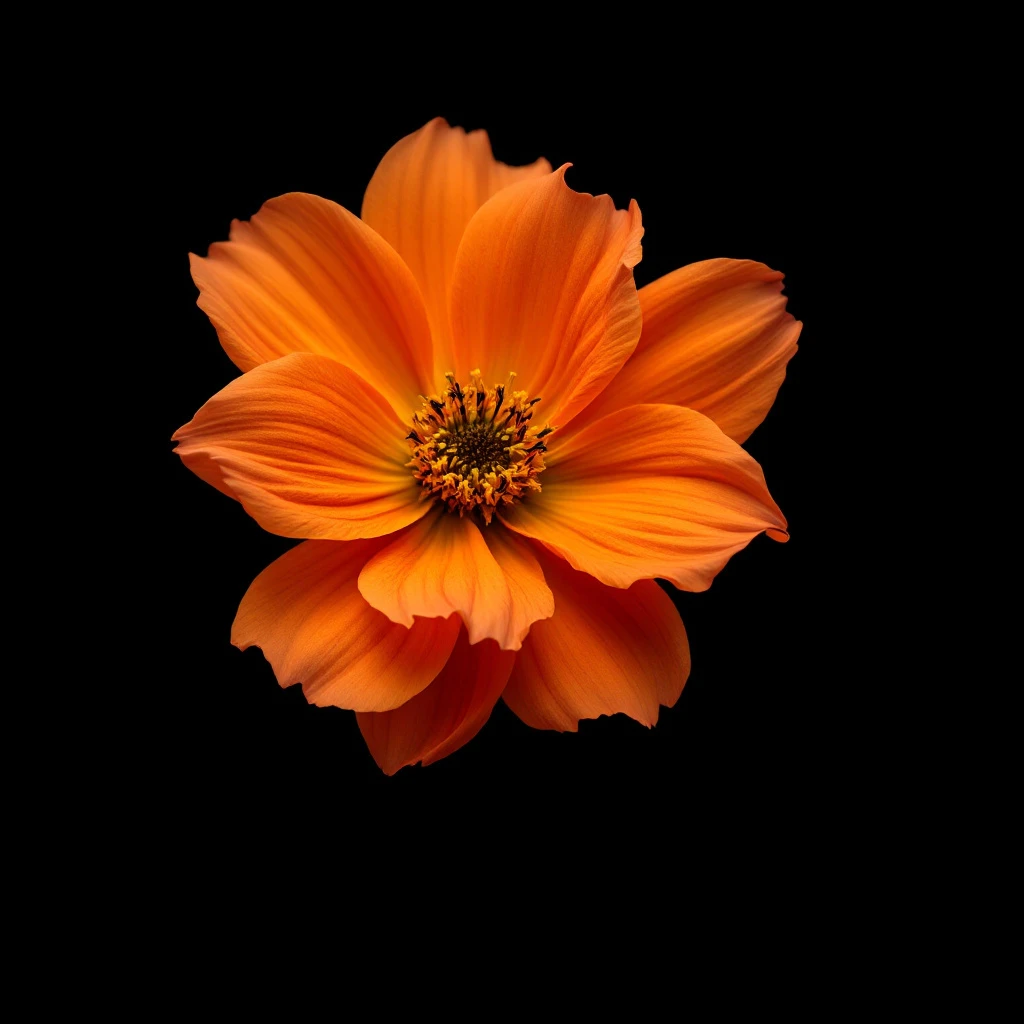
Character
How it smells
Citrus blossoms that smell like a warm spring morning
In 19th century France, brides wore orange blossom crowns not just for beauty, but because the scent was believed to grant fertility and good fortune.





Origin
Tunisia
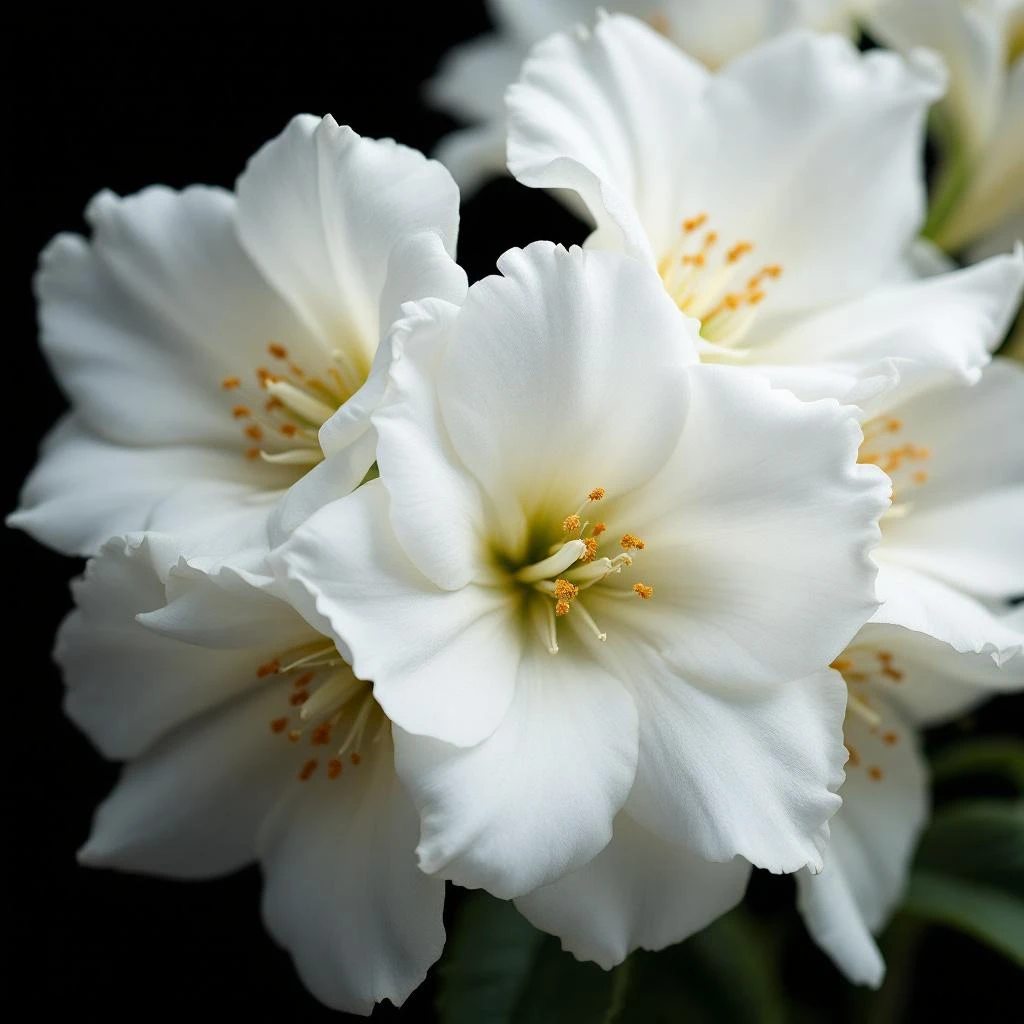
The bitter orange tree originated in the Middle East, where cultivators first valued it for fruit and medicine. Arab traders introduced the tree to the Mediterranean region during the medieval period. By the 12th century, it had spread across Spain, Italy, and southern France.
French perfumers began systematically cultivating orange blossom for fragrance in the early 1800s. The town of Montmemo became a center of production, where growers developed techniques for harvesting and processing the delicate flowers. By mid-century, French orange blossom had gained international reputation among fragrance houses.
The symbolic weight of orange blossom grew alongside its commercial importance. European brides adopted the flower as a wedding emblem, weaving it into crowns and bouquets. The association with fertility, purity, and lasting happiness made it a natural choice for wedding traditions that continue today.
Production in France declined after 1870 as competing regions offered lower costs. Tunisia emerged as a major supplier, with its climate well-suited to growing bitter oranges. The North African country now leads global production, though French cultivation continues on a smaller scale.
MANE, the French fragrance house founded in 1871, built its early reputation working with orange flowers. The ingredient remains central to the company's identity, a link to its founding decades.
Wears it best
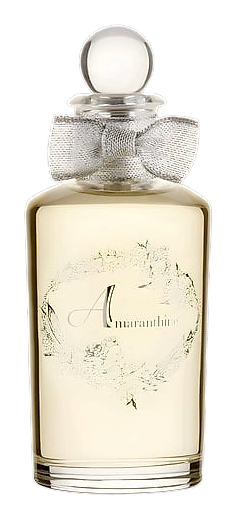
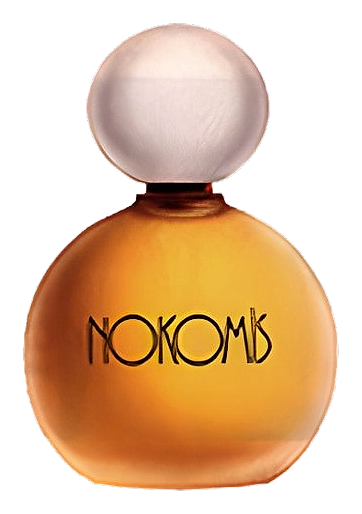
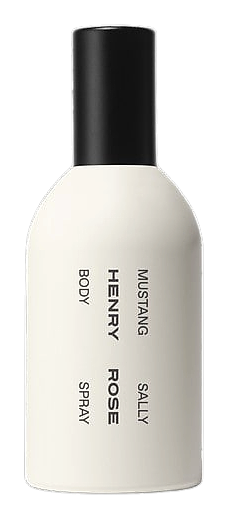
Fragrances featuring Orange Flower


Brands
Brands known for Orange Flower
Good to know
Questions, answered
The essentials on Orange Flower in perfumery: how it smells, where it comes from, and how it behaves on skin.
What does orange blossom smell like?
Orange blossom delivers bright citrus top notes paired with creamy white floral heart. The scent carries subtle green undertones and a warm, honeyed base that gives it depth. Many people recognize it as the characteristic scent of orange marmalade.
What is the difference between neroli and orange blossom absolute?
Neroli oil comes from steam distillation of the petals, producing a lighter, more citrusy character. Orange blossom absolute results from solvent extraction, yielding a richer, more concentrated material with deeper floral warmth. Perfumers choose between them based on the intensity and character they need.
Where does orange blossom for perfumery come from?
Tunisia leads global production, cultivating around 600 hectares of orange orchards for fragrance use. Morocco, Egypt, and France also grow orange blossom for perfumery. The warm climate of North Africa produces blossoms with particularly high aromatic concentration.
Is orange blossom a natural or synthetic ingredient?
Natural orange blossom absolute and neroli oil exist, but synthetic versions are common in mainstream perfumes. Synthetic alternatives reproduce key aromatic compounds like linalool and linalyl acetate. Niche houses often prefer natural materials for their complexity and depth.
What fragrance family does orange blossom belong to?
Orange blossom falls within the white floral family, alongside jasmine, tuberose, and gardenia. It bridges floral and citrus categories, giving perfumers flexibility in composition. The note works across women's and men's fragrances, particularly in spring and summer scents.
Does orange blossom fade quickly in perfume?
Orange blossom is a heart note that lasts several hours on skin when properly fixed. The longevity depends on the extraction method and the perfume's overall structure. Blending with base notes like sandalwood or musks extends its presence.
What ingredients pair well with orange blossom?
Orange blossom combines naturally with citrus, green, and other white floral notes. It pairs well with neroli, jasmine, and petitgrain for a classic floral direction. For contrast, perfumers blend it with vanilla, amber, or woody materials.
Why is orange blossom traditional in wedding flowers?
European brides adopted orange blossom in the 19th century as a symbol of fertility, purity, and happiness. The flower's sweet fragrance represented the promise of a fruitful marriage. This tradition spread across cultures and remains common in wedding bouquets today.



