
The Story
Why it exists.
The beginning
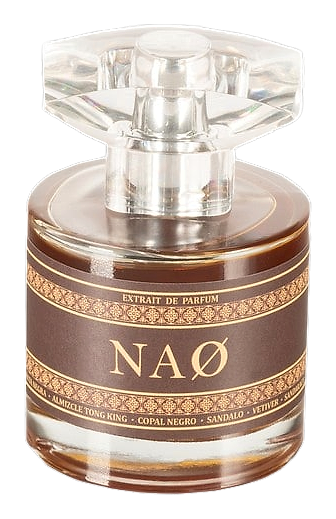
Nao takes its name from the wooden cargo ships that defined Spain's 14th to 16th century maritime golden age. These vessels, carrying up to 500 tons of provisions, barrels, and bales, were built entirely from timber, Biscay oak for the frames, Burgos pine for the planking. Their hulls were sealed with pitch baked from black pine resin blended with cypress resin. Their holds carried apple cider against scurvy, spices leaking from cargo bales, and rum for hard nights at sea. The fragrance is Pablo Emanuel Locascio Poletto's translation of those holds into scent, released from Maese Pau's laboratory. It's less a maritime fantasy than an olfactory cargo manifest, the actual smell of a ship mid-voyage, reconstructed from materials rather than imagination.
What makes Nao distinctive is the literalness of its inspiration. The apple note isn't decorative. It's the cider in the crew's ration barrels. The pepper is cargo spice. The resins, including frankincense from Yemen, Mexican black copal resin, and Moroccan sandarac, sit alongside cedar and sandalwood, grounding the composition in something heavy and architectural. Everything in the formula has a historical referent, which gives the composition an unusual coherence, it reads as one coherent world rather than a note pyramid.
The evolution
The first ten minutes read almost aggressively woody, sandalwood and cedar pushing forward while apple sweetness offers a thin counterweight underneath. Then the resins arrive, and the composition shifts character entirely. Around the 22-minute mark, the wood develops a smoky edge, as if the timber were catching heat from somewhere deep in the hold. By 38 minutes, frankincense and copal become dominant, and the black pepper emerges cleanly, sharp, almost medicinal against the balsamic backdrop. Past the one-hour mark, the wood recedes and the resins take full command. The pepper rounds out into warmth. What remains is a close, drydown that holds resin and oakmoss together, with the composition lingering well into the following hours before finally fading.
Cultural impact
Nao sits comfortably alongside other resin-forward niche releases, but distinguishes itself through its anchoring in a specific historical context, the Spanish nao ship and its actual cargo. Where many incense compositions trade in abstraction, Nao carries a documentary weight, each note tethered to something that would have been physically present on the vessel. That grounding gives it a place among fragrance compositions that treat history as material rather than decoration.