The Story
Why it exists.
The beginning
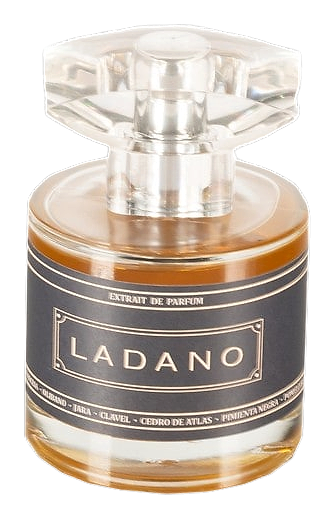
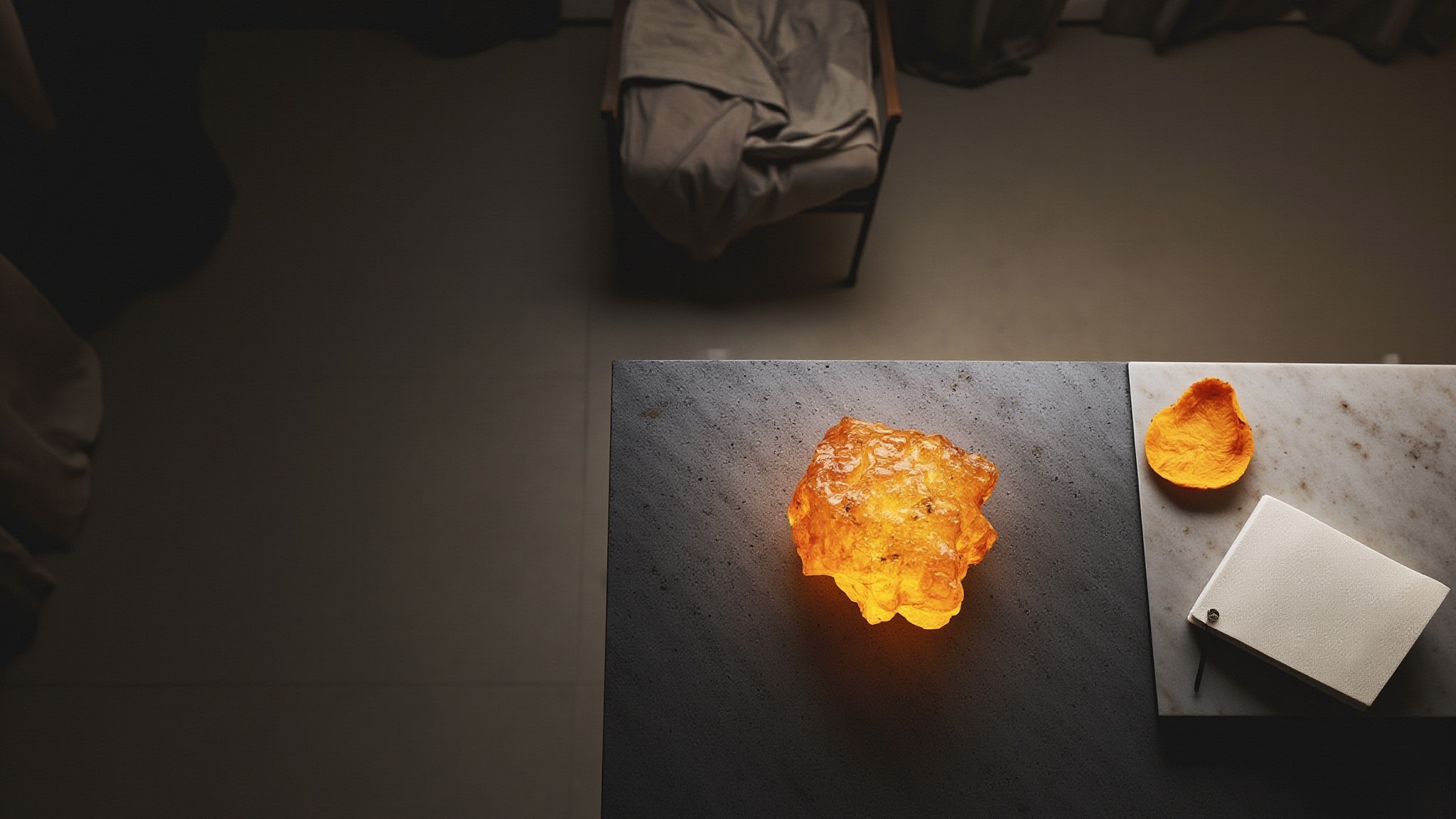
Ladano debuted in 2010 under perfumer Pablo Emanuel Locascio Poletto. Its inspiration came from a story heard in Castile about a costly historical liquor called king's labdanum, attributed to María de Ávila and linked in the tale to King Ferdinand's vigor. That gave the fragrance its name and a distinct historical frame. Maese Pau built the scent around labdanum rather than treating it as a quiet background detail, pairing its warm, resinous weight with citrus, herbs, spice, woods, myrrh and frankincense. The result is an ambered composition intended to hold both elegance and mystery.
What makes Ladano compelling is the friction inside its material palette. Bitter orange and grapefruit bring light, snapping edges, while sage, lavender and clary sage create a cool herbal center. Black pepper and carnation add warmth without turning sweetness on the table. Beneath them, labdanum, guaiac wood, cedar and vetiver build a woody-leathery structure, with myrrh and frankincense supplying resinous depth. The contrast gives the composition its character: citrus brightness meets herbal notes, warm spice and floral detail, then resolves into a dense woody-leathery base.
The evolution
Ladano is built around a varied palette of citrus, herbal materials, flowers, woods and resins. Bitter orange, grapefruit and petitgrain contribute a bright, green quality, while sage and lavender add a cool herbal character. Black pepper brings warmth and a clean edge, and carnation adds a soft floral fold without making the composition overtly sweet. The materials continue into a darker register through labdanum, guaiac wood and vetiver, which support the fragrance's woody-leathery structure. Myrrh, frankincense and cedar add resinous depth, while iris and orris root provide a powdery accent. The composition is defined by the coexistence of contrasting elements: citrus and green notes sit alongside resin, woods and leather-like facets. Amber accords lend warmth to the overall effect, helping the varied materials feel connected.
Cultural impact
Ladano is an aromatic, woody-leathery fragrance built around labdanum and connected to a historical Castilian liquor story. Its composition brings together citrus, herbs, floral notes, resins and woods in a dense but varied palette. The Castilian reference adds a historical dimension to the name and identity of the fragrance, while the contrasting materials invite exploration from different angles: bright and green, herbal and floral, resinous or woody. That combination makes Ladano distinctive within niche and indie fragrance culture and gives it a compelling connection between historical reference and contemporary perfumery.
The House
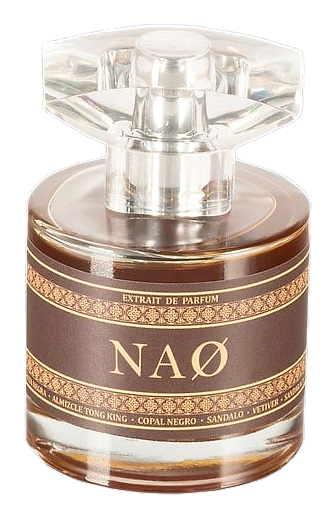
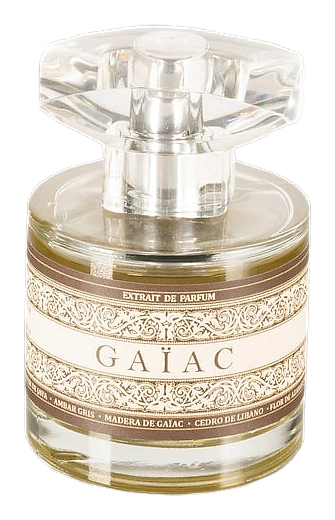
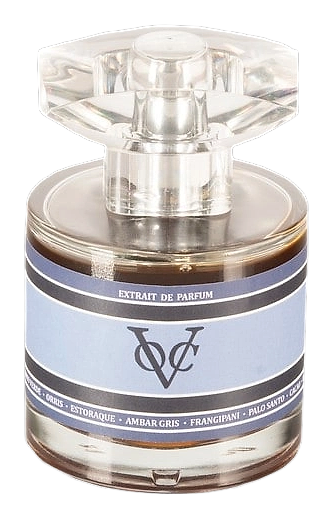
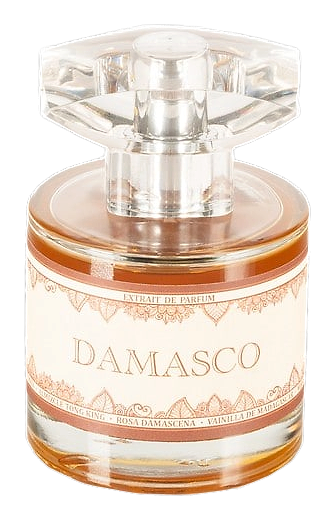
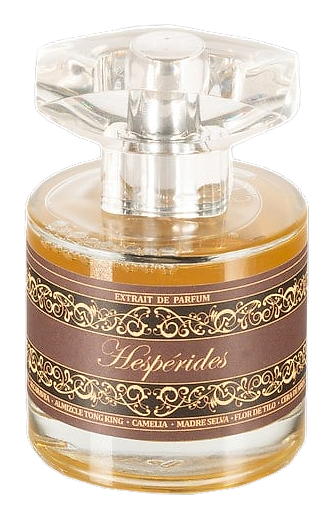
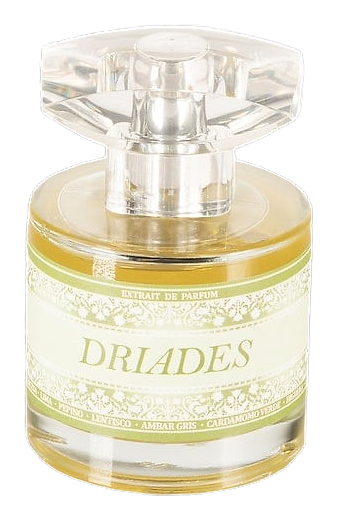
Maese PauMaese Pau crafts natural perfumes in Spain, blending botanical extracts with contemporary sensibility. The house releases scents such as Voc, Ladano, Hesperides, Driades, Gaiac, Damasco, Onyx and Nao, each anchored in a single dominant note yet balanced by supporting accords. Its bottles carry a restrained silhouette, reflecting a minimalist aesthetic that lets the fragrance speak for itself. The brand positions itself at the intersection of artisanal care and modern design, inviting wearers to explore scent as a quiet, personal ritual.
The Creator
Pablo Emanuel Locascio PolettoPablo favors a clean‑cut structure: a bright opening, a smooth transition, and a lingering base that rewards time. He reaches for citrus, green tea, and marine accords to spark the first impression, then layers heart notes of Damascus rose, jasmine, or cardamom to add depth.