The Story
Why it exists.
The beginning
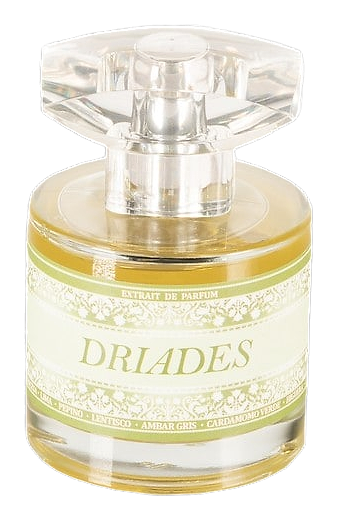
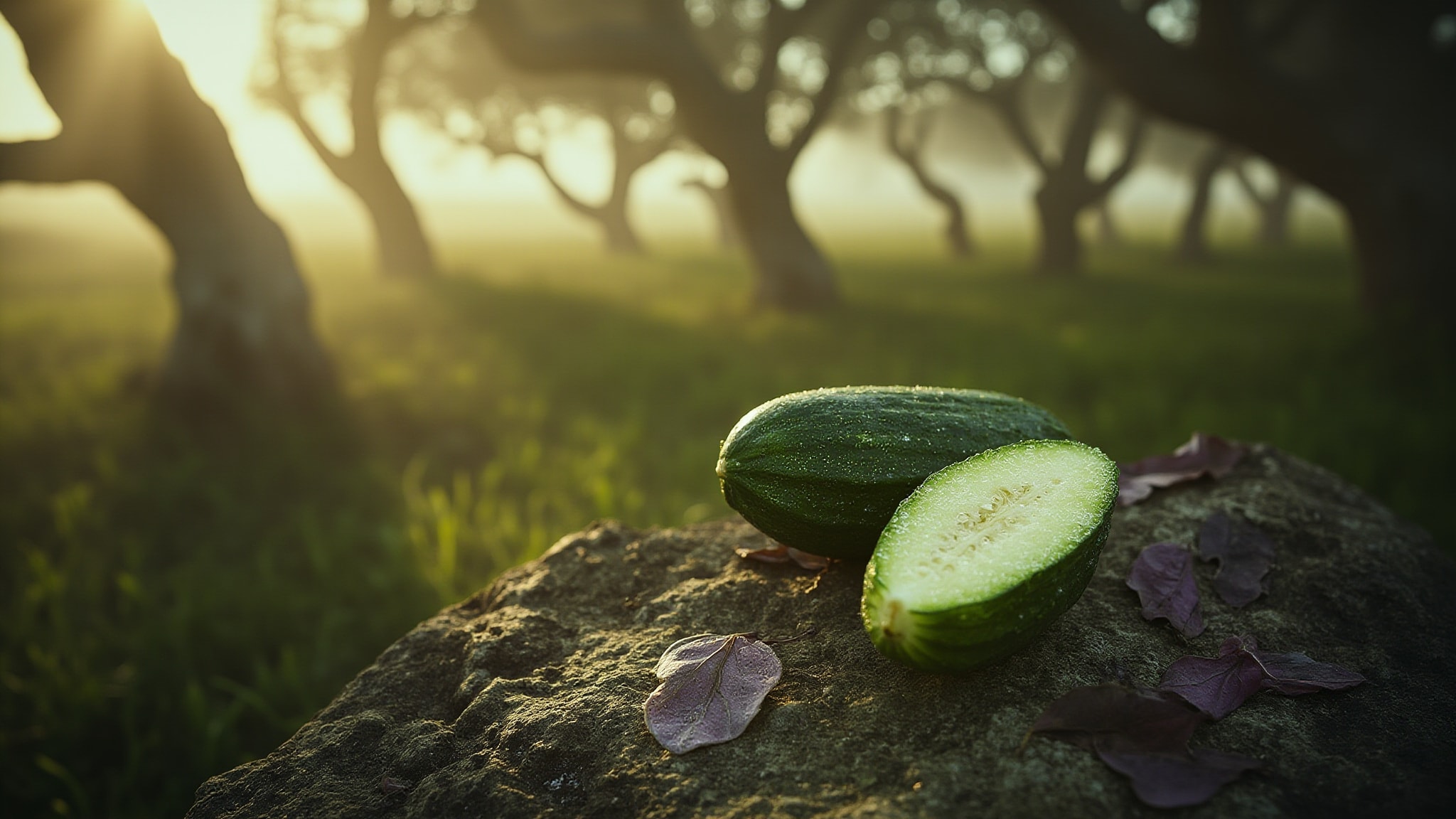
The name says everything. Driades takes its inspiration from the Hamadríade, the dryad, the protective spirit of fig trees in Greek mythology. Maese Pau's perfumer Pablo Emanuel Locascio Poletto spent a summer night in 2006 walking through an orchard near the coast when the breeze carried the scent of mastic and fennel from the beach. He lay down beneath a fig tree, violet leaves scattered around him, and watched the stars slip between the dense foliage. A whisper among the leaves: rest tonight, but remember me tomorrow. That night became Driades, finally released by the Barcelona house in 2024, carrying the memory of that Mediterranean grove.
What makes Driades distinctive is its refusal to choose between cool and warm. The opening is almost clinical in its green clarity, cucumber's water-weight, violet leaf's coolness, lime's brief citrus brightness. Then the heart flips. Gardenia arrives creamy and tropical. Mimosa adds powdery softness. Carnation introduces a spice that shouldn't work near the sea but does. The resinous backbone, mastic, katrafay bark, ambrette seed, prevents either phase from feeling superficial. It's a fragrance that earns its complexity by staging it as a journey, not a list.
The evolution
The opening announces itself quickly: fig leaf and cucumber arrive crisp and immediate, violet leaf lending an almost ozonic lift that reads clean without being sterile. Within minutes, the lime retreats and lavender steps forward, aromatic, slightly medicinal, warm. The handoff takes about fifteen minutes. By the heart phase, gardenia and mimosa have pushed the green notes aside; this is where Driades becomes unmistakably floral. The transition continues into the second hour as mastic resin emerges, lending a Mediterranean tree-bark earthiness. The drydown settles into ambergris and ambrette seed, warm, skin-close, slightly animalic. On most skin types, expect 4-6 hours of presence, with the final phase lingering quietly into the evening.
Cultural impact
The fig tree holds deep symbolic weight across Mediterranean cultures, representing knowledge, abundance, and the passage between seasons. Maese Pau's Driades arrives during a renewed interest in green, ozonic fragrances that merge garden freshness with aquatic clarity. While fig-centric perfumes have existed for decades, the combination of fig leaf with cucumber and violet leaf reflects a modern appetite for recognizable, literal nature notes rather than abstract interpretations. This scent enters a market where consumers increasingly seek gender-neutral options that evoke natural landscapes through straightforward, almost photographic accords.