The Story
Why it exists.
The beginning
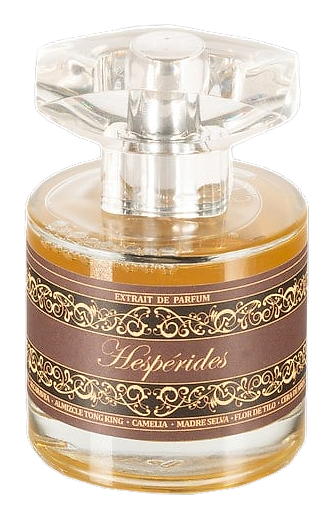
Hesperides takes its name from the nymphs who tended Hera's legendary garden on the Iberian Peninsula, a hidden place where jasmine, honeysuckle, lime blossoms, camellias, golden apples, honey, and guarded cedar trees overlap in myth and scent. Pablo Emanuel Locascio Poletto composed the fragrance in 2007 to evoke that atmosphere: an ideal garden, lush with blossoms and sweet resin, yet protected from ordinary view. The idea gives the perfume its central tension. Citrus brings daylight, while beeswax, woods, vanilla, and musk lend the warmth of something carefully guarded. It isn't a literal basket of fruit. It's the air imagined around that legendary refuge, made vivid through florals, honey, spice, and resinous woods.
The interesting part is how garden variety becomes structure. Honeysuckle, orange blossom, jasmine, camellia, and linden blossom bring different textures of white and yellow flowers, while beeswax makes the brightness feel handled rather than airy. Neroli adds a citrus-floral lift, caraway and nutmeg place warmth beneath the petals, and vanilla keeps the composition creamy. Cedarwood, sandarac, and musk then give the floral heart a drier spine. That combination matters: citrus alone can be a pleasant minute, but here it shares space with wax, resin, spice, and soft woods.
The evolution
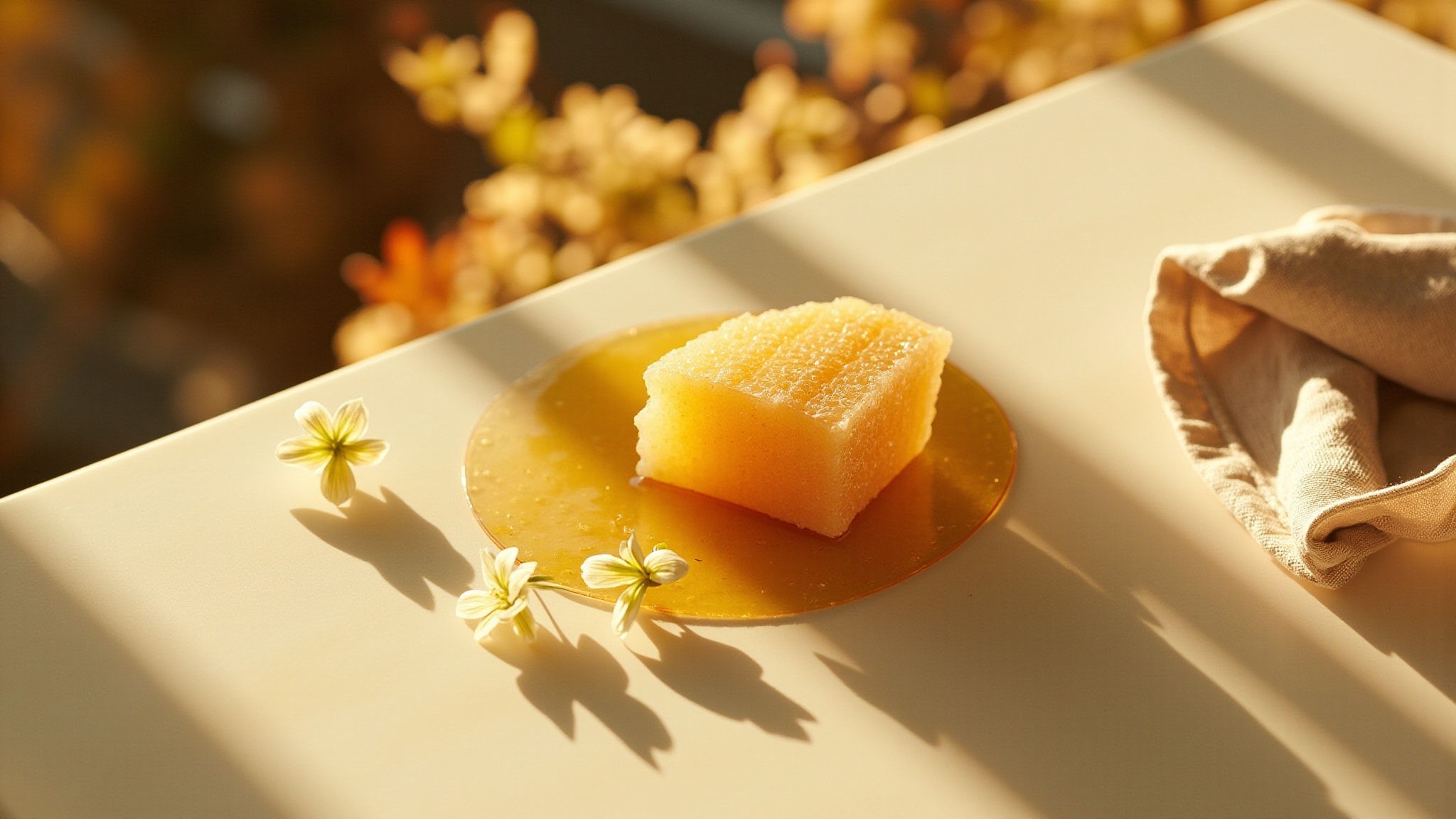
At first, the fragrance reads as a bright garden interrupted by polished citrus. Neroli and bergamot keep the opening lifted, while honeysuckle and orange blossom quickly bring a creamy floral center. Beeswax makes that shift tactile, as though sunlight has caught on warm comb rather than glass. Caraway and nutmeg add a low, clean spice underneath the petals, stopping the floral heart from becoming too sweet. As the day moves along, camellia, jasmine, and linden blossom soften into a rounded white-floral veil. The scent then gathers itself: cedarwood gives it structure, sandarac adds a resinous edge, and vanilla settles the base into something creamy. Musk keeps the finish close and skinlike. After roughly 4-6 hours, the brightest citrus has receded, leaving a polished trail of powdery flowers, beeswax, resin, and soft woods. The final impression is less a fresh garden and more the scent gathered on a sleeve after passing through it.
Cultural impact
Hesperides sits in the niche fragrance world where mythological naming and botanical storytelling shape the experience of scent. Its garden concept draws on the Hesperides myth, while the unisex floral profile gives it a broad place among modern niche compositions. The fragrance is especially suited to people who enjoy luminous florals with a polished, distinctive finish rather than a simple fresh-citrus reading.
The House
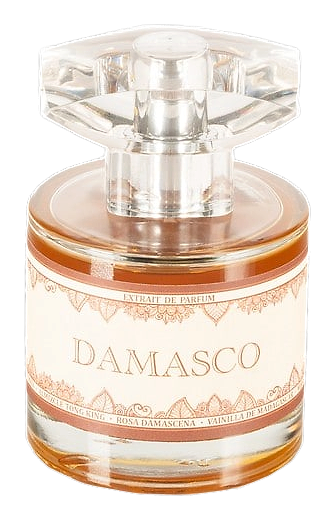
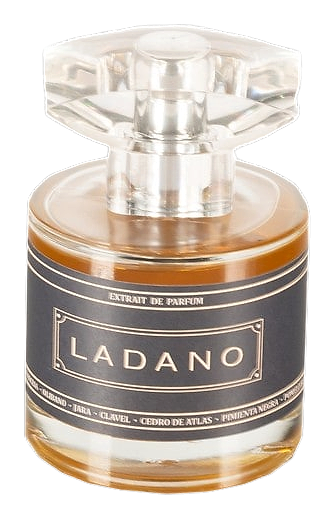
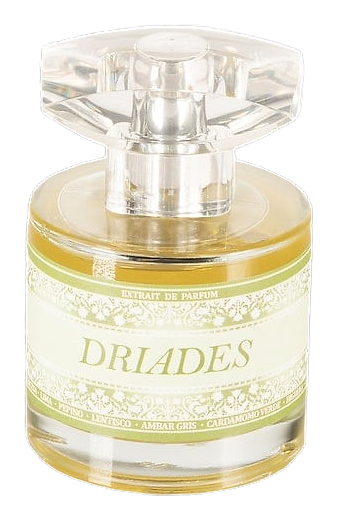
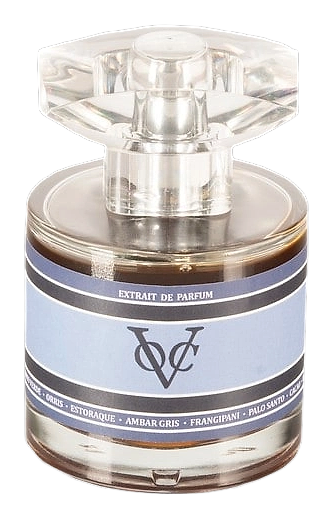
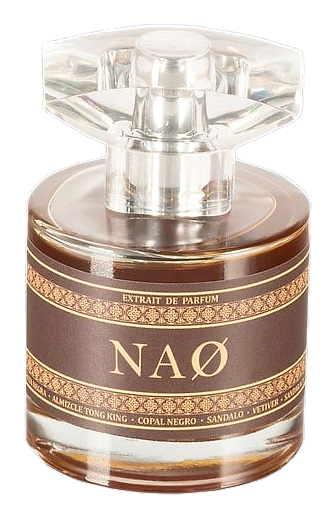
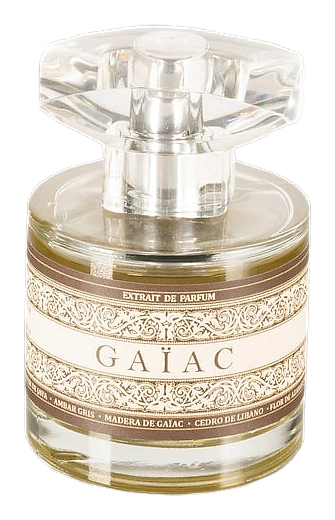
Maese PauMaese Pau crafts natural perfumes in Spain, blending botanical extracts with contemporary sensibility. The house releases scents such as Voc, Ladano, Hesperides, Driades, Gaiac, Damasco, Onyx and Nao, each anchored in a single dominant note yet balanced by supporting accords. Its bottles carry a restrained silhouette, reflecting a minimalist aesthetic that lets the fragrance speak for itself. The brand positions itself at the intersection of artisanal care and modern design, inviting wearers to explore scent as a quiet, personal ritual.
The Creator
Pablo Emanuel Locascio PolettoPablo favors a clean‑cut structure: a bright opening, a smooth transition, and a lingering base that rewards time. He reaches for citrus, green tea, and marine accords to spark the first impression, then layers heart notes of Damascus rose, jasmine, or cardamom to add depth.