The Story
Why it exists.
The beginning
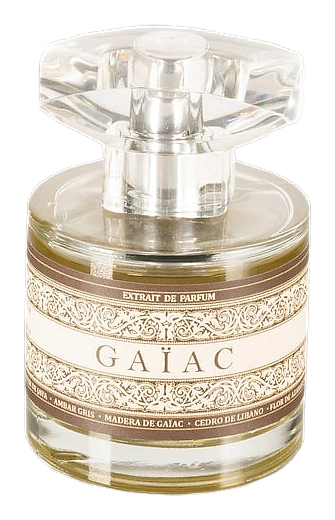
Gaiac was launched in 2003 by Maese Pau, with Pablo Emanuel Locascio Poletto credited as its perfumer. Its name points to the wood that gives the composition its character, while the listed notes include natural gaiac wood and cedar within an elegant aroma. The result feels guided by a single dominant material rather than built for sheer volume. Gaiac began as an early expression of the house's restrained philosophy: let a distinctive botanical ingredient speak clearly, then shape it with florals, woods, and subtle warmth. That clarity still defines its character today.
The unusual part of Gaiac is how many textures gather around one woody idea without losing its clarity. Gaiac wood brings resinous depth, cedar adds structure, and vetiver and amyris lend dry, earthy edges. Against that foundation, orange blossom, linden blossom, neroli, lavender, and violet leaf introduce a cool floral lift. Ambrette, sandalwood, and ambergris add further nuance to the wood. The result isn't a simple woody scent. It's a conversation between polished hardwood and open-air flowers, with enough subtlety to feel intimate and enough character to remain distinct.
The evolution
Gaiac's listed notes combine fresh aromatic elements, floral notes, and a woody foundation. Lavender, violet leaf, and neroli contribute a cool lift, while linden blossom and orange blossom add a white-floral character. Ambrette adds a musky warmth. The composition then settles into a more composed register, with gaiac wood, cedar, sandalwood, vetiver, and amyris providing resinous depth and dry structure. As the bright passages fade, woody and musky elements linger close to the skin. Ambergris gives the drydown a clean, faintly salty softness rather than a heavy sweetness. Gaiac reads as elegant and close-fitting, leaving a polished trace that respects the space around the wearer.
Cultural impact
Gaiac's character comes from the meeting point of its natural ingredients. Gaiac wood and cedar provide the woody structure, while vetiver and amyris add dry, earthy edges. Orange blossom, linden blossom, neroli, lavender, and violet leaf contribute a floral lift, and ambrette, sandalwood, and ambergris add further nuance. The result is a distinctive floral-woody composition with enough depth to reward a closer look.
The House
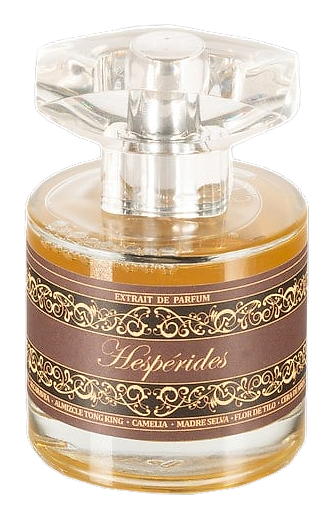
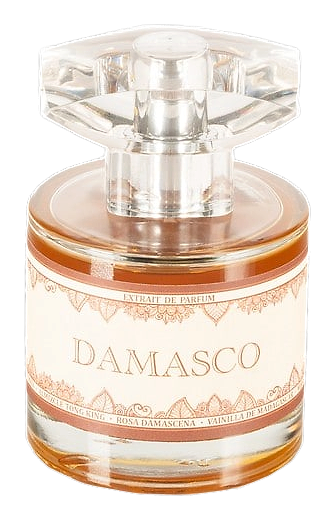
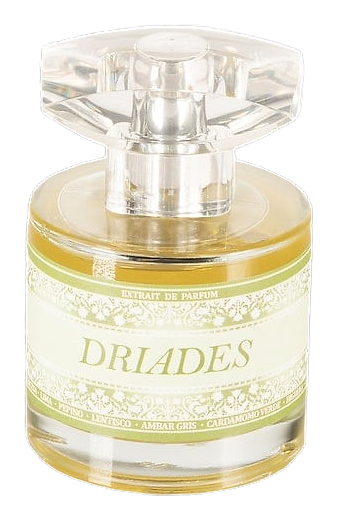
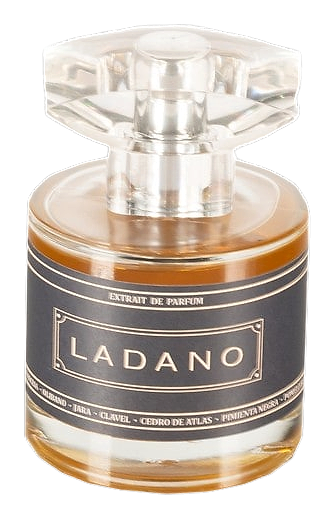
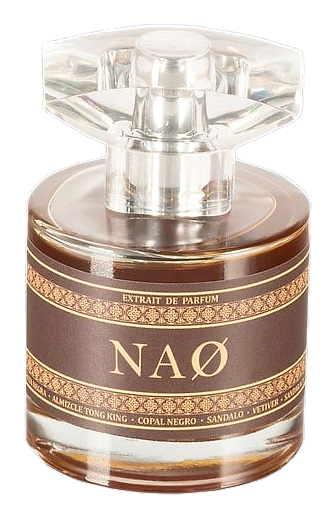
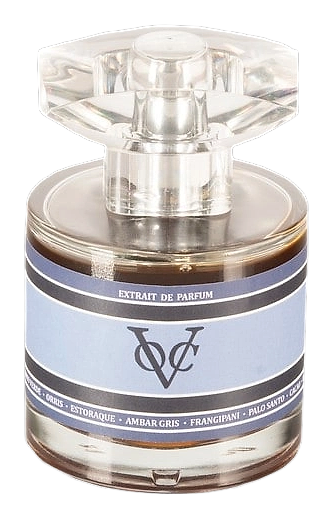
Maese PauMaese Pau crafts natural perfumes in Spain, blending botanical extracts with contemporary sensibility. The house releases scents such as Voc, Ladano, Hesperides, Driades, Gaiac, Damasco, Onyx and Nao, each anchored in a single dominant note yet balanced by supporting accords. Its bottles carry a restrained silhouette, reflecting a minimalist aesthetic that lets the fragrance speak for itself. The brand positions itself at the intersection of artisanal care and modern design, inviting wearers to explore scent as a quiet, personal ritual.
The Creator
Pablo Emanuel Locascio PolettoPablo favors a clean‑cut structure: a bright opening, a smooth transition, and a lingering base that rewards time. He reaches for citrus, green tea, and marine accords to spark the first impression, then layers heart notes of Damascus rose, jasmine, or cardamom to add depth.