Sandarac
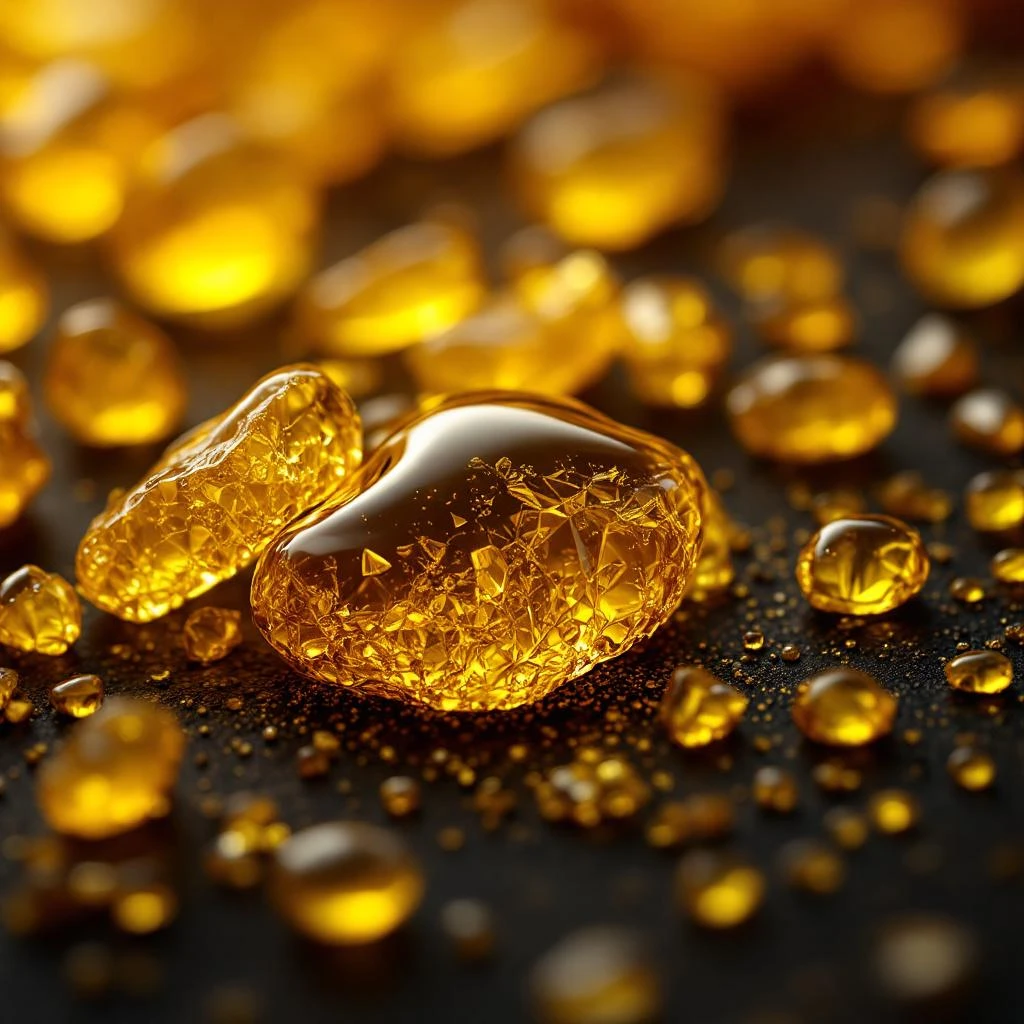
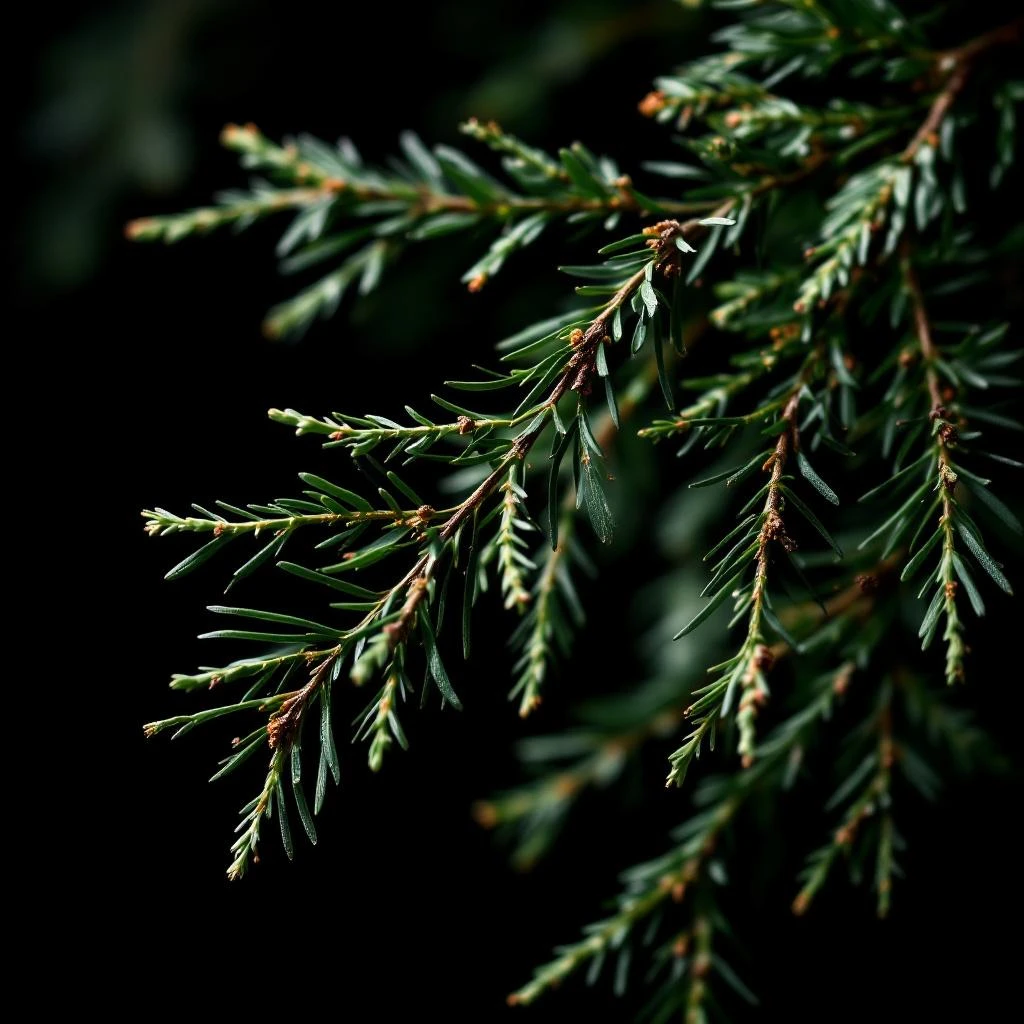
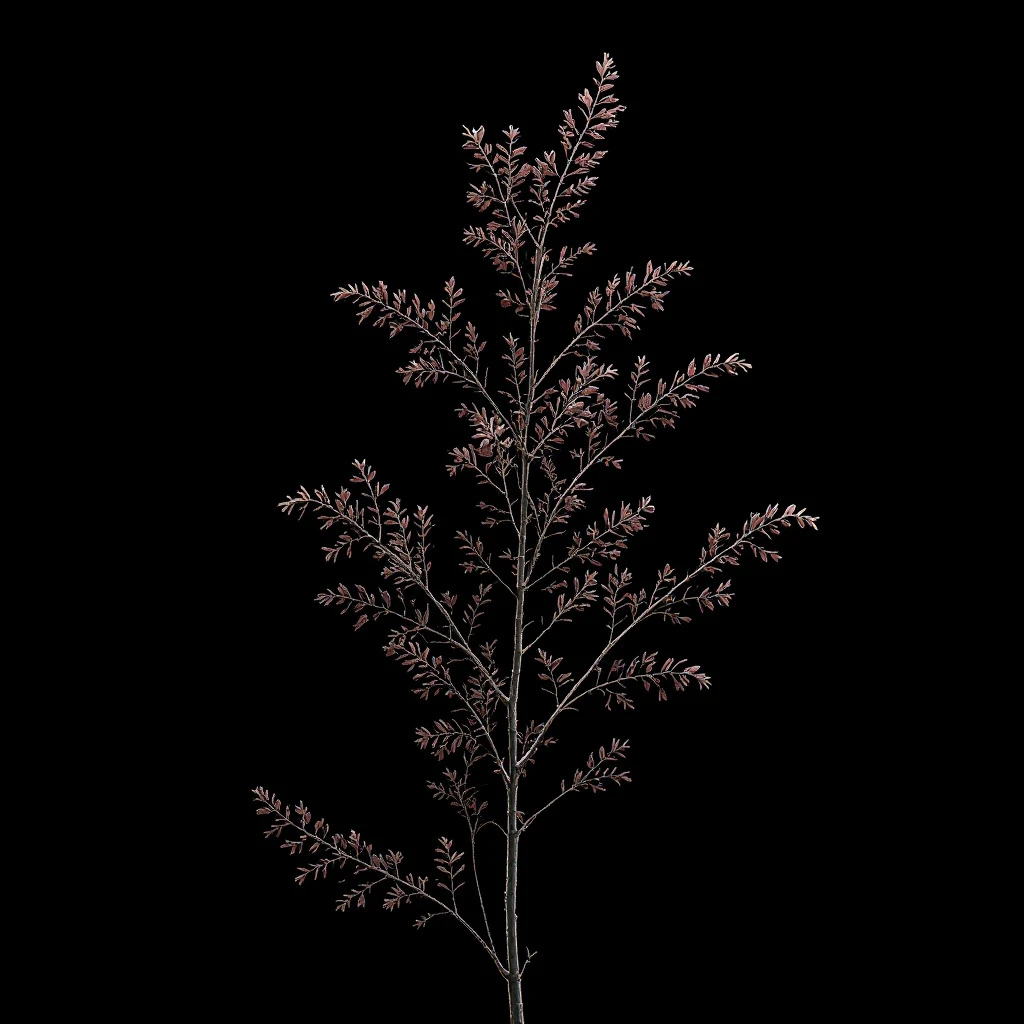
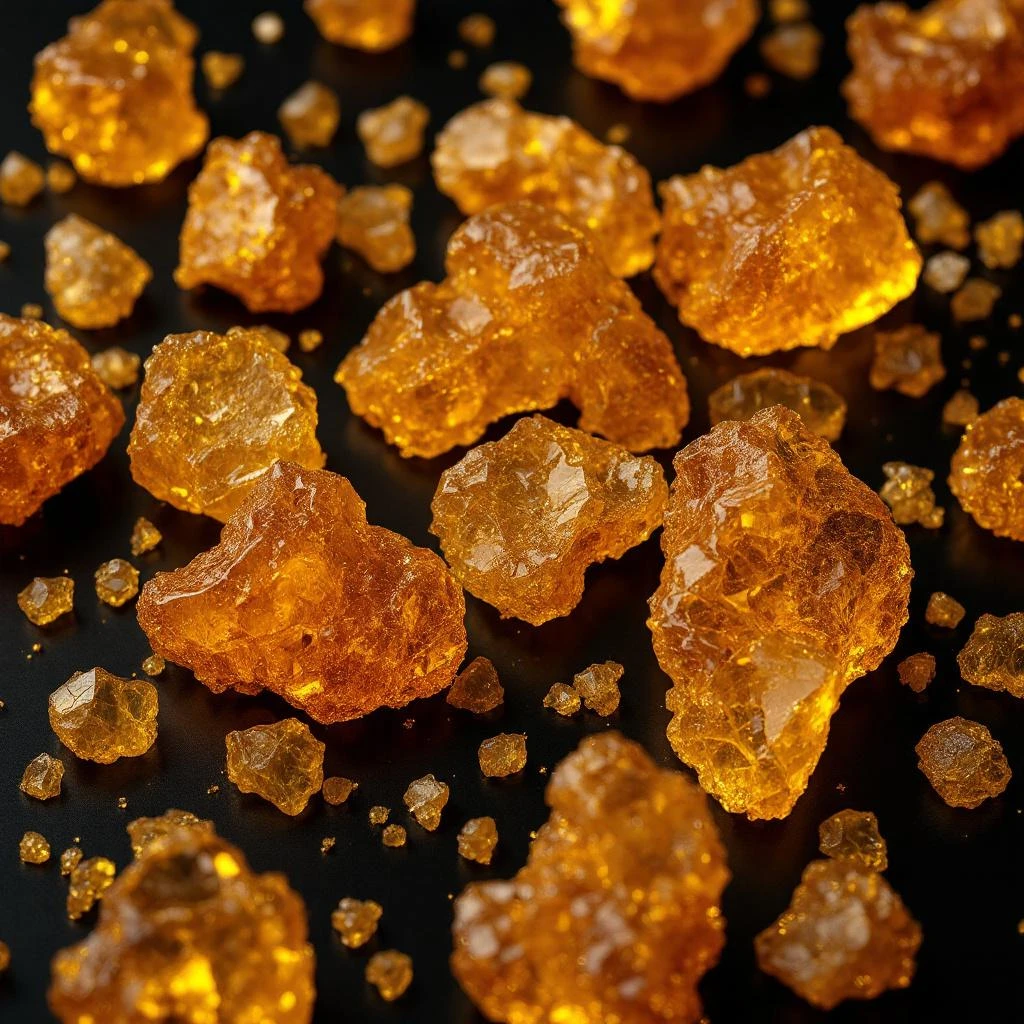
A brittle, golden resin from North African alerce trees, sandarac releases a warm, balsamic scent with subtle citrus and pine facets when warmed or dissolved.

Character
How it smells
Golden resin with quiet, ancient warmth
Sandarac resin was historically chewed like gum in ancient Greece and Rome, valued for freshening breath long before toothpaste existed.

Origin
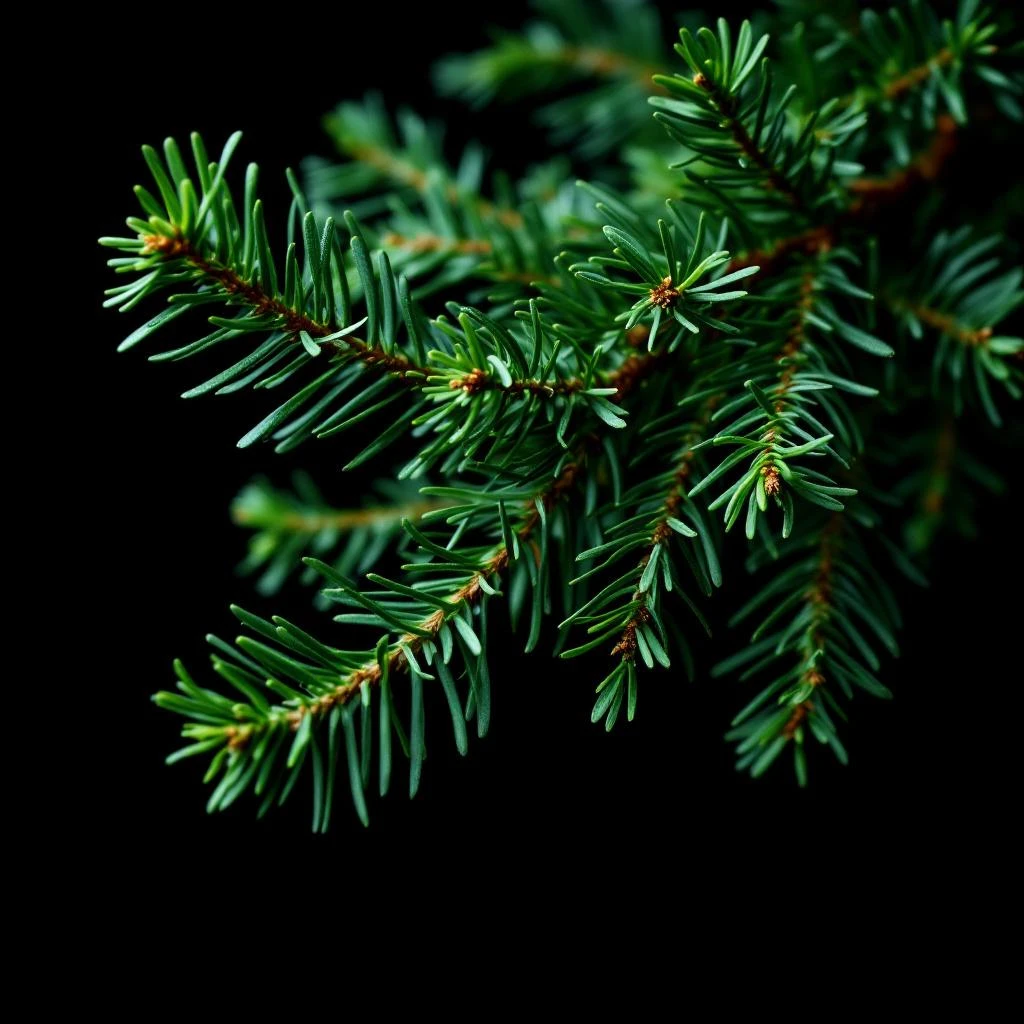
Morocco
Sandarac resin, called "sandaracha" by Pliny the Elder, traveled the ancient Mediterranean as a prized commodity long before it scented perfume. Egyptian craftsmen powdered it to make the yellow pigment known as orpiment substitute in illuminated manuscripts and icon panels.
The Greeks and Romans chewed the resin for dental hygiene, while Arab physicians in medieval Andalusia documented it in medical treatises for respiratory complaints. By the Middle Ages, sandarac varnish protected wood and parchment across European scriptoriums, coating the very pages that preserved classical knowledge.
Its aromatic use expanded during the 19th century when European perfumers, seeking alternatives to scarce myrrh and frankincense, incorporated the resin into incense-style compositions and chypre bases. Today, sandarac remains a niche ingredient, prized by perfumers building historical reconstructions and resin-forward compositions.
Wears it best
Fragrances featuring Sandarac
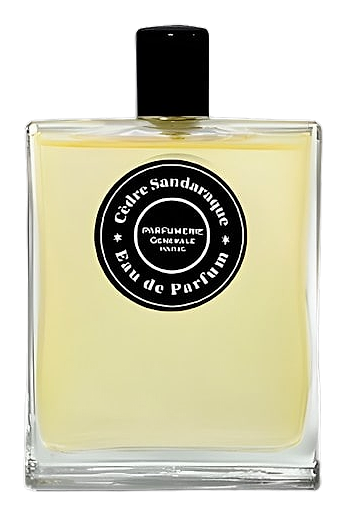
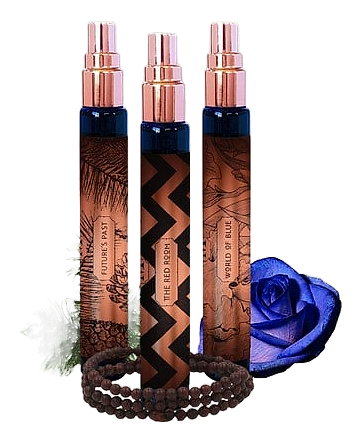


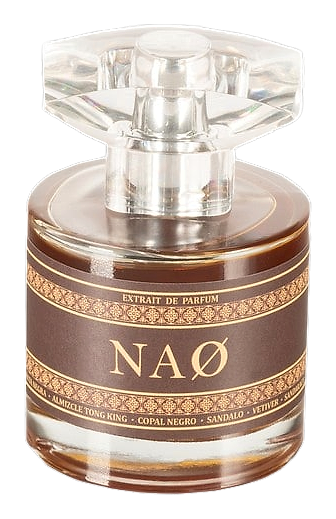
Brands
Brands known for Sandarac
Good to know
Questions, answered
The essentials on Sandarac in perfumery: how it smells, where it comes from, and how it behaves on skin.
What does sandarac smell like?
Sandarac resin produces a warm, balsamic scent with piney top notes, soft citrus facets, and a dry, woody undertone. It smells sharper and brighter than myrrh, with less medicinal weight and a faintly smoky finish.
Is sandarac the same as sandalwood?
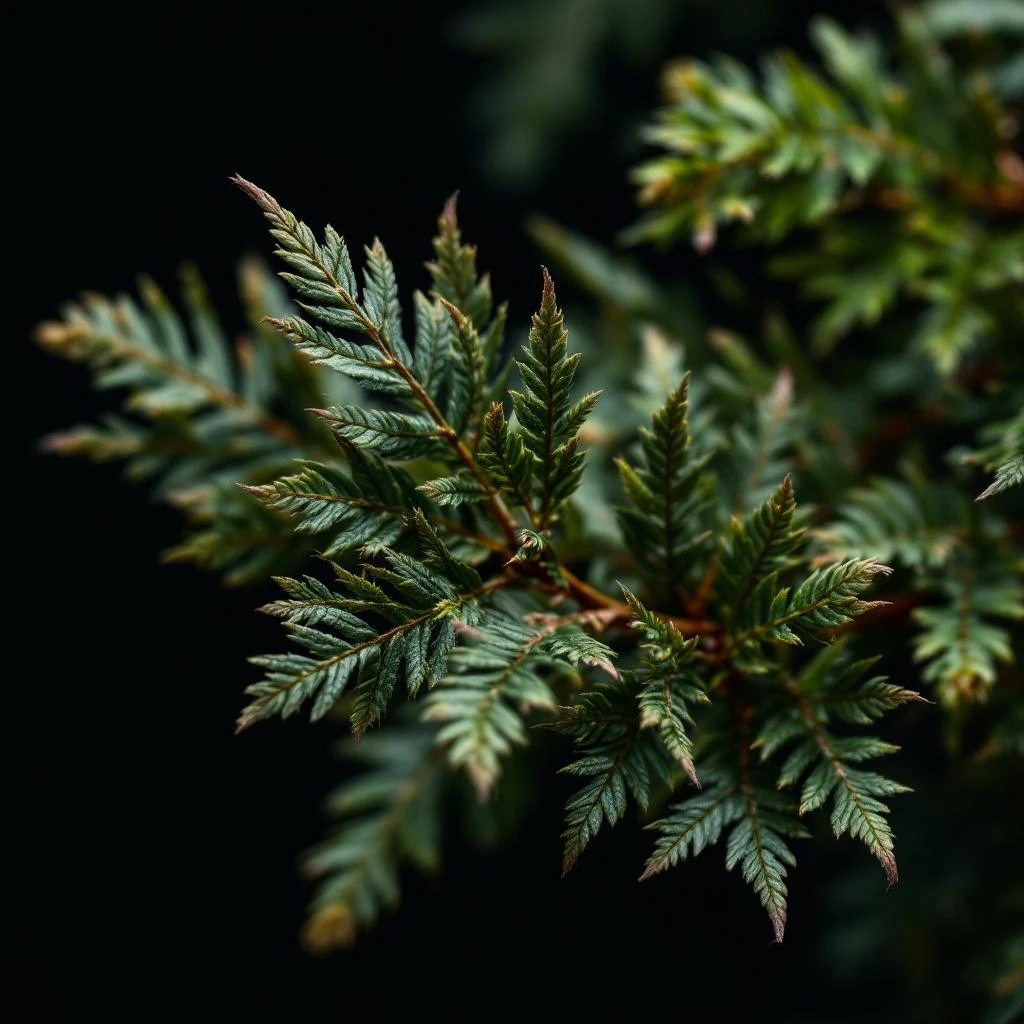
No. Sandarac is a tree resin from the North African Tetraclinis articulata, while sandalwood is a heartwood from the Santalum genus. Their names sound alike but their botanical origins, extraction methods, and scent profiles differ substantially.
Where does sandarac resin come from?
Sandarac resin is harvested primarily in Morocco, particularly from the Atlas Mountains and northern coastal forests. The conifer Tetraclinis articulata also grows in Algeria and Tunisia, though Moroccan supplies dominate perfumery-grade exports.
How is sandarac resin extracted for perfume?
The resin is dissolved in ethanol to produce a tincture, releasing its aromatic compounds gradually. Occasionally dry distillation yields a smokier oil used in incense accords and leather-based compositions.
Why was sandarac used historically?
Ancient civilizations valued sandarac for dental hygiene, pigment-making, and manuscript varnish. Its entry into perfumery came later, when 19th-century perfumers sought warm resin notes alongside myrrh and frankincense.
Is sandarac resin rare?
Genuine sandarac remains uncommon in modern perfumery because harvests depend on wild trees and seasonal conditions. Annual yields fluctuate with rainfall, keeping the material in limited supply compared to mainstream resins.
What perfume families use sandarac?
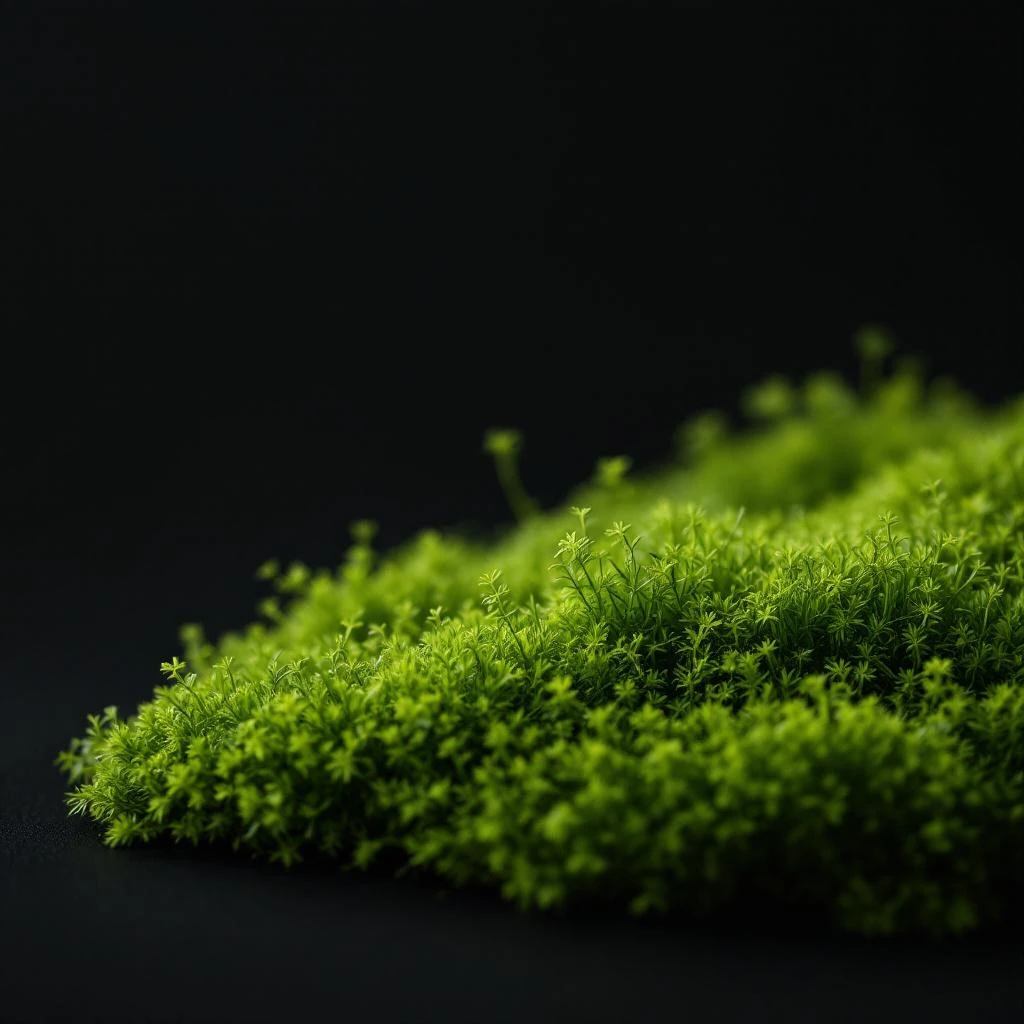
Sandarac appears in resin-focused compositions, incense-style fragrances, and chypre bases where its bright, piney character complements oakmoss, labdanum, and citrus elements.
Can sandarac resin be chewed like natural gum?
Historically yes. Greeks and Romans chewed sandarac for breath freshening, though modern perfumery-grade resin is processed for scent extraction and not intended for oral use.