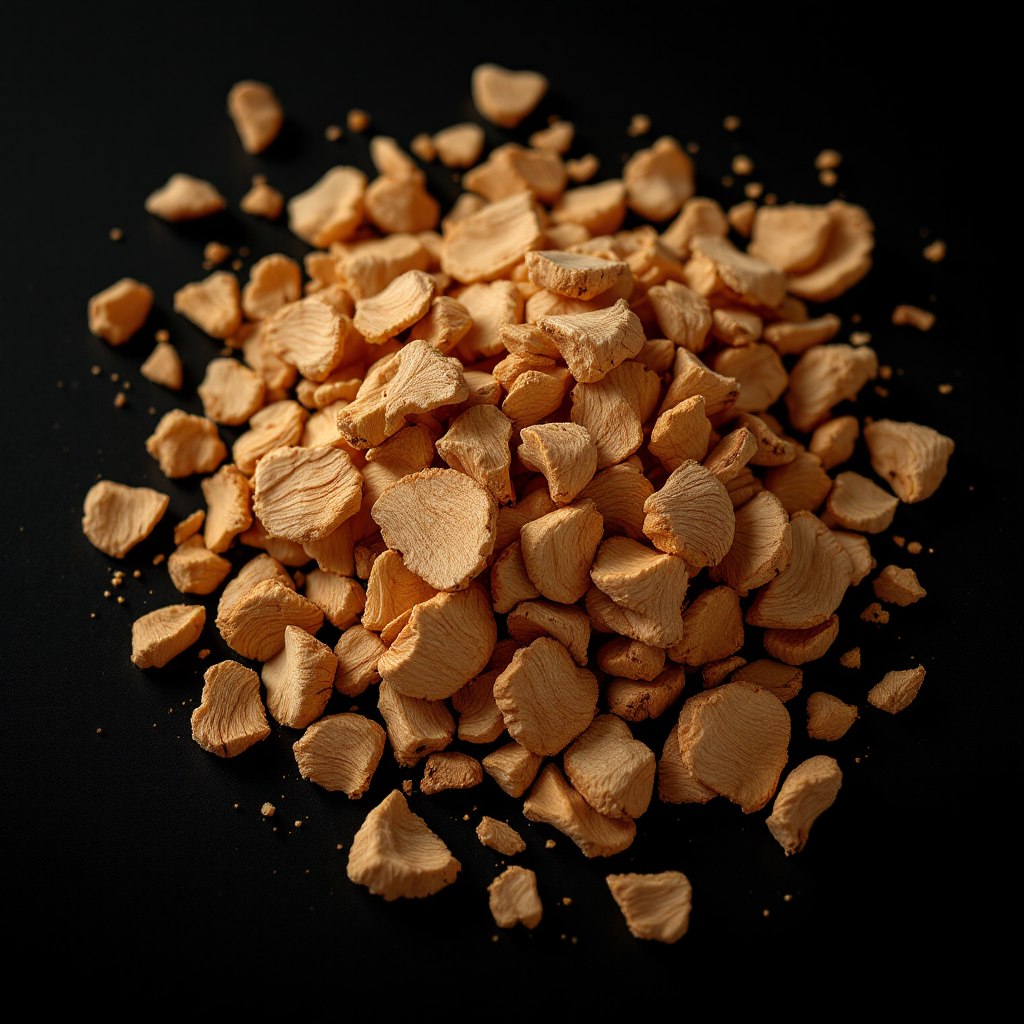
Tamarack
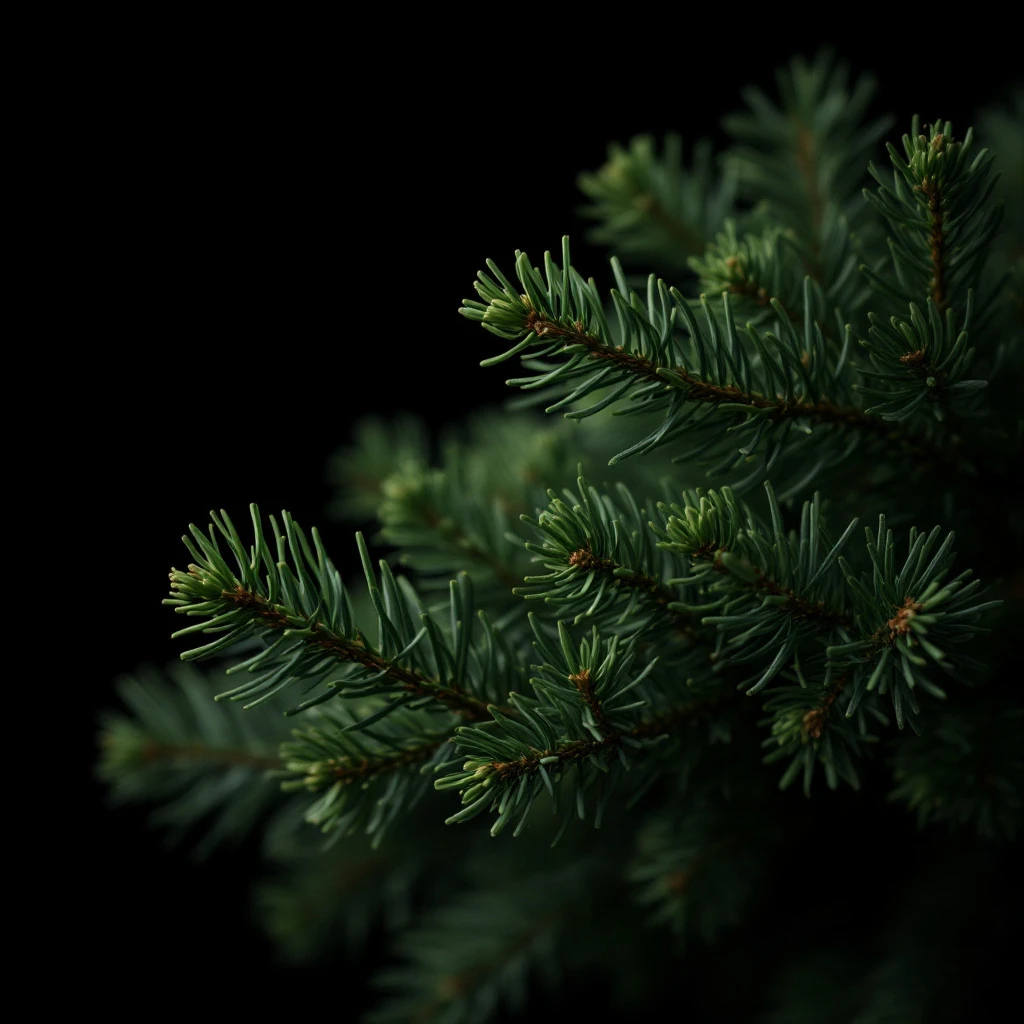
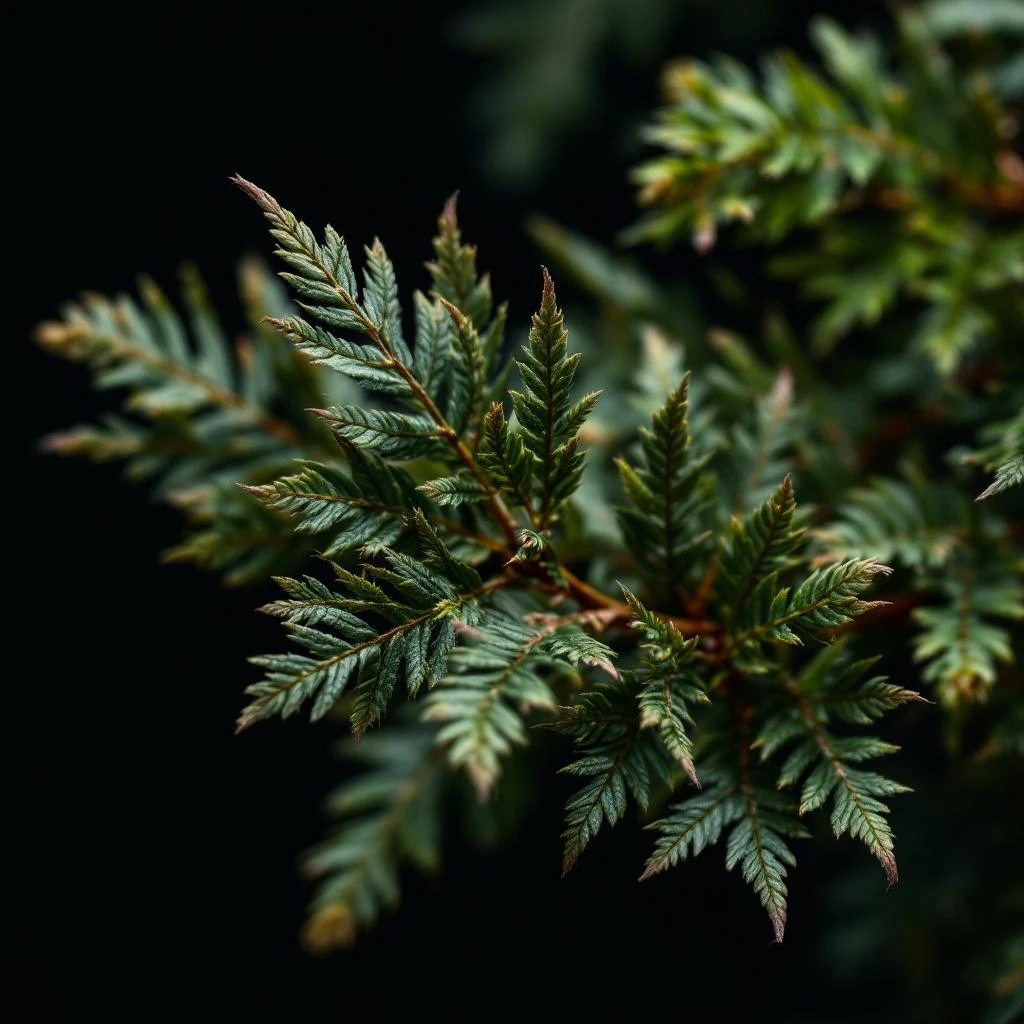
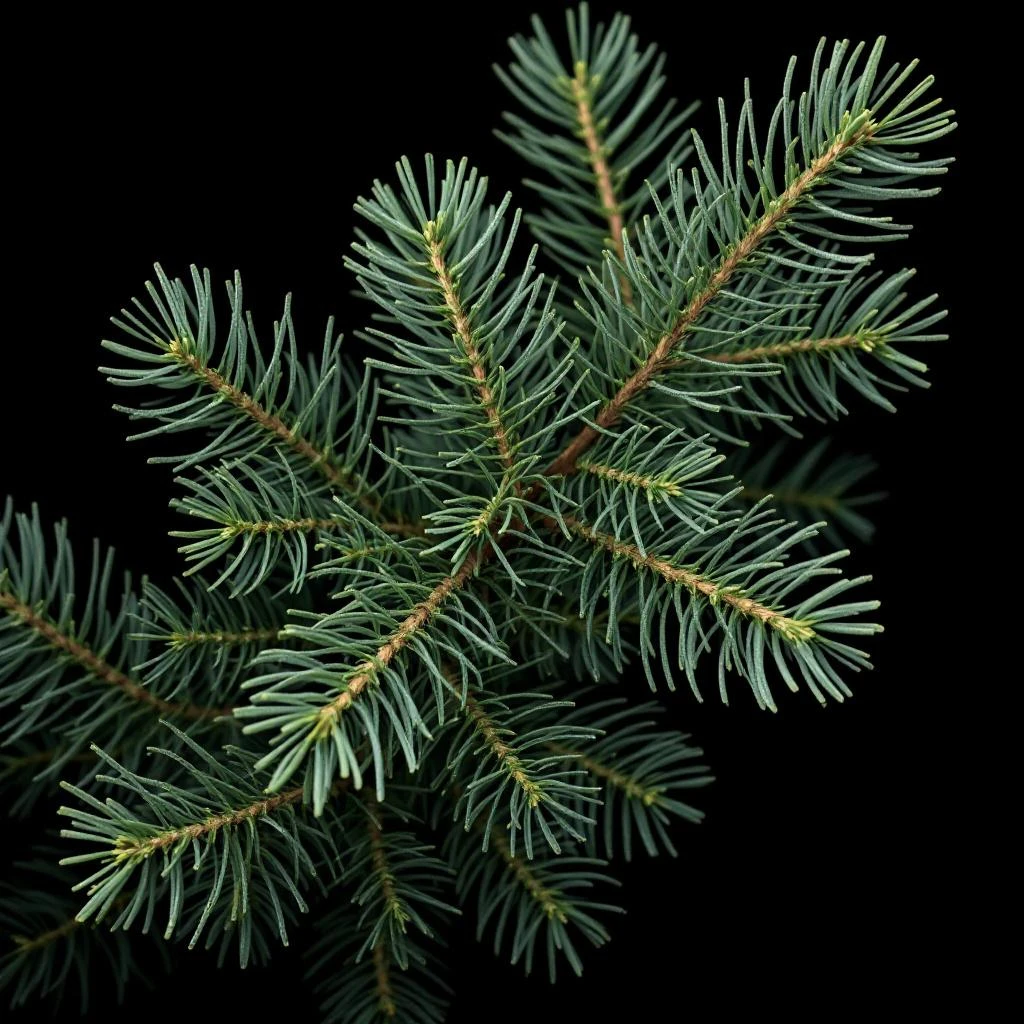
Tamarack brings crisp boreal forest air with a resinous heart. This North American conifer delivers sharp needle freshness, warm amber undertones, and clean evergreen character that grounds fragrances in wilderness.
Character
How it smells
Boreal freshness, northern soul.
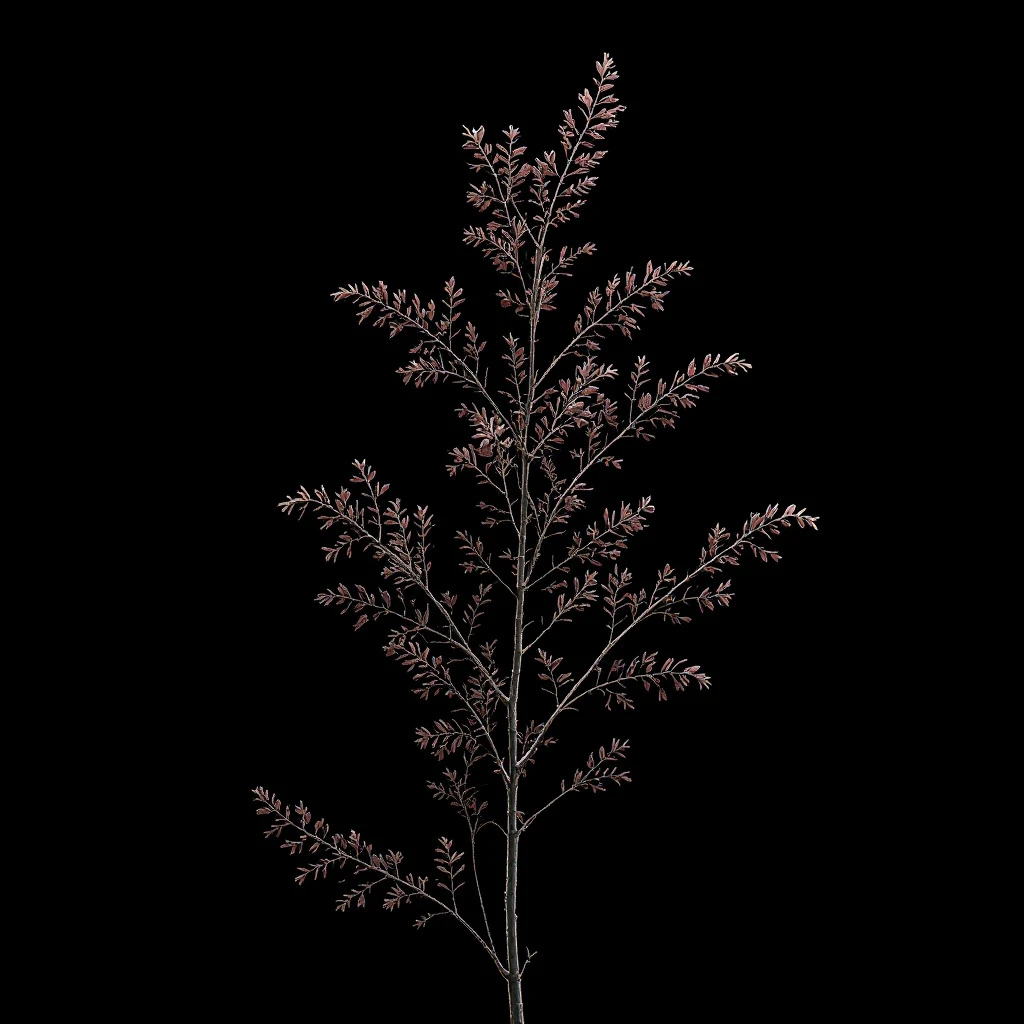
Unlike most conifers, tamarack sheds its needles every fall, turning northern forests brilliant gold before winter arrives.


Origin
Canada
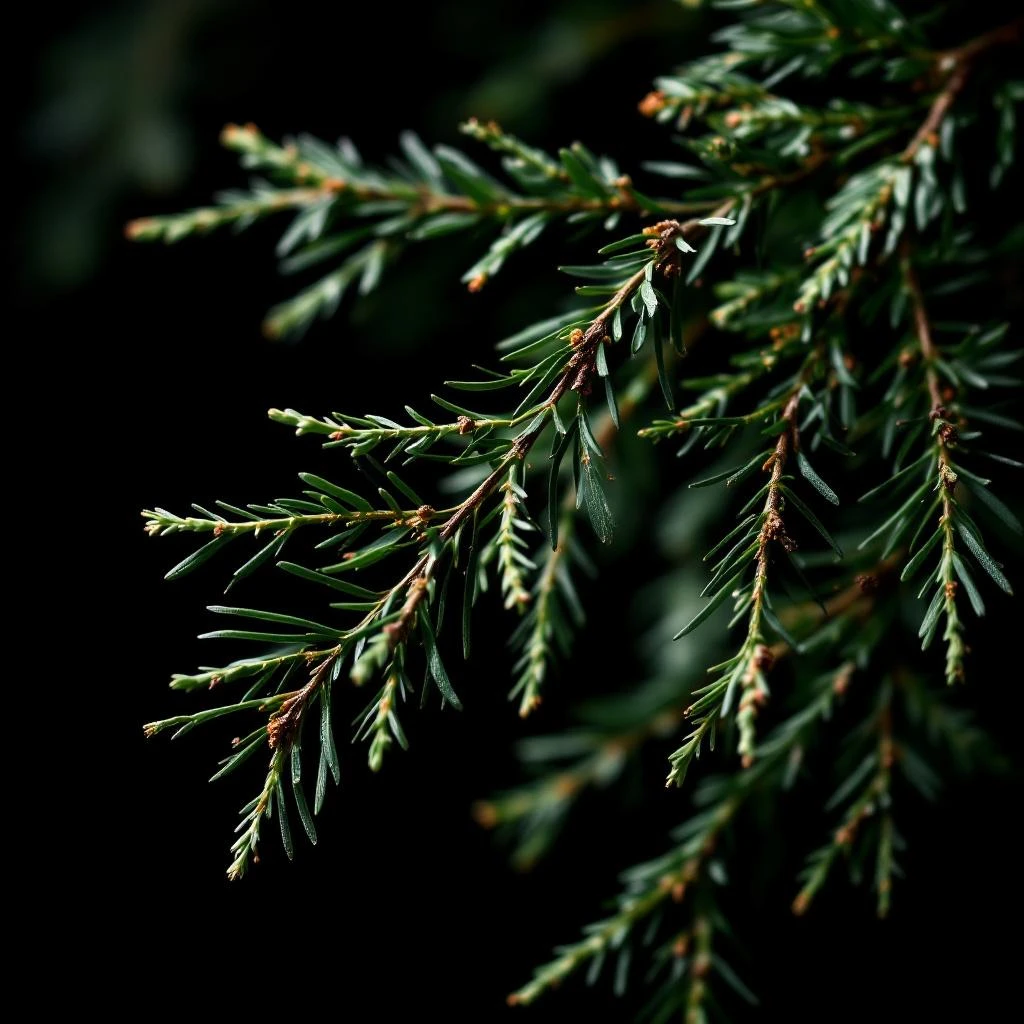
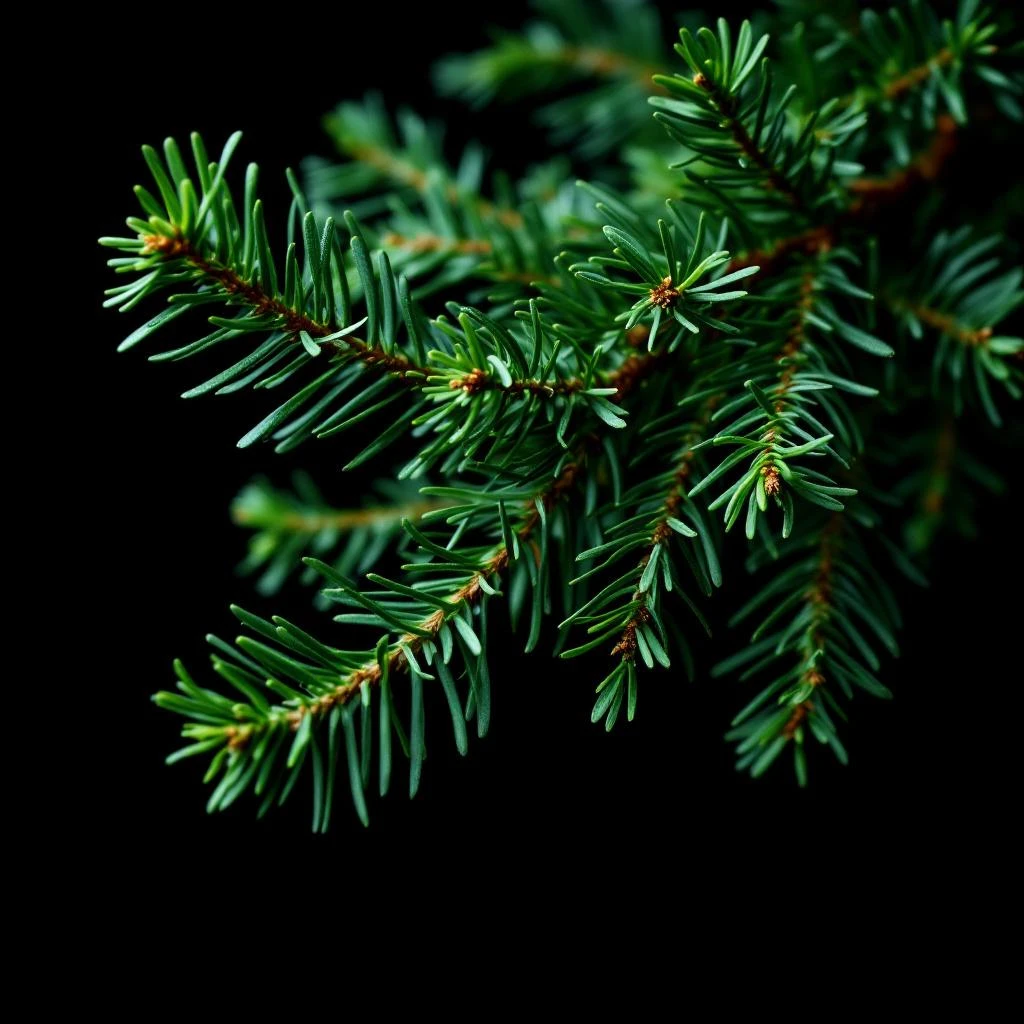
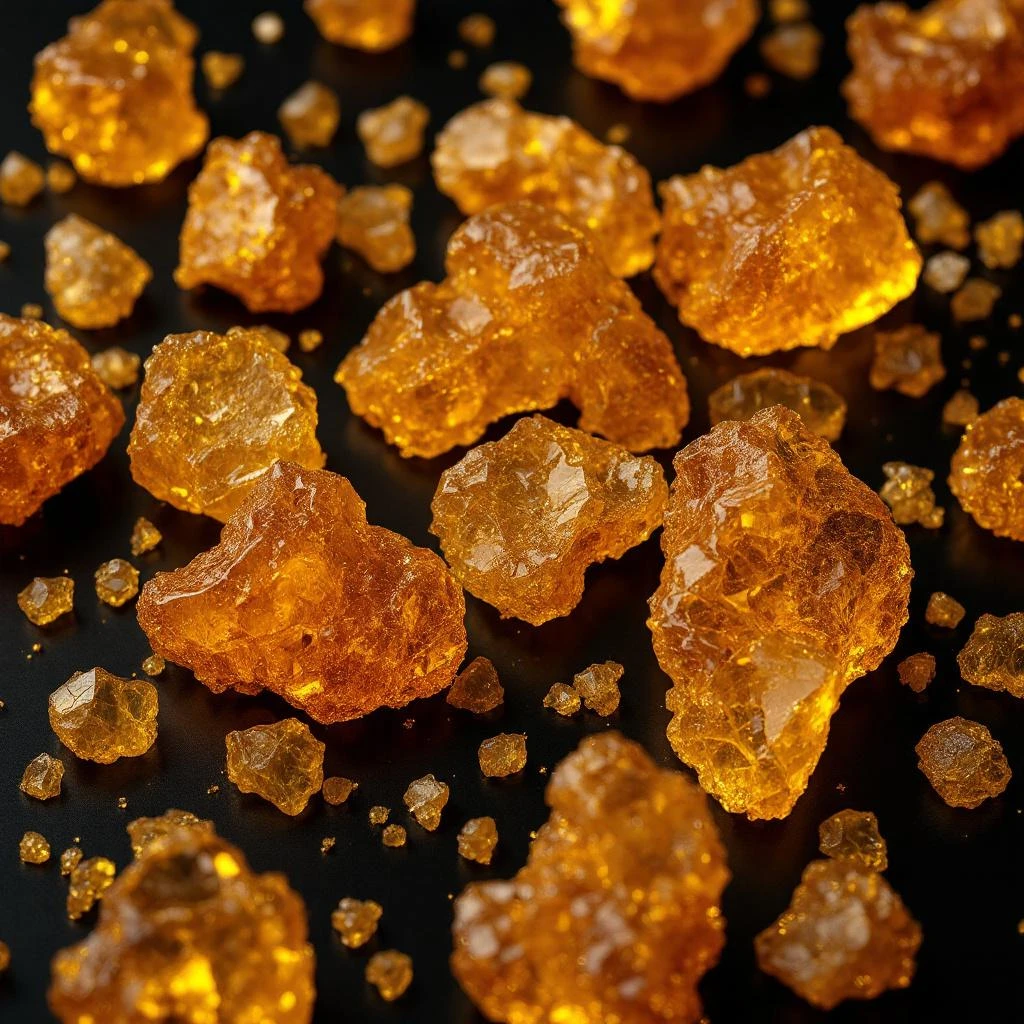
Indigenous peoples of the northern forests used tamarack bark and resin for medicinal purposes long before European settlers arrived. The name tamarack derives from the Algonquian word akemantak, meaning wood used for snowshoes. Early settlers recognized the tree's resilience in harsh climates, planting it for erosion control and timber.
While tamarack never achieved the commercial status of cedar or sandalwood in perfumery, North American fragrance makers began exploring its oil potential in the mid-20th century as interest in regional botanical ingredients grew. Today it represents a distinctly Canadian and Alaskan contribution to the perfumer's palette, valued for capturing the scent of pristine northern wilderness.
Wears it best
Fragrances featuring Tamarack
Brands
Brands known for Tamarack
Good to know
Questions, answered
The essentials on Tamarack in perfumery: how it smells, where it comes from, and how it behaves on skin.
What does tamarack smell like in fragrance?
Tamarack delivers fresh coniferous notes with sharp pine needle character. It carries subtle resinous warmth and slightly sweet undertones that distinguish it from more common evergreen materials.
Is tamarack oil commonly used in perfumery?
Tamarack remains a relatively rare perfumery ingredient. Small-batch Canadian and Alaskan distillers produce it, and it appears mainly in niche fragrances emphasizing North American botanical themes.
How is tamarack oil extracted?
Producers use steam distillation on tamarack needles and young twigs. This method pulls volatile aromatic compounds from the plant material using pressurized steam, then separates the oil during condensation.
What distinguishes tamarack from other conifer oils?
Unlike evergreen trees that retain foliage year-round, tamarack is deciduous. This unique trait may contribute distinctive volatile compounds not found in traditional pine or spruce oils.
Where does tamarack grow?
Tamarack ranges across Canada and Alaska, extending into the northern United States. It thrives in cold, wet boreal forests and boggy areas where few other trees survive.
Can tamarack be synthetically replicated?
Some conifer aroma molecules like pinene or bornyl acetate appear in tamarack, but a complete synthetic recreation capturing its full character does not currently exist.
What fragrance families pair well with tamarack?
Tamarack works naturally with other conifer notes like spruce, fir, and cedar. It also complements aromatic herbs, resinous materials, and fresh green or aquatic accords.
Does tamarack appear in natural or organic fragrances?
Yes. Small-batch natural perfumers in North America increasingly feature tamarack as a regional botanical that supports local sourcing and sustainable supply chains.