Douglas fir
A crisp, living forest captured in oil. Douglas fir delivers sharp evergreen top notes with a clean, resinous heart and subtle balsamic warmth, bringing the Pacific Northwest into every composition.
Character
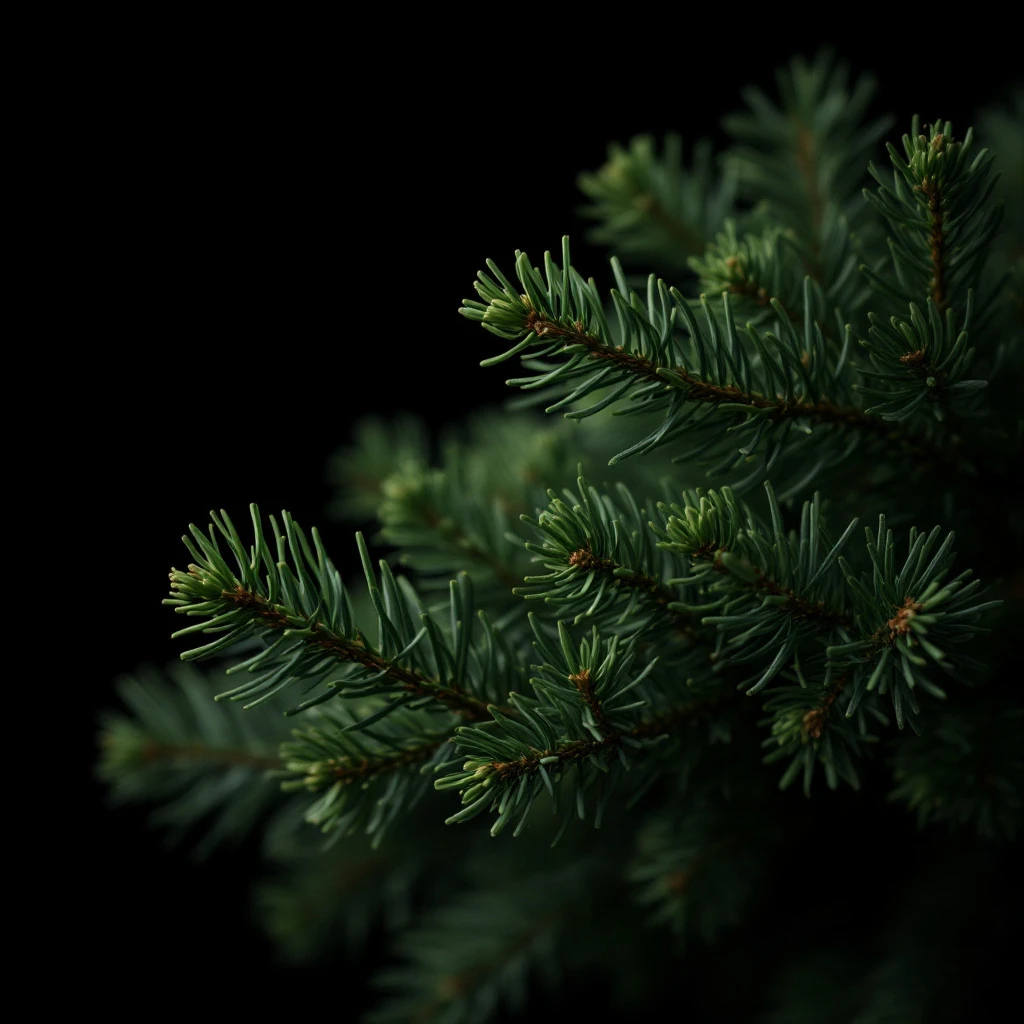
How it smells
The sharp, clean scent of the living forest.
The tree honors David Douglas, the Scottish botanist who collected its seeds in the Pacific Northwest during the 1820s, distributing them worldwide.






Origin
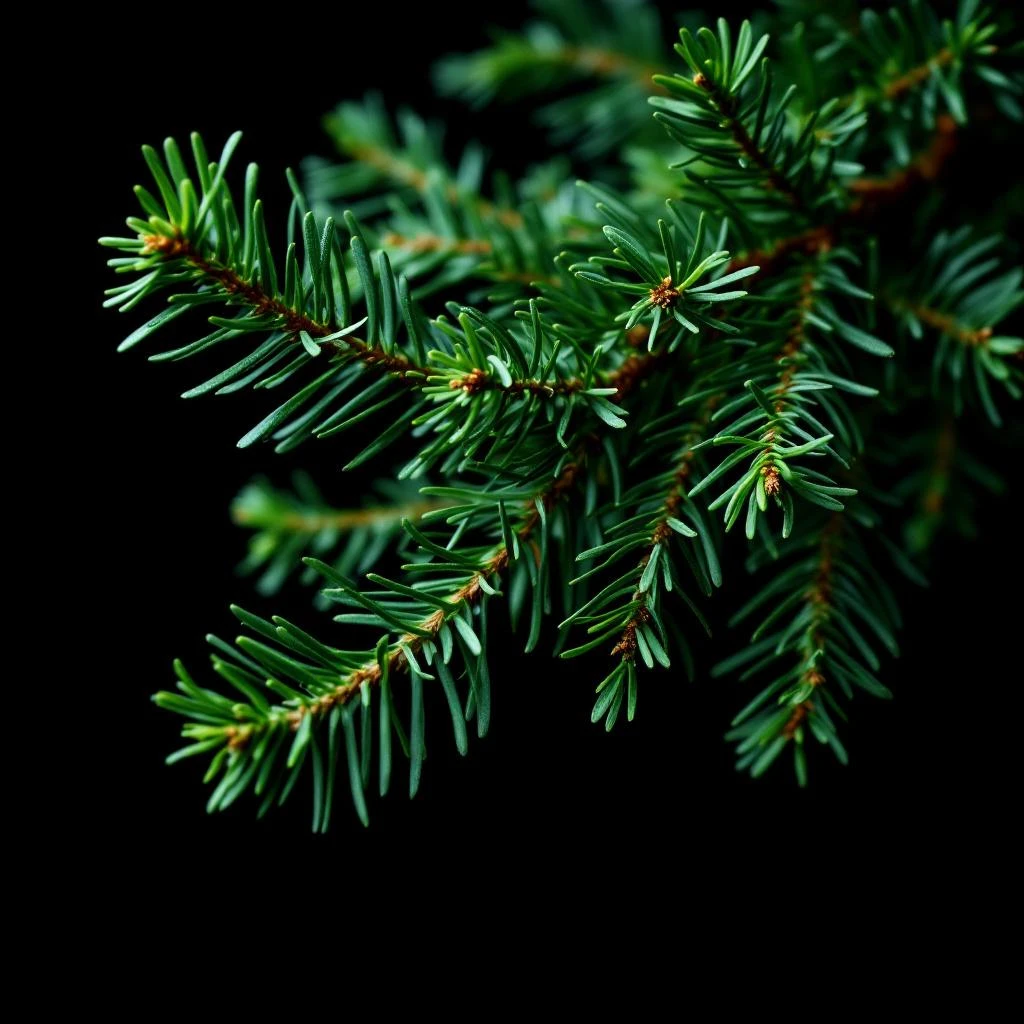
United States
Native peoples of the Pacific Northwest used Douglas fir for ceremonial and practical purposes long before perfumery existed as a trade. Indigenous communities recognized the tree is a conifer belonging to the Pinaceae family, though its botanical classification differs from true firs. The genus name Pseudotsuga translates to "false hemlock," reflecting early botanical confusion about its proper place in conifer taxonomy.
European-American settlers arrived in the 1800s and observed Native communities using the aromatic needles in purification ceremonies and applying poultices made from the bark and resin to wounds and respiratory conditions. David Douglas, a Scottish botanical explorer, collected Douglas fir seeds during his expeditions through the Pacific Northwest in the 1820s. The tree was formally described and named Abies douglasii by John Lindley in 1827, directly honoring Douglas.
He documented indigenous uses and distributed the seeds widely, allowing Douglas fir to establish across Europe and North America. Commercial extraction of the essential oil began in the Pacific Northwest during the early 20th century, placing the region at the center of Douglas fir perfumery production for decades.
Wears it best
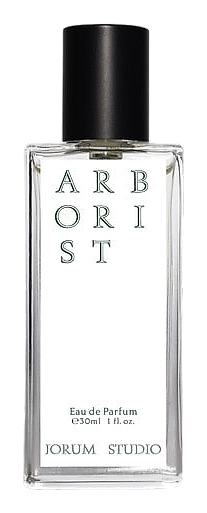
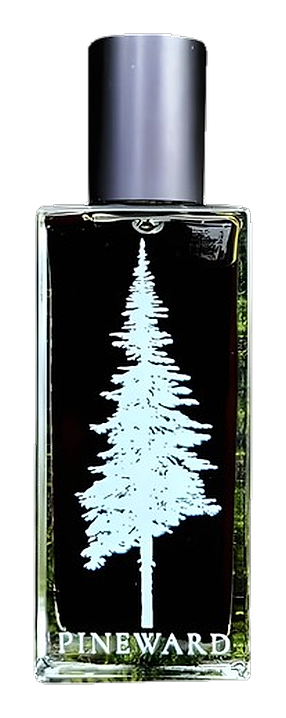
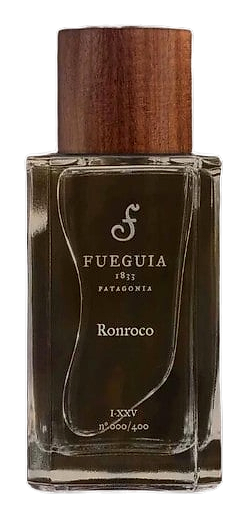
Fragrances featuring Douglas fir

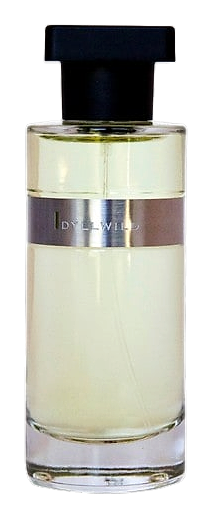
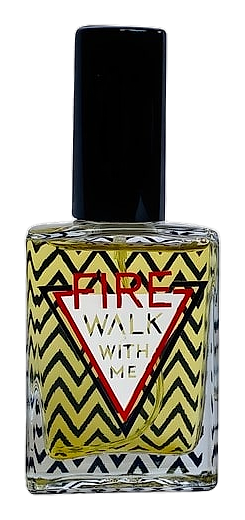
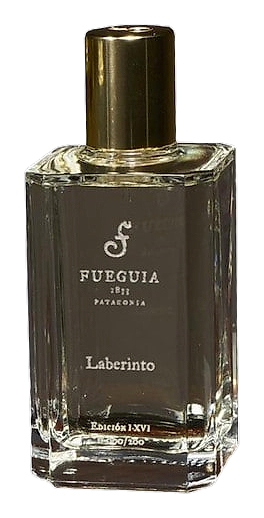
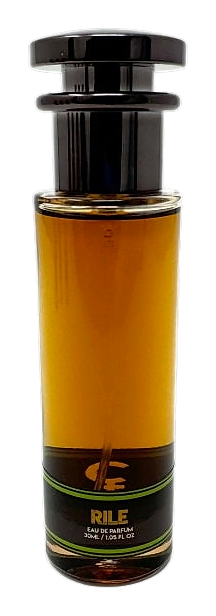
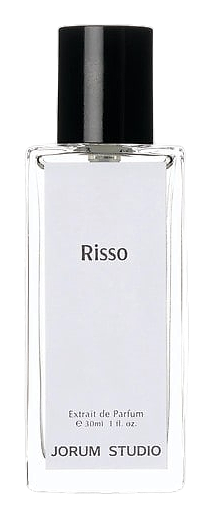
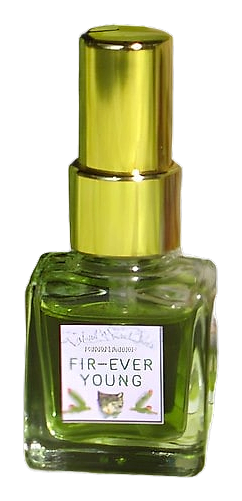
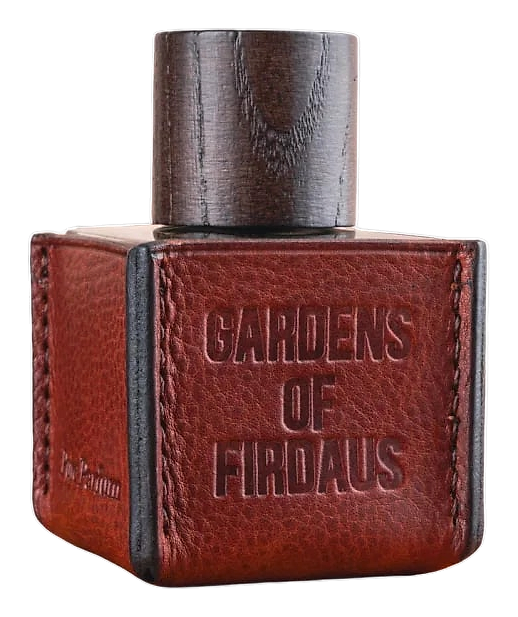
Brands
Brands known for Douglas fir
Good to know
Questions, answered
The essentials on Douglas fir in perfumery: how it smells, where it comes from, and how it behaves on skin.
What does Douglas fir smell like?
Douglas fir delivers a fresh, sharp evergreen scent with clean pine and subtle citrus top notes, finishing with a warm, balsamic sweetness. It reads as a walk through a living forest rather than a static woody note.
What fragrance families use Douglas fir?
Masculine and outdoor-inspired fragrances use it most prominently, though it appears in fougere, chypre, and fresh aquatic compositions where a natural green evergreen character is needed.
Does Douglas fir oil come from a true fir tree?
No. Douglas fir (Pseudotsuga menziesii) is not a true fir. Its genus name translates to "false hemlock." It belongs to the Pinaceae family alongside pines and true firs (Abies), but it is botanically distinct.
What compounds define Douglas fir's aroma?
Alpha-pinene typically dominates at 40-60% of the oil's composition, with significant contributions from beta-pinene, limonene, camphene, and bornyl acetate. This pinene-rich profile creates its characteristic sharp, fresh character.
Is Douglas fir oil natural or synthetic?
It is a natural ingredient produced via steam distillation of needles and twigs. Synthetic alternatives replicating the pinene-forward profile exist, but natural Douglas fir oil retains preference among artisan and niche perfumers.
How does Douglas fir compare to Siberian fir?
Douglas fir reads sharper and more resinous with stronger citrus top notes. Siberian fir is smoother and more balsamic with a persistent camphor quality. The choice depends on whether a fragrance needs aggressive freshness or gentle warmth.
What role does Douglas fir play in perfumery?
It functions primarily as a top and heart note, providing immediate freshness and forest-like greenness. In fougere compositions, it anchors the aromatic herb and moss elements with clean, reliable evergreen character.
How long does Douglas fir oil last in a fragrance?
Stored in a cool, dark place in tightly sealed glass, Douglas fir oil maintains quality for 4-5 years. It blends well with other conifer oils, making it a versatile and stable choice for both natural and compounded fragrance bases.