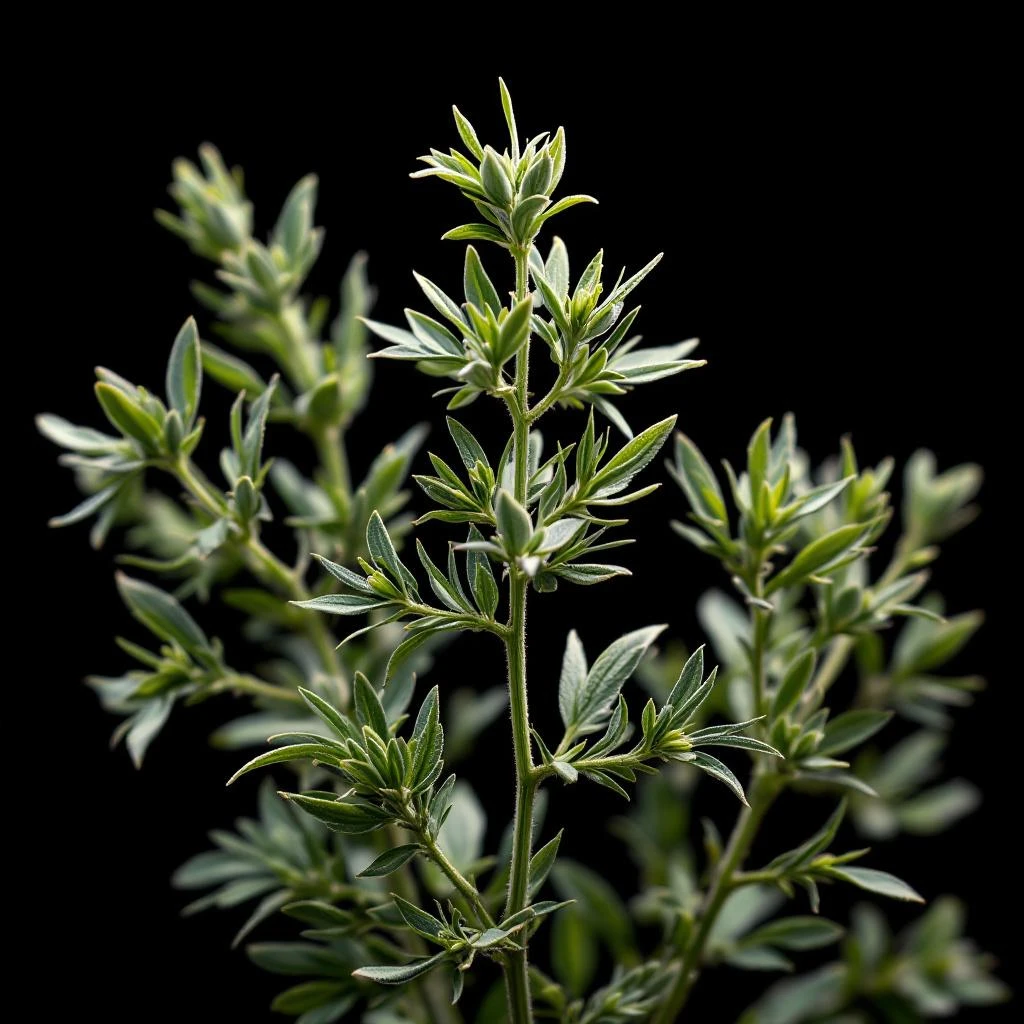
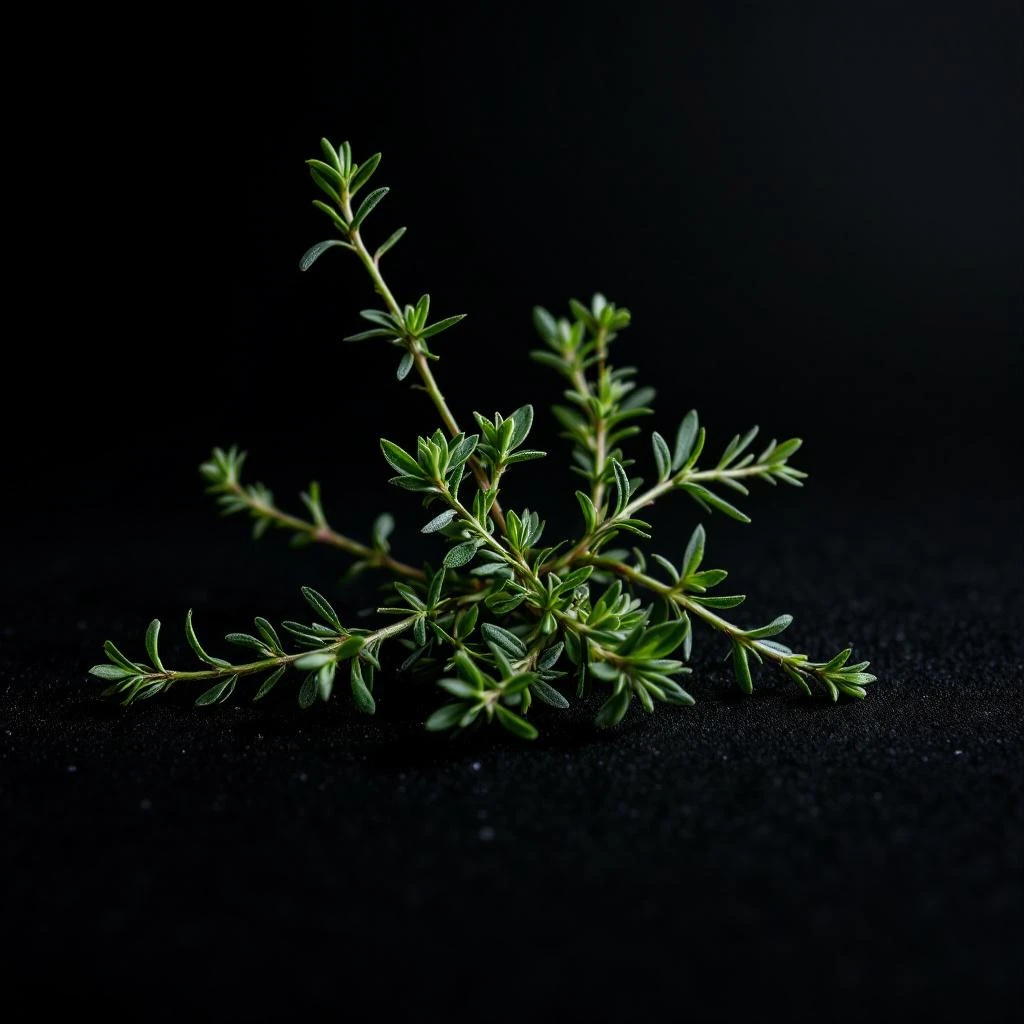
Tunisian Myrtle
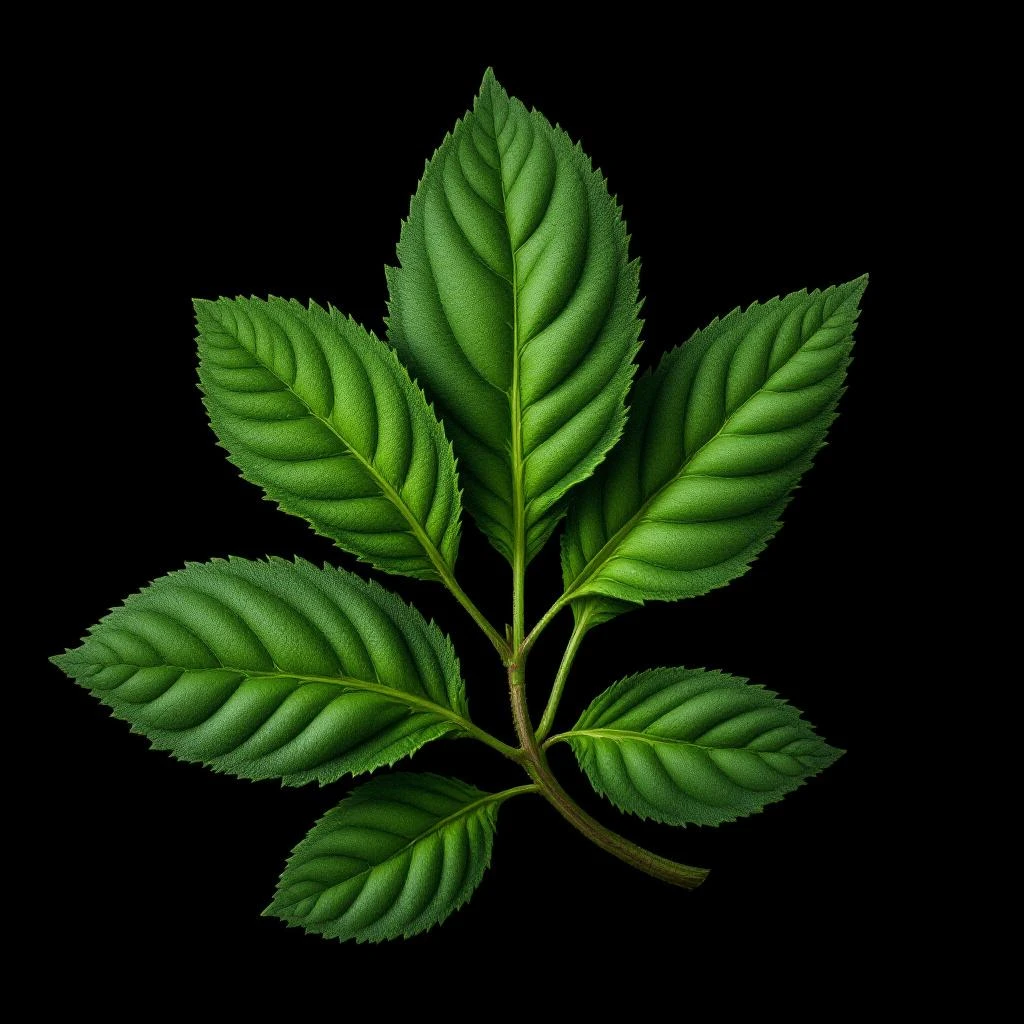
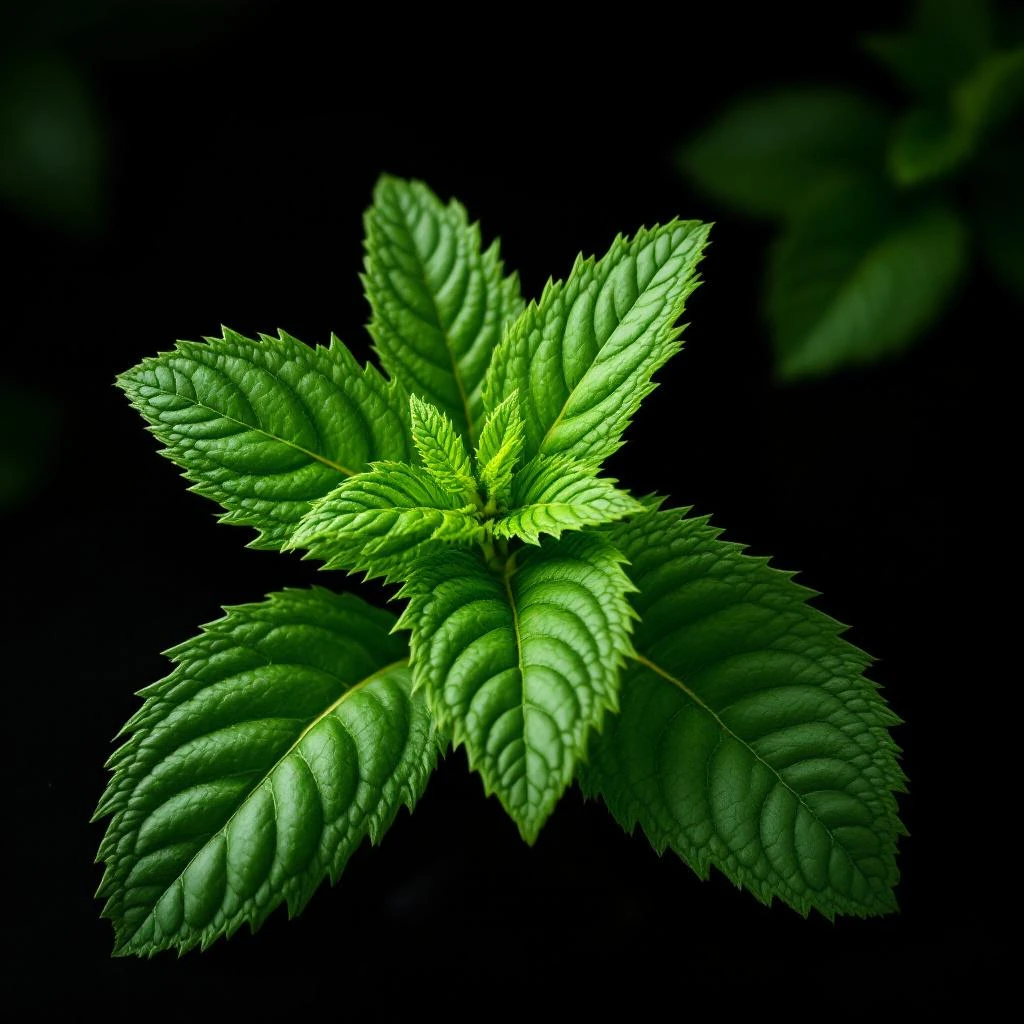
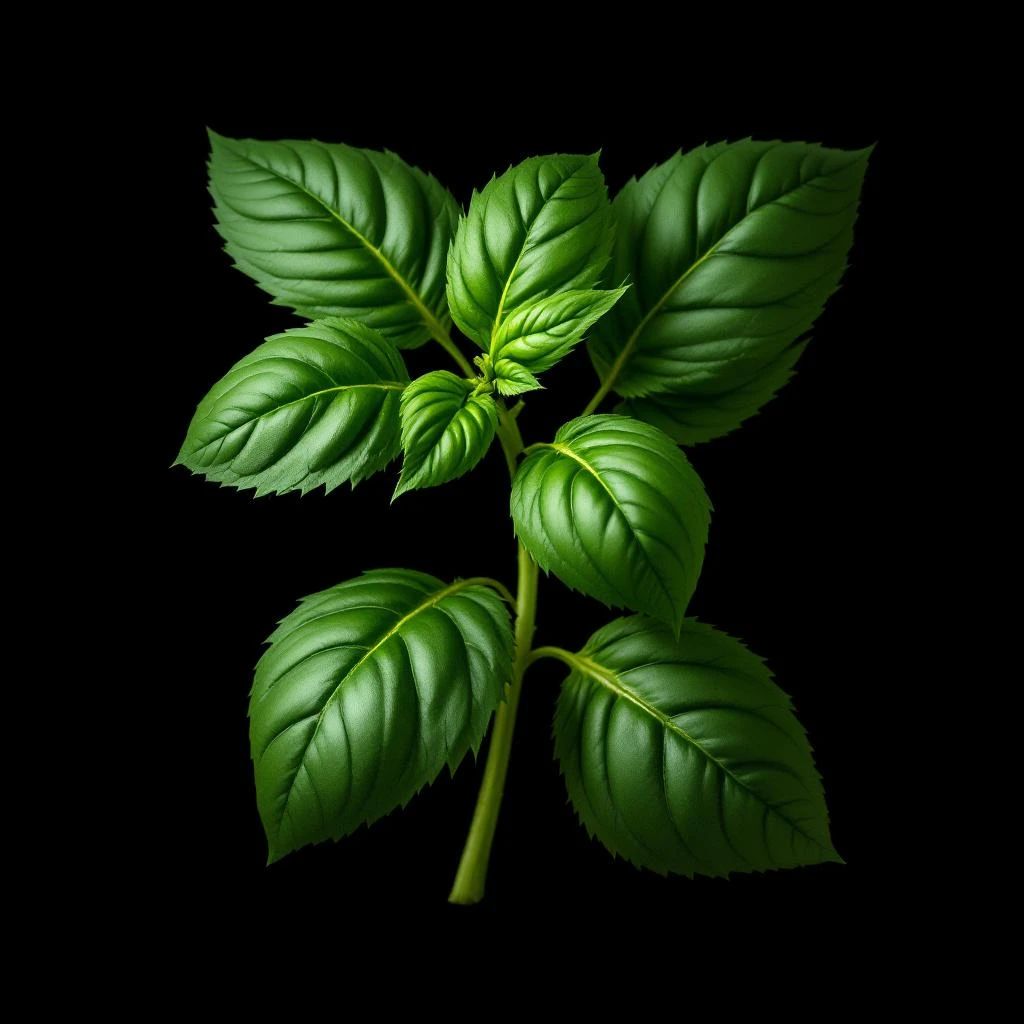
Tunisian myrtle delivers a crisp, herbaceous aroma shaped by North Africa's sun-baked coastal scrublands. The leaf oil carries fresh green facets layered over subtle camphor and sweet herbal warmth, making it a cornerstone of classic cologne compositions.
Character
How it smells
Green, herbaceous, and steeped in Mediterranean heritage
Archaeologists uncovered a 2,000-year-old perfume factory in Cyprus where myrtle was processed alongside lavender, coriander, and bay, proving this shrub has perfumed humanity for millennia.





Origin
Tunisia
Myrtle holds one of the longest unbroken associations with fragrance in human history. Ancient Mediterranean civilizations revered the shrub, weaving its branches into wreaths for victors and brides, while its leaves, berries, and oils perfumed rituals, cosmetics, and medicines. Archaeological work at a 2,000-year-old factory site in Cyprus revealed myrtle processed alongside coriander, laurel, lavender, and rosemary, evidence of organized perfume production that predates written perfumery manuals.
Greek and Roman texts reference myrtle-based scented oils, and the plant remained embedded in folk medicine from Morocco to Mesopotamia. Tunisian and Moroccan growers historically supplied myrtle leaf oil to European cologne houses, where the herbaceous freshness became a defining accord in 19th-century eaux de cologne. Tunisian production carries distinct regional character, owing to microclimate differences between Mediterranean coastal zones and inland hills.
Traditional households still macerate leaves in water for skin tonics, a practice stretching back generations. Today, Tunisian myrtle represents both botanical continuity and an active ingredient in modern natural perfumery, bridging ancient ritual fragrance with contemporary composition.
Wears it best
Fragrances featuring Tunisian Myrtle
Brands
Brands known for Tunisian Myrtle
Good to know
Questions, answered
The essentials on Tunisian Myrtle in perfumery: how it smells, where it comes from, and how it behaves on skin.
What does Tunisian myrtle smell like?
Tunisian myrtle oil smells fresh, green, and herbal with distinct camphoraceous facets and a subtle sweet undertone. Rectified grades emphasize cleaner top notes while preserving the characteristic penetrating herbal freshness prized in classical perfumery.
How is Tunisian myrtle oil produced?
Producers steam-distill the leaves and small twigs of Myrtus communis shrubs harvested from Tunisia's coastal and hill regions. Some oils undergo rectification, a secondary distillation process that refines the aromatic profile for specific perfumery applications.
Why is Tunisian myrtle significant in perfumery history?
Myrtle has perfumed Mediterranean cultures for over two millennia, with archaeological evidence of a 2,000-year-old production site processing the plant. Tunisia and Morocco became primary suppliers of myrtle leaf oil to European cologne manufacturers during the 19th century.
What distinguishes Tunisian myrtle from other regional sources?
Tunisian myrtle grows in microclimates ranging from coastal scrub to inland hills, producing an oil with a specific balance of green herbal notes and camphor. Rectified Tunisian grades offer a refined profile favored by modern perfumers seeking consistent, bright aromatic character.
What are the main chemical components of myrtle oil?
Myrtle oil contains 1,8-cineole (eucalyptol), alpha-pinene, myrtenyl acetate, and limonene as dominant constituents. These compounds collectively produce the oil's fresh, penetrating, slightly camphoraceous aroma characteristic of the species.
Is Tunisian myrtle oil used in cologne formulations?
Yes, Tunisian myrtle leaf oil has historically been a key ingredient in classic eau de cologne formulations, contributing herbaceous lift and aromatic freshness. Its bright green character complements citrus, lavender, and rosemary notes in traditional structures.
Can Tunisian myrtle oil cause skin sensitivity?
Myrtle oil contains 1,8-cineole and other potentially sensitizing compounds at moderate concentrations. Perfumers typically dilute it well within fragrance compositions, and IFRA standards provide safe usage guidelines for leave-on and rinse-off products.
What is the difference between rectified and unrectified myrtle oil?
Rectified myrtle oil undergoes secondary fractional distillation to remove certain heavier or odorous constituents, producing a cleaner, more refined aroma. Unrectified versions retain the full natural complexity, including deeper herbal and slightly camphoraceous notes.