Tonic Water
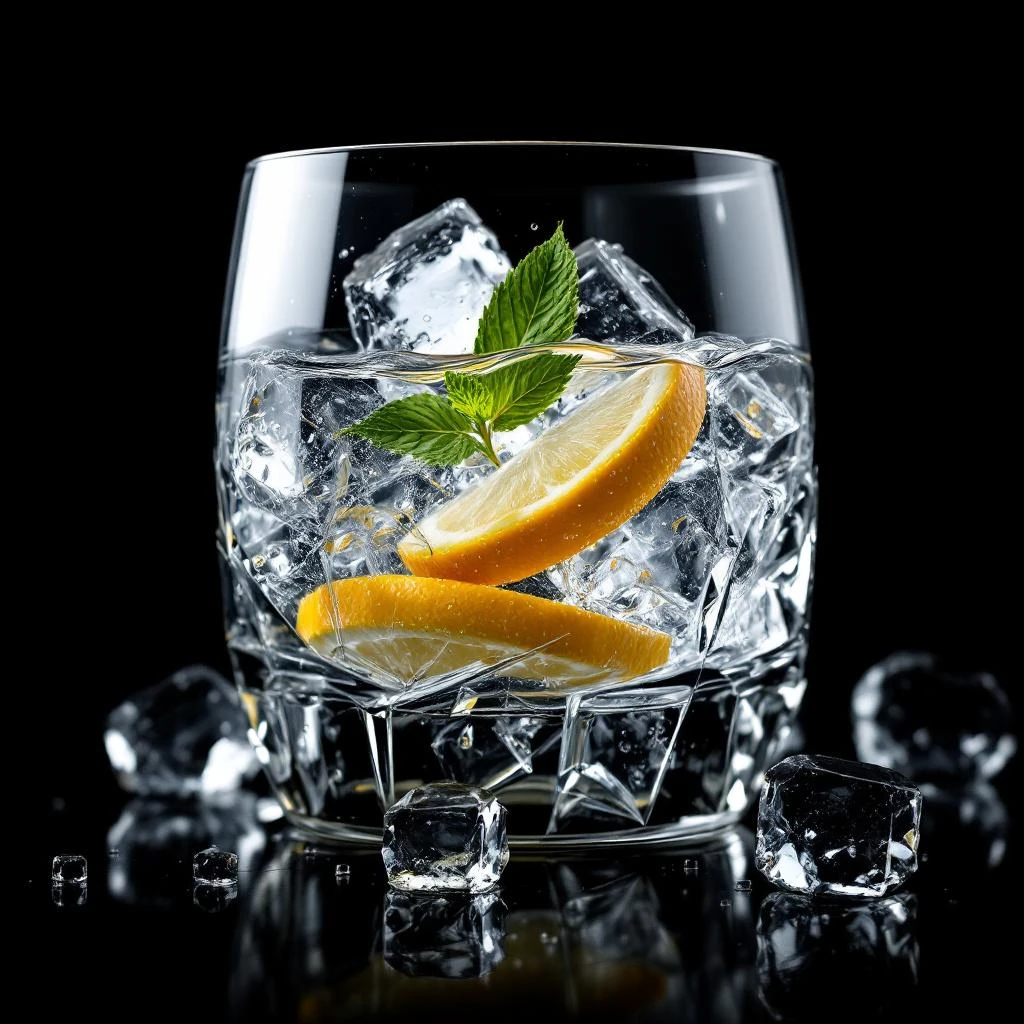
A crisp, bitter-fresh fragrance note capturing the effervescent sting of quinine-infused beverages. This modern aromatic blends bright citrus zest with a mineral, almost medicinal coolness, evoking the clean sharpness of carbonation against skin.

Character
How it smells
Bitter citrus, effervescent cool.
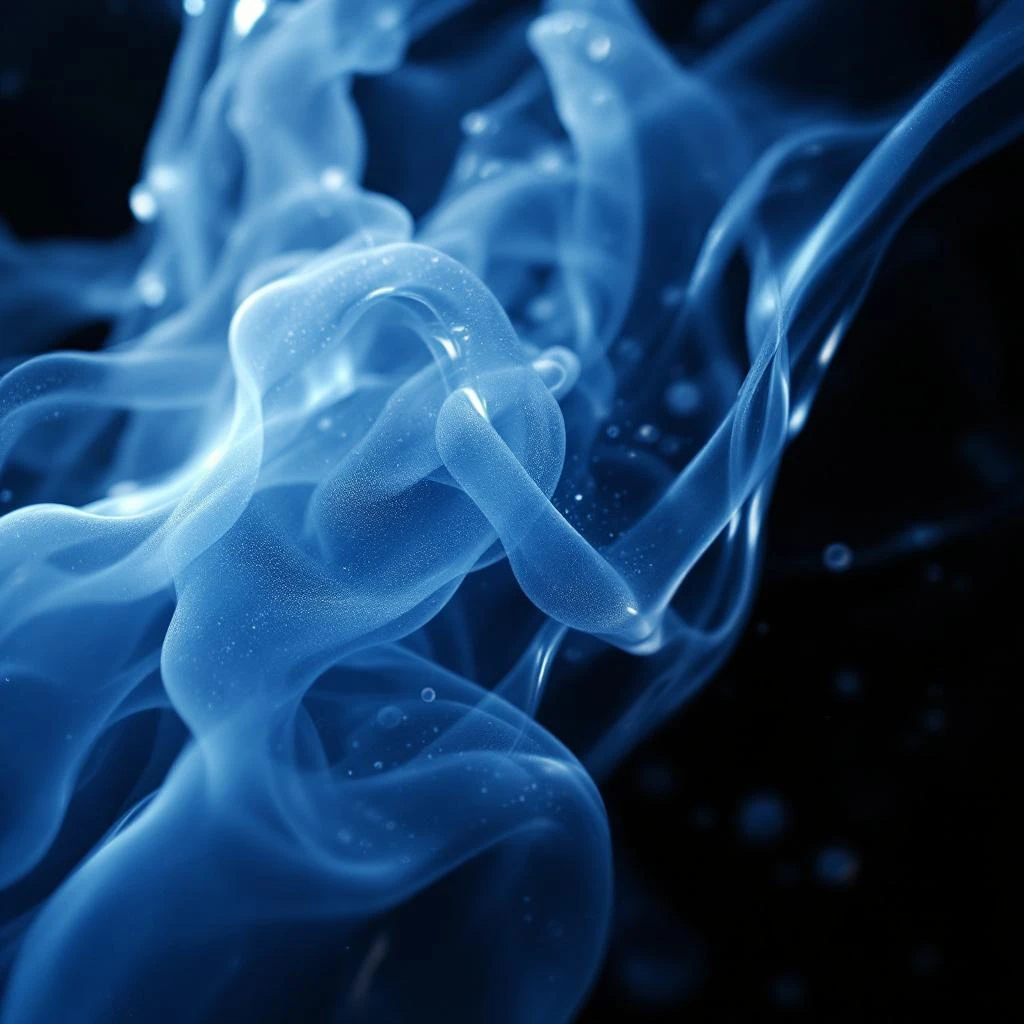
Quinine fluoresces bright blue under ultraviolet light, a property visible in any clear tonic water.





Origin
Ecuador
Quinine's story begins with the Indigenous peoples of Peru, Bolivia, and Ecuador, who used cinchona bark to treat malaria symptoms as early as the 17th century. Spanish colonizers adopted this knowledge and spread it through the New World. By the early 19th century, British soldiers in colonial India consumed quinine as a malaria prophylactic, mixing the extremely bitter extract with soda water and sugar to make it palatable.
Fresh aromatics of citrus and lemongrass were added, creating what we now call Indian Tonic Water, prepared as a syrup for preservation. In 1858, Schweppes patented the first commercial Indian Tonic Water, combining their soda water with quinine and sweeteners. The famous gin and tonic pairing originated in this same colonial context, with soldiers given gin rations who combined it with their medicinal tonic.
By 1868, the first known record appeared in the Oriental Sporting Magazine, describing it as a refreshing race-day cocktail rather than medicine.
Wears it best
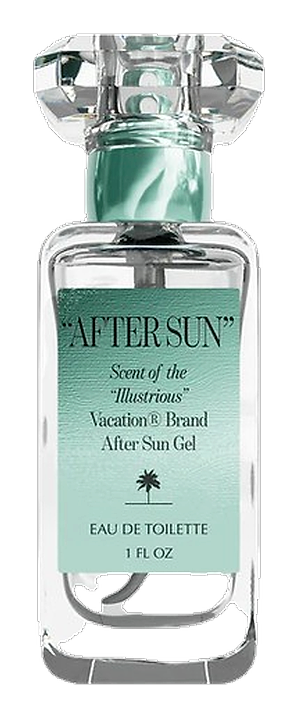
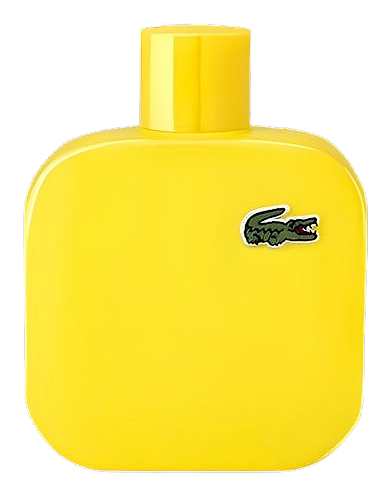
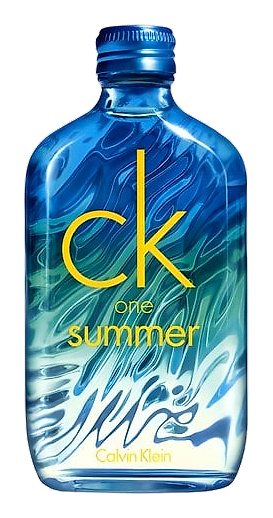
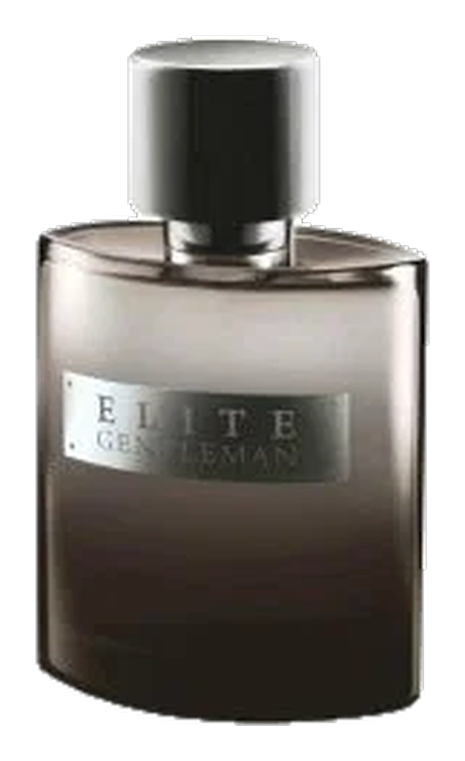
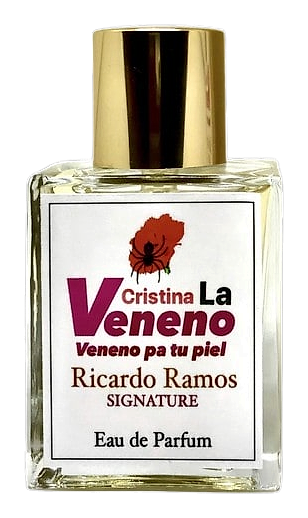
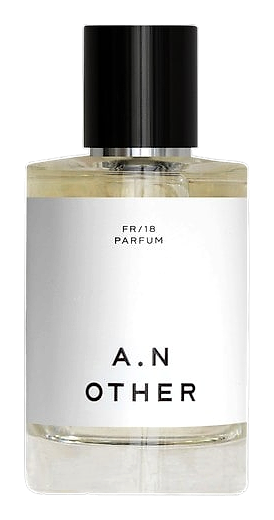
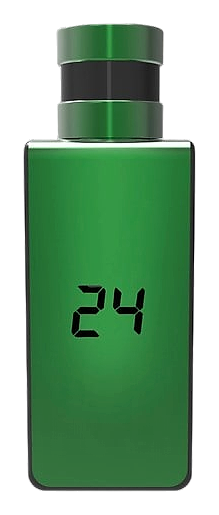
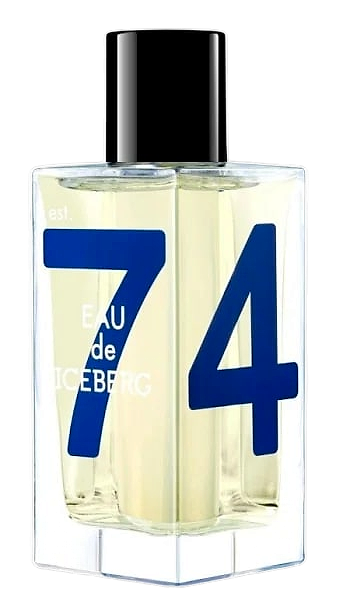
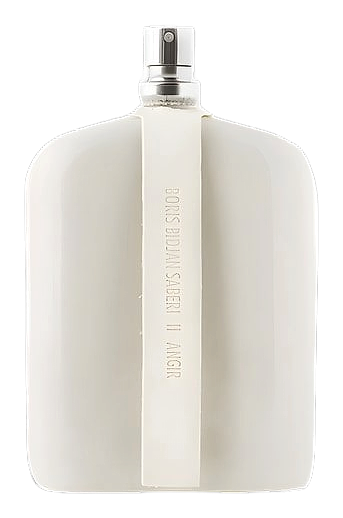
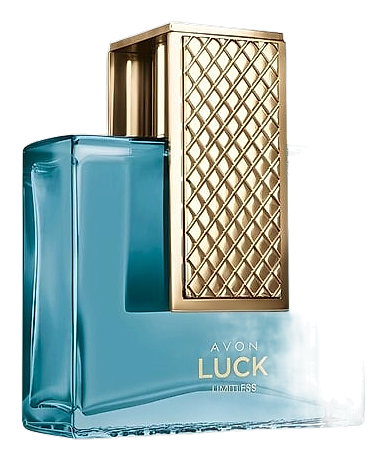
Fragrances featuring Tonic Water

Brands
Brands known for Tonic Water
Good to know
Questions, answered
The essentials on Tonic Water in perfumery: how it smells, where it comes from, and how it behaves on skin.
What does tonic water smell like as a fragrance note?
Tonic water in perfumery smells like a crisp blend of bitter citrus and sparkling mineral accords. It recalls the clean, almost stinging freshness of carbonation combined with subtle herbal undertones.
Where does quinine in tonic water come from?
Quinine is extracted from the bark of cinchona trees native to Ecuador, Peru, and Bolivia. The tree was nicknamed the 'fever tree' for its anti-malarial properties.
When was commercial tonic water invented?
Commercial tonic water was patented in 1858 by Schweppes, combining their soda water with quinine and sweetener for the first mass-produced bitter mixer.
Why was quinine mixed with gin in colonial India?
British soldiers were given quinine as malaria prophylaxis but found it extremely bitter. Adding gin made the medicine more palatable, creating the iconic gin and tonic pairing.
Does modern tonic water still contain real quinine?
Modern tonic water uses synthetic quinine (made in laboratories since World War II), which lacks the subtle complexity of natural cinchona bark extract.
What gives tonic water its fluorescent property?
Quinine fluoresces bright blue when exposed to ultraviolet light. This phenomenon is visible even in small concentrations, making tonic water glow under UV lamps.
How much quinine is in modern tonic water?
Modern tonic water contains significantly less quinine than historical medicinal versions, typically below 83 parts per million (ppm), making it mildly bitter rather than intensely so.
What role did tonic water play in global cocktail culture?
Tonic water helped define the British colonial drinking culture, cementing the gin and tonic as a staple combination that remains one of the oldest cocktails still served worldwide.