The Story
Why it exists.
The beginning
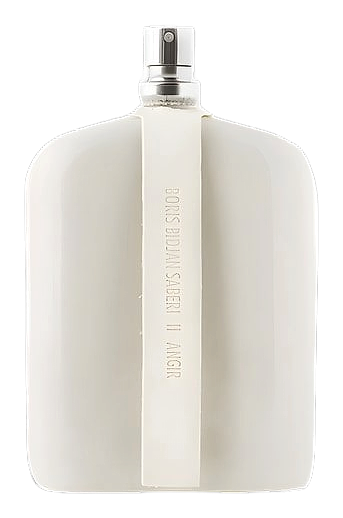
Boris Bidjan Saberi came to fragrance through the same lens he brings to clothing: material honesty, sensory impact, the physical presence of something against skin. His 2016 collaboration with Geza Schoen produced "11", a fragrance that didn't apologize for its intensity. Angir followed in 2024, continuing that partnership. The name Angir carries Persian roots, carrying weight without explanation. The inspiration came from an unexpected direction: the Moscow Mule cocktail, with its sharp ginger beer and effervescent tonic water. But Angir doesn't stay at the bar. The leather arrives, settles in, and stays, worn, dry, almost dehydrated in its intensity. Geza Schoen translated this contradiction into a fragrance that begins fresh and ends material, moving from sensation to presence. This is Saberi's way of working. His garments protect and subvert simultaneously.
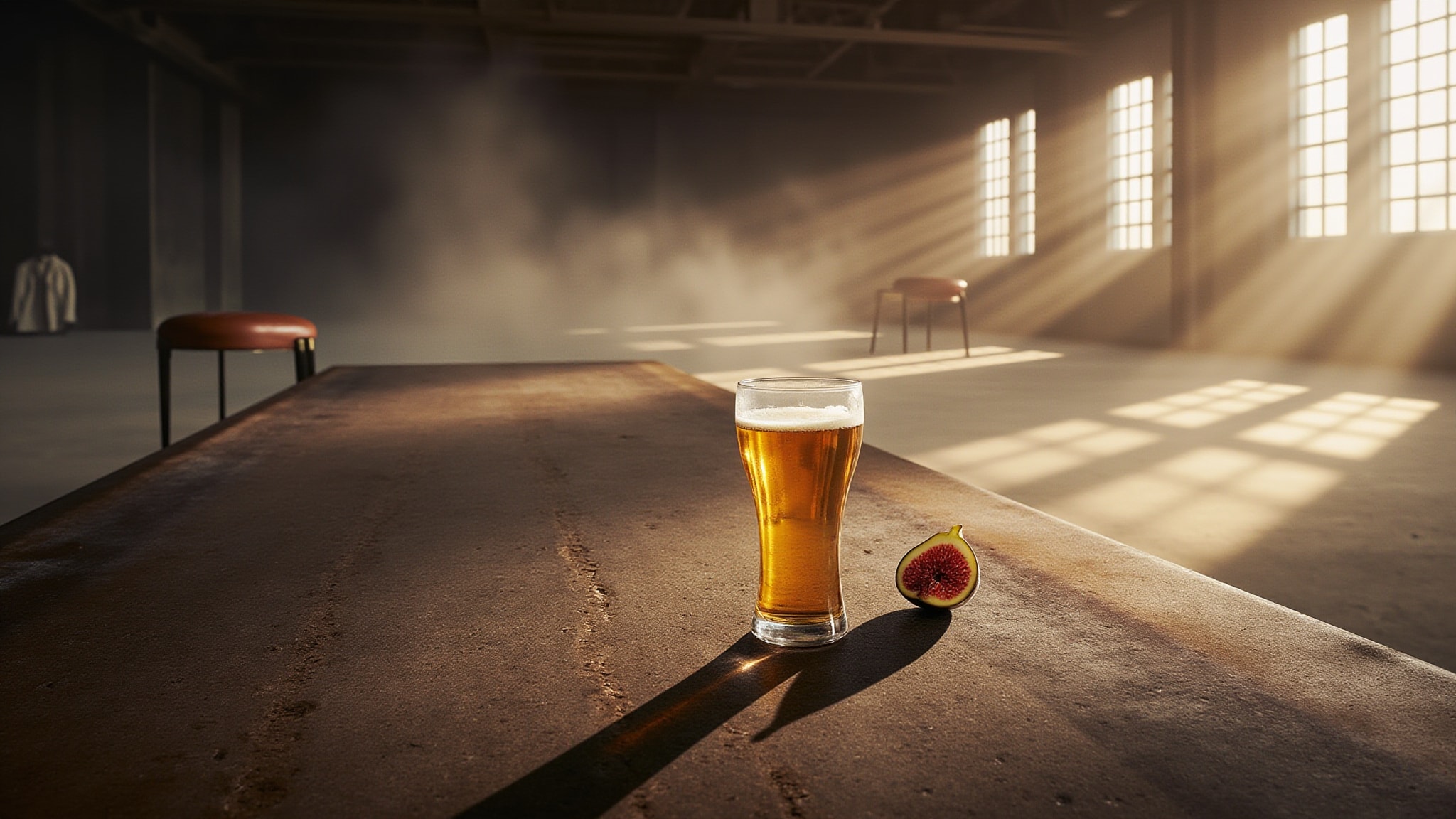
Ginger beer as a fragrance note is unusual enough. Tonic water, quinine, that bitter mineral edge, makes it stranger. Add fig, not the juicy green kind but something drier, and you have a composition that shouldn't work on paper: effervescent, fruity, animalic, leathery. It shouldn't cohere. It does. The trick is the leather. It doesn't arrive immediately. The opening plays with expectation, that clean ginger heat, the carbonation of tonic water, a fig that reads more mineral than sweet. Then the leather creeps in, replacing the shoe-store polish with something more natural, more worn. The ginger itself transforms, losing its fresh zing and becoming a soft, almost powdered background note.
The evolution
The opening hits like a bar cabinet, ginger beer poured over tonic, that sharp effervescent bite hitting the back of the nose. The fig is there, but muted, almost shy. For the first thirty minutes, this is a fresh scent. Playful, even. Then the leather arrives. Not the polished shoe-store kind, something animalic, dry, creeping up from the depths. The ginger transforms alongside it, losing its fresh zing and becoming soft, almost powdered. The tonic water fades, leaving space for leather and fig to settle into something that feels more material, more present. Over the next hour, the fig becomes more recognizable, not juicy or creamy but dry, like something left out in the sun. The leather stays close, holding the composition together. By the third hour, you're left with dry leather and a quiet fig, the ginger long gone. Four to six hours on most skin. Moderate sillage means it stays intimate, close to the skin, but the leather outlasts everything else. The next morning, there's a trace, something between leather and warmth. On fabric, it's mostly gone.
Cultural impact
Boris Bidjan Saberi and Geza Schön's collaboration traces back to their 2016 release 11, an experimental leather fragrance that challenged conventional perfumery with its raw, unconventional approach. Angir continues this lineage within the post-pandemic niche landscape, where consumers increasingly seek fragrances that blur boundaries between fresh and dark, casual and formal. The ginger-beer and fig combination addresses a gap in the market for effervescent fragrances that avoid the overused citrus and marine categories. Leather remains a perennial favorite in niche circles but often dominates rather than complements, and Angir's approach of pairing it with unexpected freshness marks a notable evolution.