Tasmanian Gold Boronia
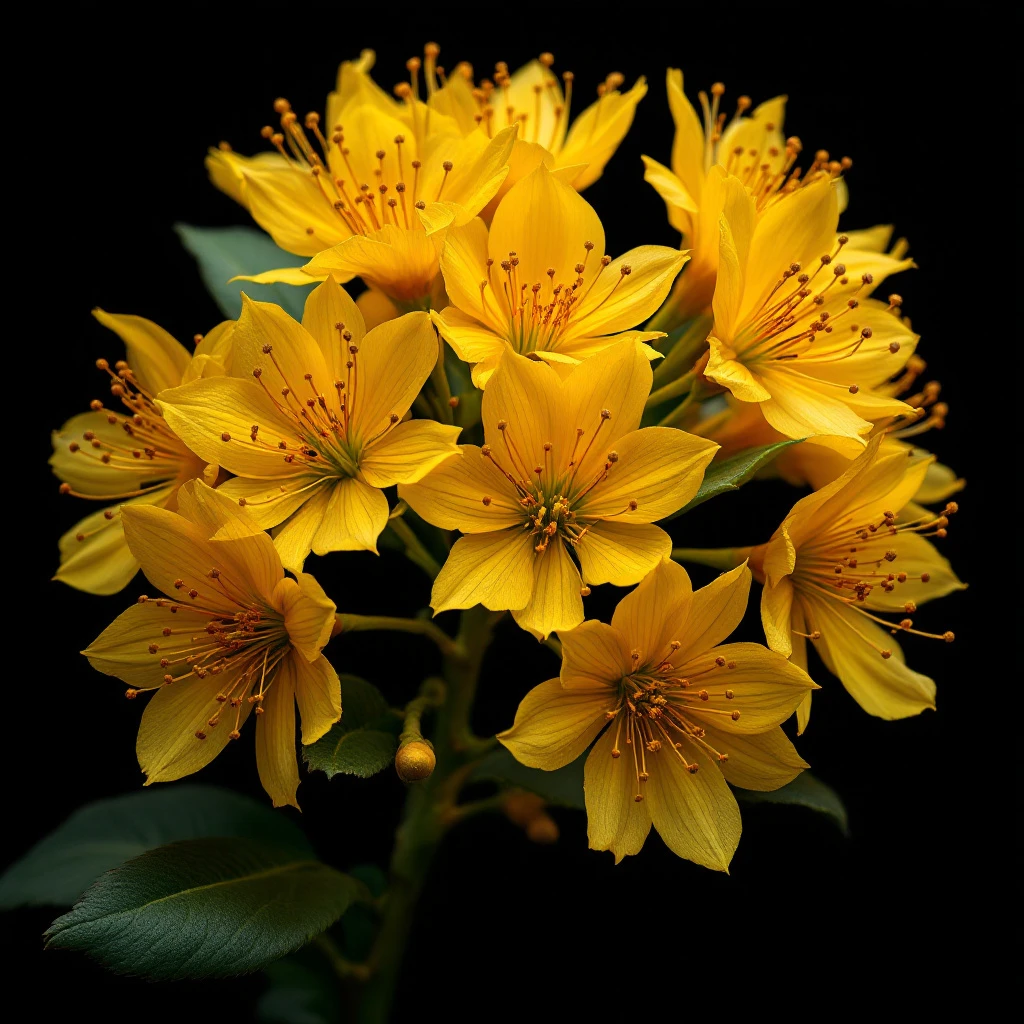
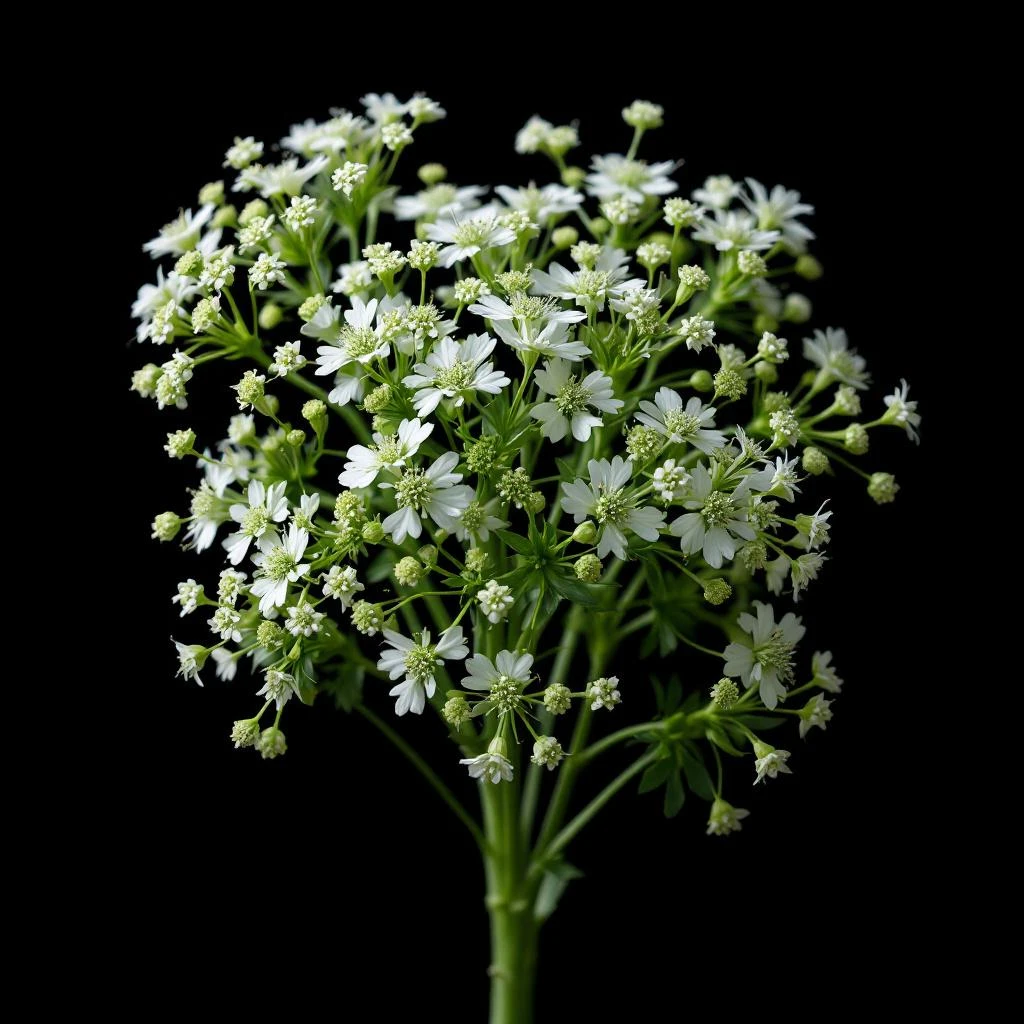
Boronia megastigma, a Tasmanian native shrub, produces one of perfumery's most elusive floral absolutes. Its scent captures violet, blackcurrant, and warm tea in a single, fleeting harvest window each spring.
Character
How it smells
A violet whisper from the Tasmanian wilds
Boronia flowers must be harvested and processed within hours of picking, as their aromatic compounds degrade rapidly once the blooms open fully.



Origin
Australia (Tasmania)
Boronia megastigma, commonly called brown boronia, belongs to the Rutaceae family and grows wild across Tasmania and parts of Western Australia. Indigenous Australians encountered the plant long before European botanists catalogued it; the genus takes its name from Italian naturalist Francesco Borone. Commercial interest in boronia as a perfumery ingredient emerged in the twentieth century, when Australian growers recognized the flower's remarkable scent intensity.
Western Australia became the initial hub for boronia cultivation, with plantation efforts beginning in the mid-1900s. Tasmanian production developed more recently, capitalizing on the island's cool climate and clean air, conditions that favor slow growth and concentrated aromatics. A federal funding commitment in recent years supported a dedicated $2.
2 million extraction facility in Tasmania, securing infrastructure for the boutique-scale industry. Today, perfumers including Tasmania-based houses such as Liminus feature boronia as a signature regional ingredient, connecting modern fragrance craft to the island's unique botanical heritage.
Wears it best
Fragrances featuring Tasmanian Gold Boronia
Brands
Brands known for Tasmanian Gold Boronia
Good to know
Questions, answered
The essentials on Tasmanian Gold Boronia in perfumery: how it smells, where it comes from, and how it behaves on skin.
What does Tasmanian boronia smell like?
Tasmanian boronia absolute delivers a complex floral profile dominated by violet and cassis (blackcurrant) notes, layered with warm tea-like undertones. The combination is intensely sweet yet powdery, prized for its depth and unusual fruity-floral character.
Why is boronia so expensive?
Boronia commands premium pricing because annual production volumes are tiny. The harvest season lasts only a few weeks each spring, and the flowers require rapid processing after picking to preserve their volatile aromatics.
Where does Tasmanian boronia grow?
Boronia megastigma thrives predominantly in Tasmania and Western Australia. Tasmania's cool, moist climate supports slow plant maturation, which concentrates the aromatic compounds in the flowers.
How is boronia absolute extracted?
Producers use non-chlorinated solvent extraction on freshly harvested open flowers and fine leaves. Strict temperature control during processing preserves the delicate violet and cassis compounds that define the absolute's signature scent.
Which perfumes contain Tasmanian boronia?
Several boutique Australian perfumers feature Tasmanian boronia as a signature regional ingredient, including houses like Liminus that specialize in Tasmanian botanicals. Mainstream commercial use remains limited due to the ingredient's scarcity.
Is boronia the same as rose?
No, boronia is a distinct botanical with a violet-cassis-tea profile. While both are floral, boronia offers a fruitier, more powdery character and comes from an entirely different plant family (Rutaceae versus Rosaceae).
When is boronia harvested in Tasmania?
Harvest takes place during the Australian spring, typically over a window of just a few weeks. The flowers must be collected at full bloom and processed rapidly to capture their volatile aromatic compounds before degradation.
Can boronia be grown outside Australia?
Boronia megastigma requires specific cool, moist conditions found in Tasmania and parts of Western Australia. Cultivation outside these native ranges has proven difficult, which keeps production concentrated in Australian terroir.





