American Gardenia
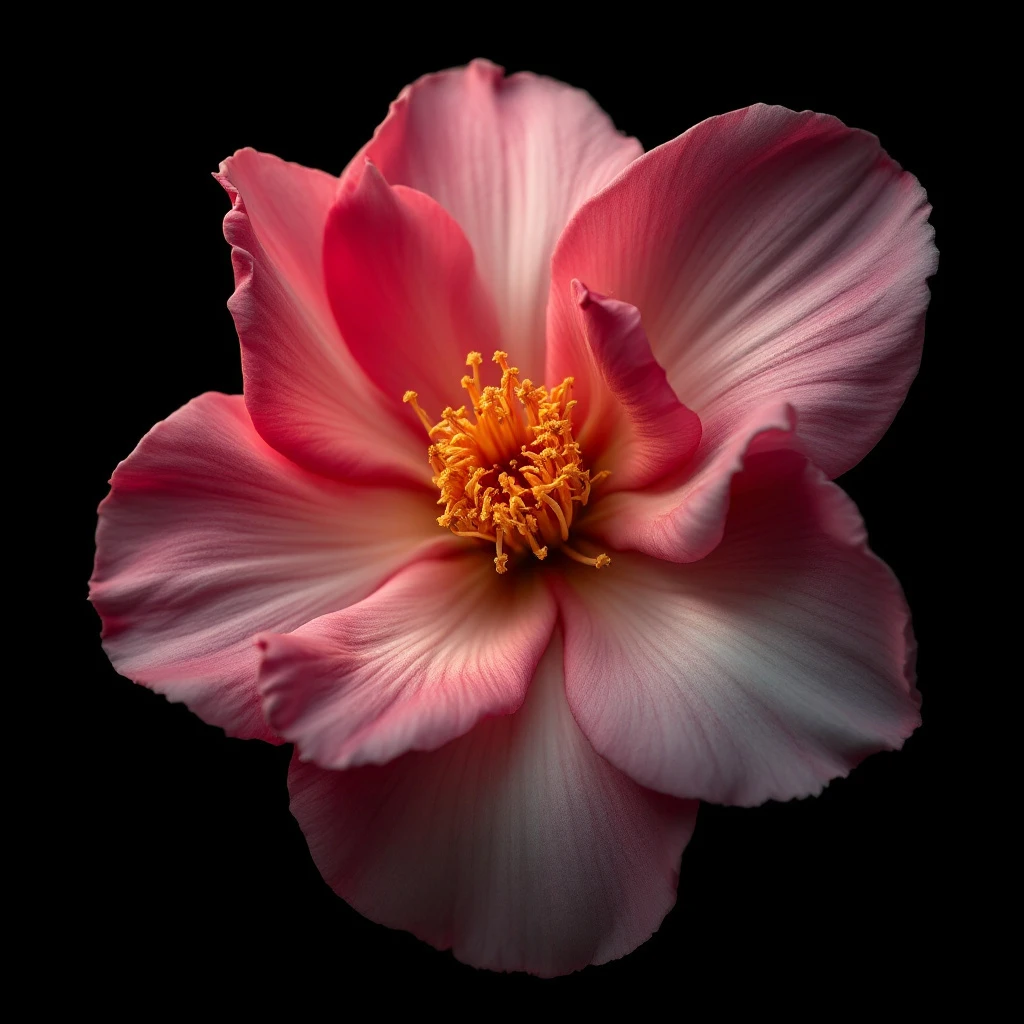
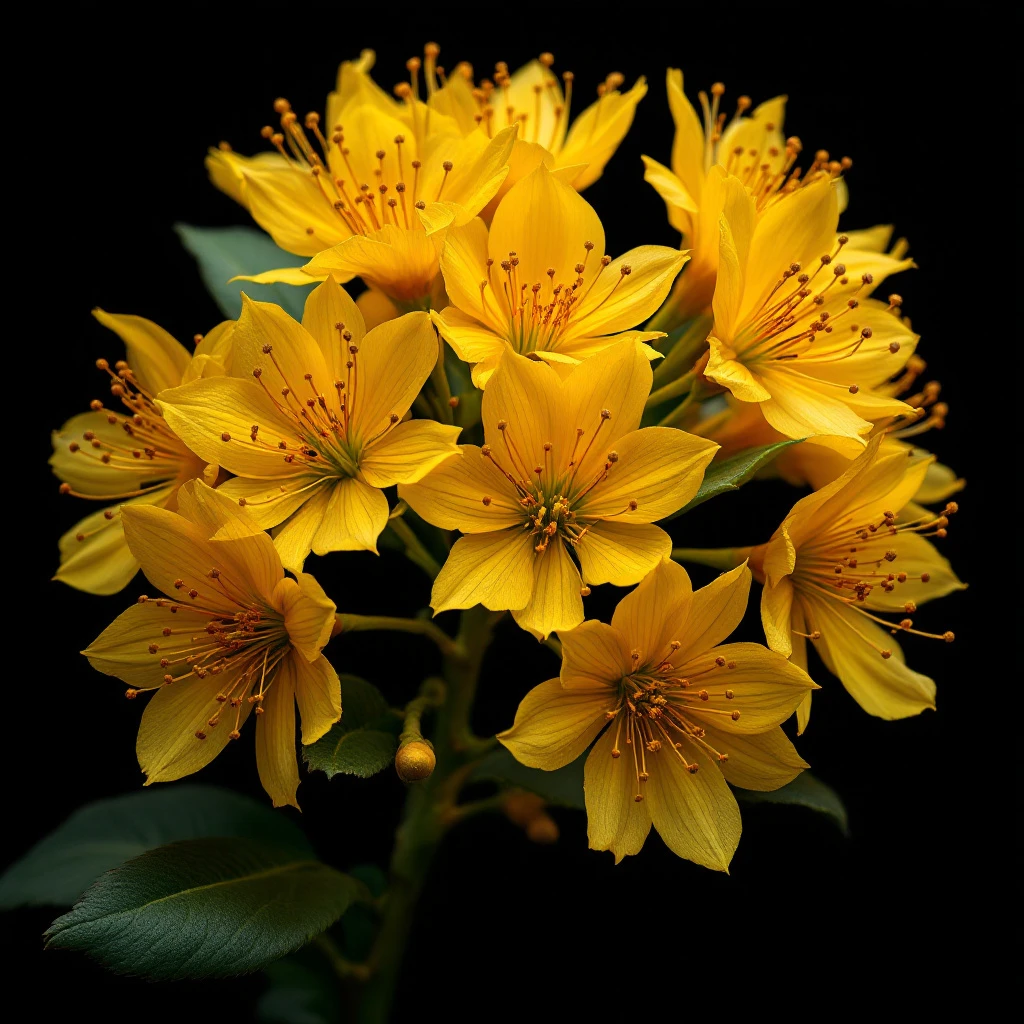
American gardenia carries a creamy, coconut-like sweetness wrapped in dewy green leaves. Unlike jasmine or rose, its scent resists traditional extraction, making it one of perfumery's most reconstructed florals.
Character
How it smells
The cream-laced floral that refuses to be bottled.
Gardenia jasminoides cannot yield a natural absolute at commercial scale, so nearly every 'gardenia' note in modern perfume is a molecular reconstruction.



Origin
China
The gardenia genus takes its name from Dr. Alexander Garden, an 18th century Scottish physician and naturalist who corresponded with Linnaeus from colonial Charleston, South Carolina. Though the botanist never smelled the flower named for him, Gardenia jasminoides had already been cultivated for centuries in China and Japan, where it flavored tea, perfumed hairpins, and scented temple incense.
Gardenia entered Western perfumery relatively late. While rose and jasmine anchored European fragrance from the Renaissance onward, gardenia waited until the early 1900s, when American fashion embraced it as a corsage flower and a symbol of Southern sophistication. Perfumers tried repeatedly to capture its scent, but extraction failures kept it rare in commercial bottles.
The 1920s changed everything. Synthetic aroma chemicals like hydroxycitronellal and the development of headspace technology in the 1970s finally allowed perfumers to reconstruct gardenia convincingly. Today it appears in everything from classic soliflores to modern skin scents, remaining a benchmark for the perfumer's art of illusion.
Wears it best
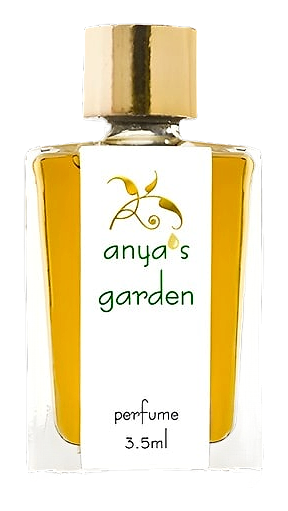
Fragrances featuring American Gardenia
Brands
Brands known for American Gardenia
Good to know
Questions, answered
The essentials on American Gardenia in perfumery: how it smells, where it comes from, and how it behaves on skin.
What does American gardenia smell like?
American gardenia has a creamy, coconut-like sweetness layered over dewy green leaves and a soft, almost jasmine-like indolic warmth. It reads richer and more tropical than its Asian cousin, with a buttery quality that lingers on skin.
Is American gardenia the same as gardenia jasminoides?
Not exactly. American gardenia often refers to hardy cultivars grown in the southern United States, which share the Gardenia jasminoides lineage. The scent profile stays remarkably consistent across varieties, though terroir can shift the green-to-creamy balance.
Can gardenia be extracted naturally for perfume?
Not at commercial scale. Heat-sensitive molecules degrade during distillation, solvent extraction yields only expensive traces, and enfleurage remains artisanal. This is why most gardenia notes in modern fragrance are molecular reconstructions rather than true naturals.
Why is gardenia called the impossible flower?
Perfumers coined the term because gardenia resists every traditional extraction method. Its delicate lactones and esters break down under heat, and yields from solvent extraction are vanishingly small. Reconstructing its scent requires blending 20 or more aroma chemicals.
Where does American gardenia originate?
Gardenia jasminoides originates in China and Japan, where it has been cultivated for over a thousand years. American cultivars trace back to plants introduced to the southern United States in the 18th century, where they thrived in warm, humid climates.
What perfume chemicals recreate gardenia's scent?
Perfumers use benzyl acetate for fruity brightness, hydroxycitronellal for creamy sweetness, methyl benzoate for green lift, and trace indole for depth. A touch of jasmine sambac absolute often anchors the accord, rounded with sandalwood or musks.
Is gardenia a top, heart, or base note?
Gardenia functions almost exclusively as a heart note. Its creamy character needs supporting base materials like sandalwood or white musk to extend longevity, while bright top notes such as bergamot or green leaf aldehydes give it lift.
When was gardenia first used in Western perfumery?
Gardenia appeared in Western fragrance formulations around the early 1900s, gaining popularity through the 1920s as a symbol of American elegance. Earlier European perfumers largely avoided it because natural extraction proved impractical and costly.





