The Story
Why it exists.
The beginning
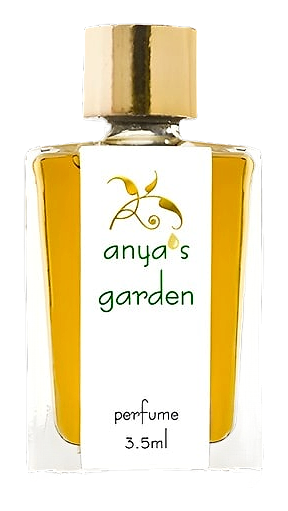
Kewdra is Anya McCoy's tribute to Kudra, the heroine of Tom Robbins' Jitterbug Perfume, a character who understood scent as something closer to breath than ornament. Released in 2010, the fragrance centers on the Kewda flower, treated as the green, herbaceous heartbeat of the composition. Indian pandanus and Indian patchouli join the opening alongside the Kewda, anchoring that raw, almost wild greenery before the floral heart arrives. The Kewda pushes forward with a cool, vegetal snap, like crushed stems still holding moisture, and the Indian patchouli underneath grounds it with its dark, loamy depth. This is botanical perfumery in its most literal sense: materials chosen for their origin, their character, and the particular way they behave on living skin rather than a lab bench.
What makes Kewdra unusual is the sheer density of natural materials doing the heavy lifting. American ambergris, French beeswax, Hungarian angelica, Tasmanian gold boronia, Indian ambrette seed. Each carries geographic specificity, and McCoy builds the composition from those origins rather than from abstract accord logic. The result is a layering that feels less like a perfume pyramid and more like a series of botanical voices entering one by another, each with its own weight and texture.
The evolution
The first ten minutes are green and unapologetic. Kewda flower, pandanus, angelica, and patchouli push forward as crushed stems and damp earth, herbaceous in a way that reads more like a garden than a perfume counter. There's a sweet edge from the beeswax and ambrette seed underneath, but the opening doesn't soften, it sharpens. By the thirty-minute mark, the gardenia and gold boronia arrive, and the composition pivots into something creamy and narcotic. The white florals don't powder themselves; they melt, carrying the green down into something warmer. The ambergris adds a saline, almost oceanic depth that pulls the florals away from cliché. Two hours in, the musk takes over. Not a clean musk, not a soapy one, but a dense, second-skin musk sweetened by Bourbon vanilla and warmed by Ceylonese sandalwood. The woody base settles close to the body, and that's where it stays. On the next morning, what lingers is the sandalwood, the beeswax, and a faint trail of musk that smells like warmth left on a pillow.
Cultural impact
Kewdra arrived in 2010 and won Best New Perfume that year, a notable accolade for a botanical composition. Among wearers, it's the kind of fragrance that attracts people who already know they want something green, musky, and unapologetically botanical. The opening announces itself immediately with that Kewda-forward herbaceousness, sharp and almost grassy, before the composition pivots into its creamy floral heart. Gardenia and boronia give the mid-phase a dense, waxy richness, while the base of ambrette seed and beeswax pulls the whole thing back toward the skin with a warm, musky dryness.