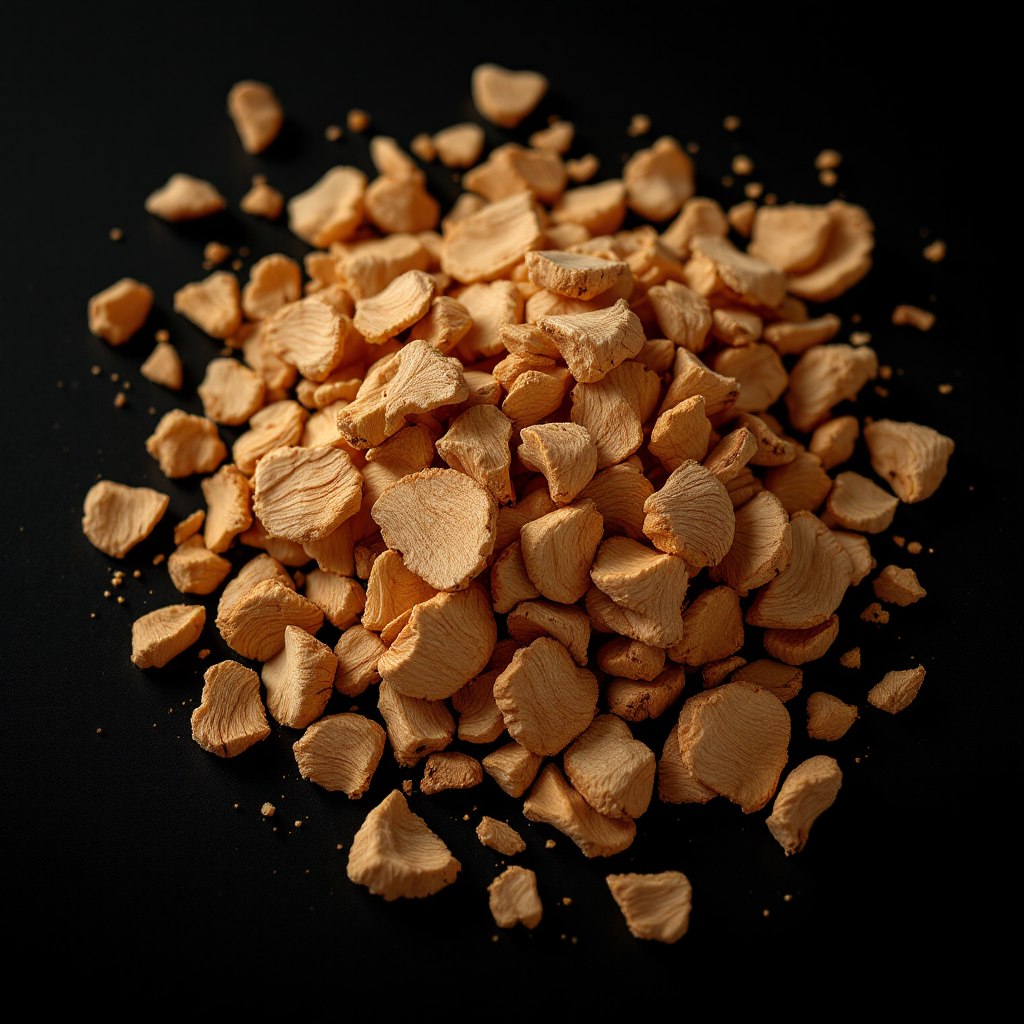
Smoky Woods
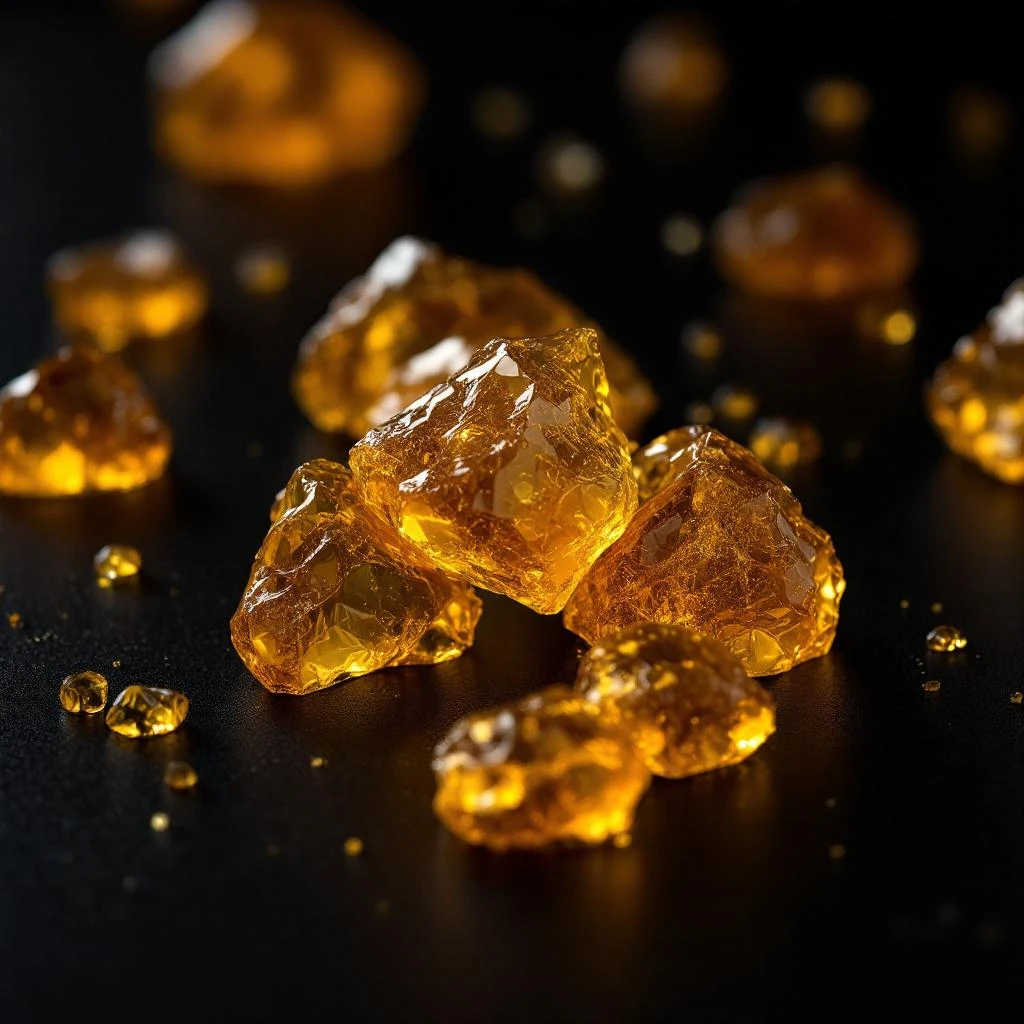
From ancient ritual smoke to modern fragrance creations, smoky woods bring primal fire energy to compositions. These precious materials capture the essence of burning embers and aged timber, creating depth that has fascinated perfumers for centuries.
Character
How it smells
The primal warmth of fire-kissed timber
The word perfume comes from the Latin per fumum, meaning through smoke, tracing directly back to ancient incense ceremonies.


Origin
India
Humans have burned aromatic woods for spiritual purposes since ancient times. Egyptian priests used fragrant smoke in temple ceremonies, Greek and Roman elites employed it at lavish banquets, and Buddhist monks have used oud in meditation practices for centuries.
The word perfume itself comes from the Latin per fumum, meaning through smoke, acknowledging this ancient connection between aromatic materials and their use in ritual contexts. Indigenous communities across Southeast Asia, India, and the Middle East developed their own traditions around smoky woods, each creating distinct relationships with these materials.
Contemporary perfumers continue this lineage, working with the same raw materials but applying them in creative new ways. Each drop of smoky wood oil carries thousands of years of human tradition, bridging ancient ceremony and modern artistic expression.
Wears it best
Fragrances featuring Smoky Woods
Brands
Brands known for Smoky Woods
Good to know
Questions, answered
The essentials on Smoky Woods in perfumery: how it smells, where it comes from, and how it behaves on skin.
What gives smoky woods their distinctive campfire aroma?
Smoky woods contain phenolic compounds and aromatic resins that produce campfire-like notes. Natural smoky woods like oud develop these compounds through the tree's defensive response to infection, creating complex smoky, balsamic, and animalic characteristics that synthetic aroma chemicals attempt to replicate.
How long have humans used smoky woods in fragrance?
Archaeological evidence shows ancient Egyptians burning aromatic woods around 3000 BCE. The word perfume derives from the Latin per fumum, meaning through smoke, directly referencing these early incense practices. Different cultures developed unique traditions, from Greek symposium rituals to Buddhist ceremonies.
What makes oud one of the most expensive fragrance ingredients?
Oud comes from Aquilaria trees only after they become infected with a specific fungus. This natural infection occurs in less than 2% of trees, and the infected wood must then mature for years to develop proper aromatic quality. Combined with labor-intensive steam distillation, this scarcity drives high market value.
Can smoky woods be synthetically reproduced?
Aroma chemists have created synthetic smoky compounds like guaiacol that mimic certain aspects of smoky woods. These alternatives offer consistency and lower cost, but they lack the multidimensional depth that natural smoky woods develop over years of tree maturation.
What fragrance families typically feature smoky woods?
Smoky woods appear most commonly in oriental, woody, and chypre compositions. They work particularly well in men's fragrances and autumn/winter scents. Niche perfumers frequently use smoky woods as signature ingredients, while designer houses often employ them as heart or base notes.
How do smoky woods interact with other fragrance ingredients?
Smoky woods act as fixatives, slowing the evaporation of lighter top notes and extending a fragrance's wear time. They create striking contrasts when paired with bright citruses or delicate florals, adding primal depth and visual weight to a composition.
What is the difference between various smoky wood ingredients?
Oud offers intense, resinous smoke with animalic undertones. Guaiac wood provides softer, sweeter smoky notes with vanillic qualities. Birch tar delivers medicinal, tarry smoke. Each material requires different handling and dilution levels to achieve optimal results.
How should perfumers handle smoky woods when formulating?
Smoky woods are potent ingredients that can overwhelm a formula if used carelessly. Professional perfumers typically dilute these materials to 10% in perfumer's alcohol before incorporation. Starting with minimal amounts, usually 0.5-2% of the final formula, allows careful assessment of their impact.