Chocolatl
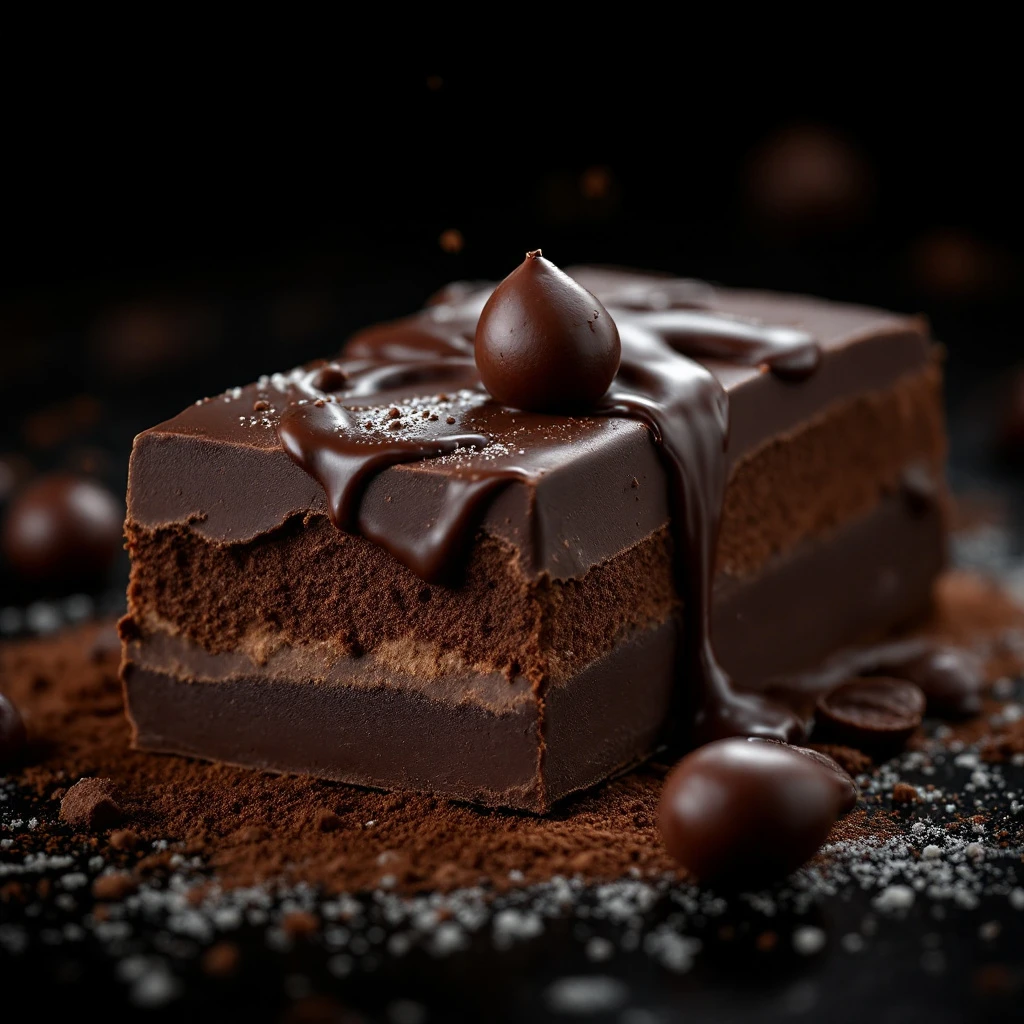
Chocolatl (from Nahuatl 'xocolātl') is a raw cacao absolute in perfumery, prized for its rich, bitter, faintly sweet warmth. Unlike confectionery chocolate, it carries earthy undertones, almost smoky, with raw complexity.
Character
How it smells
Bitter warmth with sacred roots
Chocolatl means 'bitter water' in Nahuatl, the language of the Aztecs who consumed cacao as a frothy, spiced ritual drink long before sugar reached Europe.


Origin
Mexico
Chocolate's story starts in Mesoamerica, where the Maya and later the Aztecs cultivated cacao by 1500 BCE and treated the seeds as currency and sacred offering. Aztec elites drank chocolatl mixed with chili, vanilla, and achiote, reserving it for warriors, nobility, and religious ceremonies.
Spanish conquistadors brought cacao to Europe in the early 1500s, but for decades it remained a court curiosity, sweetened only gradually as cane sugar spread through the continent. Cacao entered perfumery slowly, appearing first as a flavoring in the late 19th century and later as an aromatic material when extraction technology matured.
The 1990s gourmand revolution changed everything: Thierry Mugler's Angel (1992) used chocolate accords and inspired a wave of edible-themed fragrances. Today, cacao absolute anchors gourmand compositions, lending authentic depth to compositions that synthetic chocolate molecules alone cannot deliver.
Wears it best
Fragrances featuring Chocolatl
Brands
Brands known for Chocolatl
Good to know
Questions, answered
The essentials on Chocolatl in perfumery: how it smells, where it comes from, and how it behaves on skin.
What does chocolatl smell like in perfume?
Chocolatl presents as dark, bitter, slightly sweet cacao absolute with roasted, faintly smoky edges. It smells drier and more complex than confectionery chocolate, lending earthy warmth to compositions rather than sugary sweetness.
Is chocolatl the same as chocolate in perfumery?
Not quite. Chocolatl refers to the original Mesoamerican cacao preparation, meaning bitter water. In modern perfumery, the term evokes raw cacao absolute, which lacks the dairy and sugar notes that define confectionery chocolate accords.
How is cacao absolute made?
Producers ferment cacao beans for up to seven days, sun-dry them, and then solvent-extract the nibs with ethanol or hexane to produce a concrete. Washing removes waxes and yields the dark, viscous absolute used in fine fragrance.
Where does cacao for perfume come from?
Cacao for perfumery originates primarily in West Africa (Ivory Coast and Ghana produce roughly 60 percent of global supply), with finer aromatics often coming from Central and South American estates in Mexico, Ecuador, and Venezuela.
Which perfumes feature chocolatl notes?
Cocoa notes anchor many iconic gourmands, including Thierry Mugler Angel (1992), Serge Lutens Jeux de Peau, and Byredo's Marrakech City of God. These compositions use cacao absolute to add grounded warmth.
Is cacao natural or synthetic in perfumery?
Both forms exist. Natural cacao absolute comes from solvent-extracted fermented beans. Synthetic chocolate accords rely on molecules such as pyrazines and furans to recreate the roasted aroma.
Is chocolatl a masculine or feminine note?
Cacao reads as a unisex material. Its bitterness gives it a masculine-leaning edge, yet its warmth and comfort have made it a staple in feminine gourmands since the early 1990s.
Does chocolatl pair well with other fragrance notes?
Cacao absolute pairs exceptionally well with vanilla, tonka bean, pink pepper, and orange, amplifying gourmand warmth. It also complements oud, patchouli, and leather, deepening and slightly sweetening smoky or woody compositions.





