Copal Negro
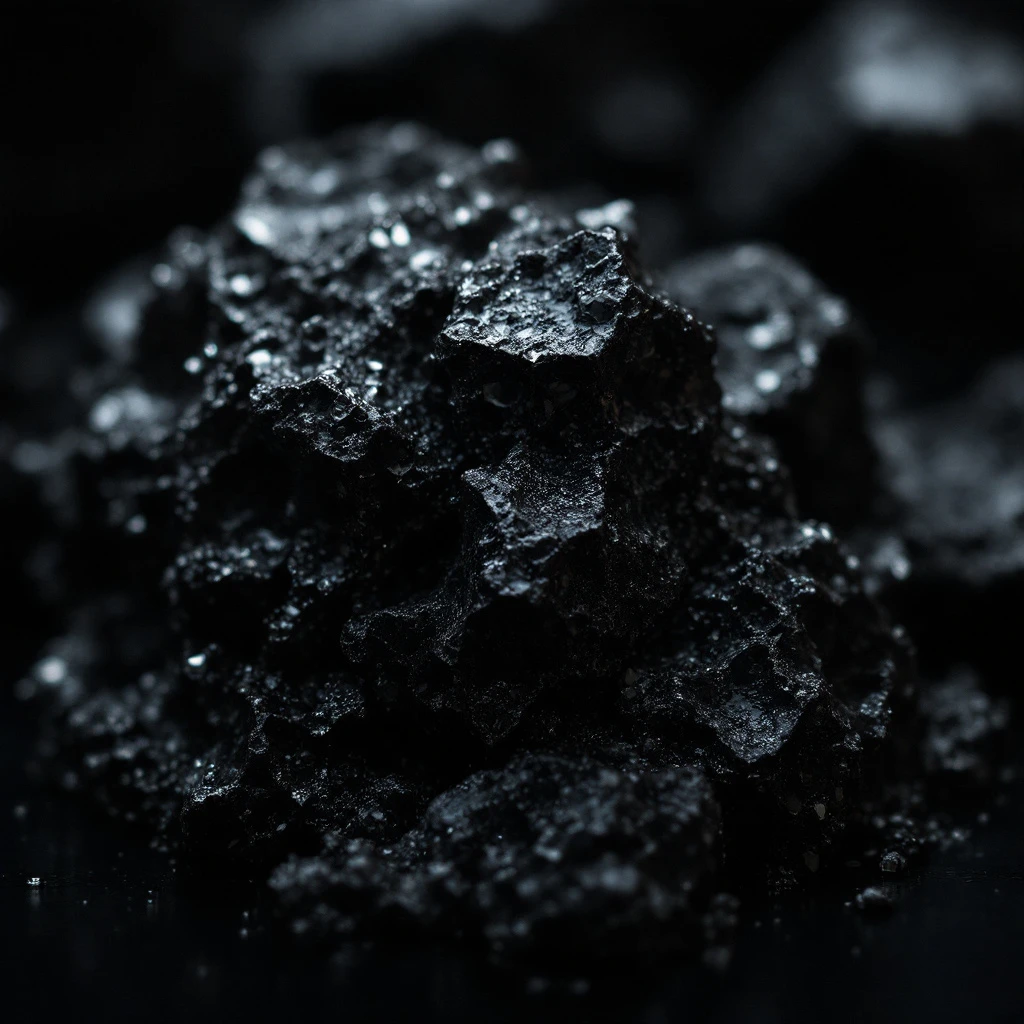
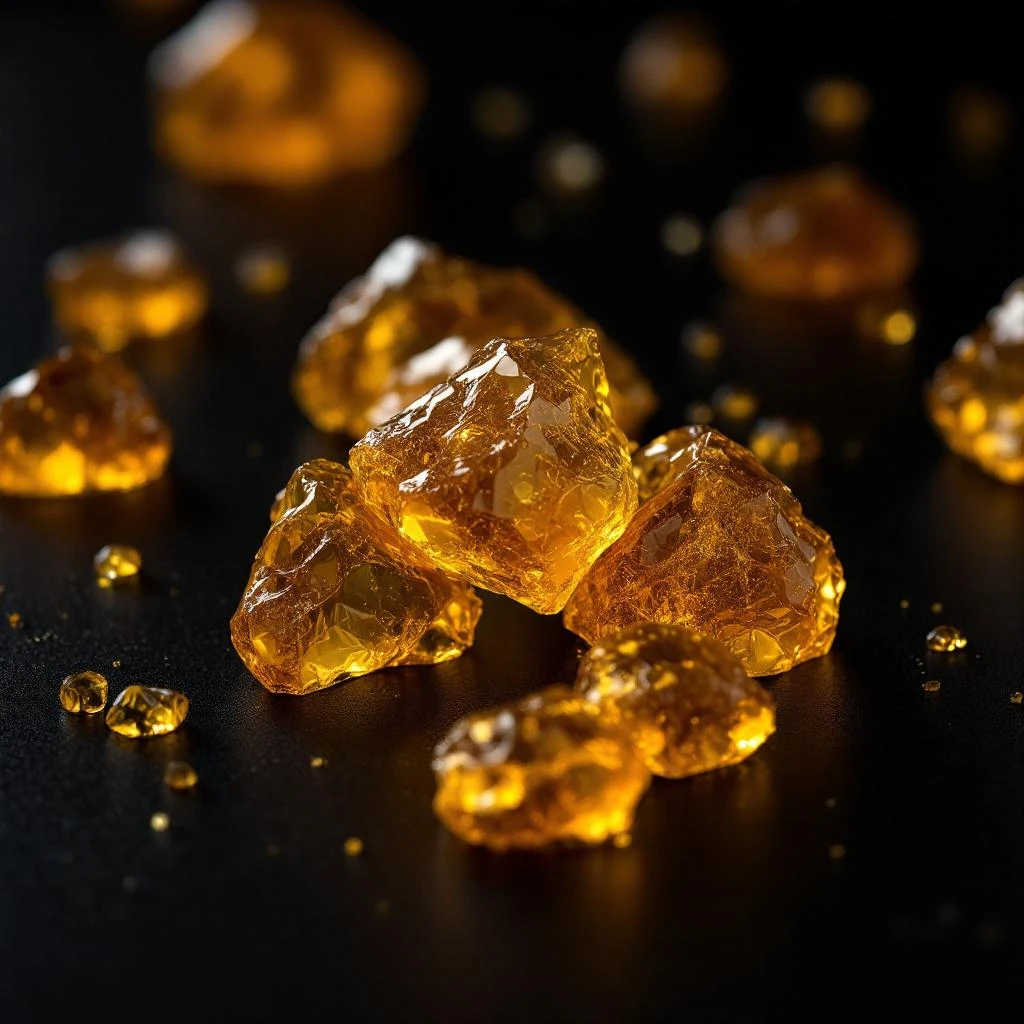
Copal Negro is a sacred resin with roots in pre-Columbian ritual. This rare, semi-fossilized material carries the weight of centuries, from Maya ceremonial fires to modern perfumery's most coveted heart notes.
Character
How it smells
Ancient resin, living scent.
Mesoamerican cultures burned Copal Negro as an offering to the gods. The smoke was considered a bridge between the physical and spirit worlds.


Origin
Mexico
Long before European colonizers arrived, the Maya and Aztecs considered Copal Negro a sacred substance. They burned it during religious ceremonies, funerary rites, and offerings to divine entities. The resin was so prized that during the 1500s and 1600s, Mexican producers converted it into aromatic oils and emulsions specifically for export to Spain, where it influenced early European perfumery practices.
The Sierra Popoluca people of Tehuantepec incorporated Copal Negro into their ritual objects, using deer jawbones and other items as vessels for its sacred smoke. During Day of the Dead celebrations, families across Mexico continue to burn Copal resin to guide spirits back for reunions with the living. In contemporary perfumery, Copal Negro has experienced a renaissance as fragrance houses seek authentic, historically significant ingredients.
Its transition from ceremonial smoke to luxury fragrance component represents a remarkable continuity spanning nearly a thousand years of human olfactory culture.
Wears it best
Fragrances featuring Copal Negro
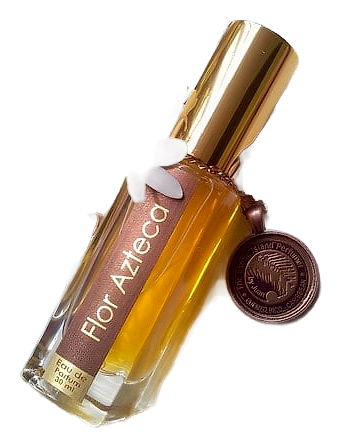
Brands
Brands known for Copal Negro
Good to know
Questions, answered
The essentials on Copal Negro in perfumery: how it smells, where it comes from, and how it behaves on skin.
What does Copal Negro smell like?
Copal Negro features a warm, resinous base with smoky undertones and subtle citrus brightness. It develops into a rich, ambery warmth on the skin that lasts for hours.
Is Copal Negro the same as frankincense?
No. While both are sacred resinous materials, Copal Negro originates from tropical American trees, while frankincense comes from Boswellia species native to the Horn of Africa and the Arabian Peninsula.
Where does Copal Negro come from?
Primary harvests occur in Southern Mexico, particularly in Oaxaca and regions along river edges. A rarer variety also originates from Peru.
Why is it called 'Negro' (Black)?
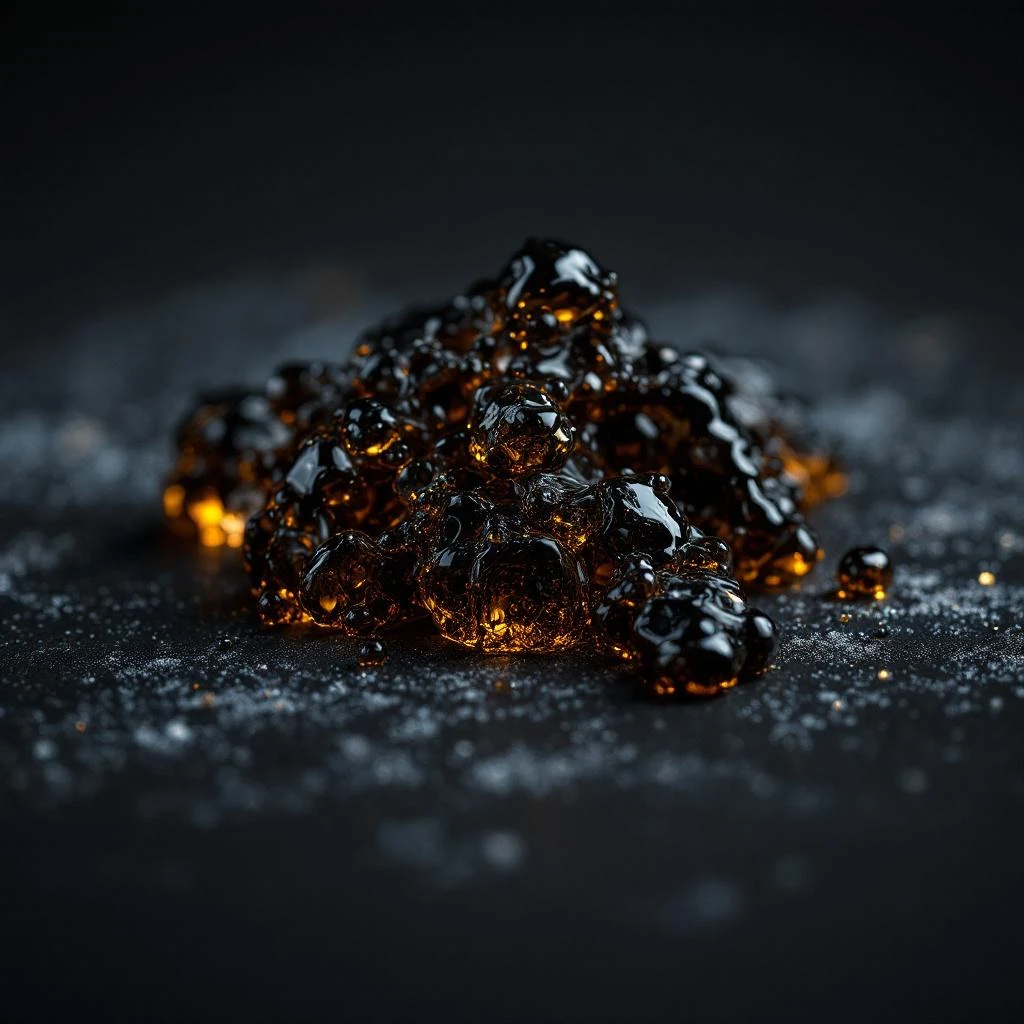
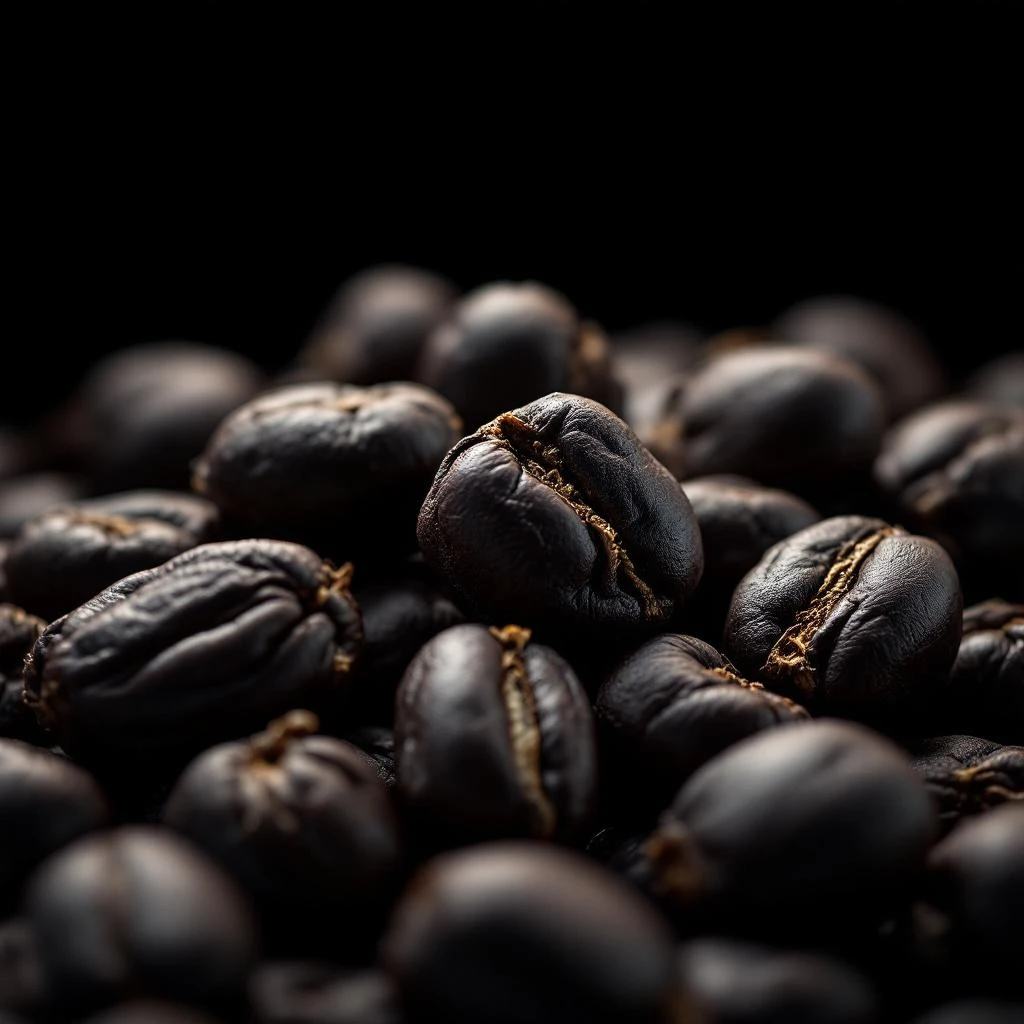
The name refers to its dark coloration, distinguishing it from lighter copal varieties. This darkness develops over centuries of semi-fossilization in river and soil environments.
How sustainable is Copal Negro harvesting?
The semi-fossilized nature of the resin means collections occur from existing deposits rather than live tapping. This makes it a relatively sustainable practice, though the slow formation rate limits supply.
Which perfumes feature Copal Negro?
Copal Negro appears in niche and artisanal fragrances seeking warm, resinous base notes. It pairs well with oud, amber, vanilla, and smoky accords.
Can Copal Negro be burned as incense?
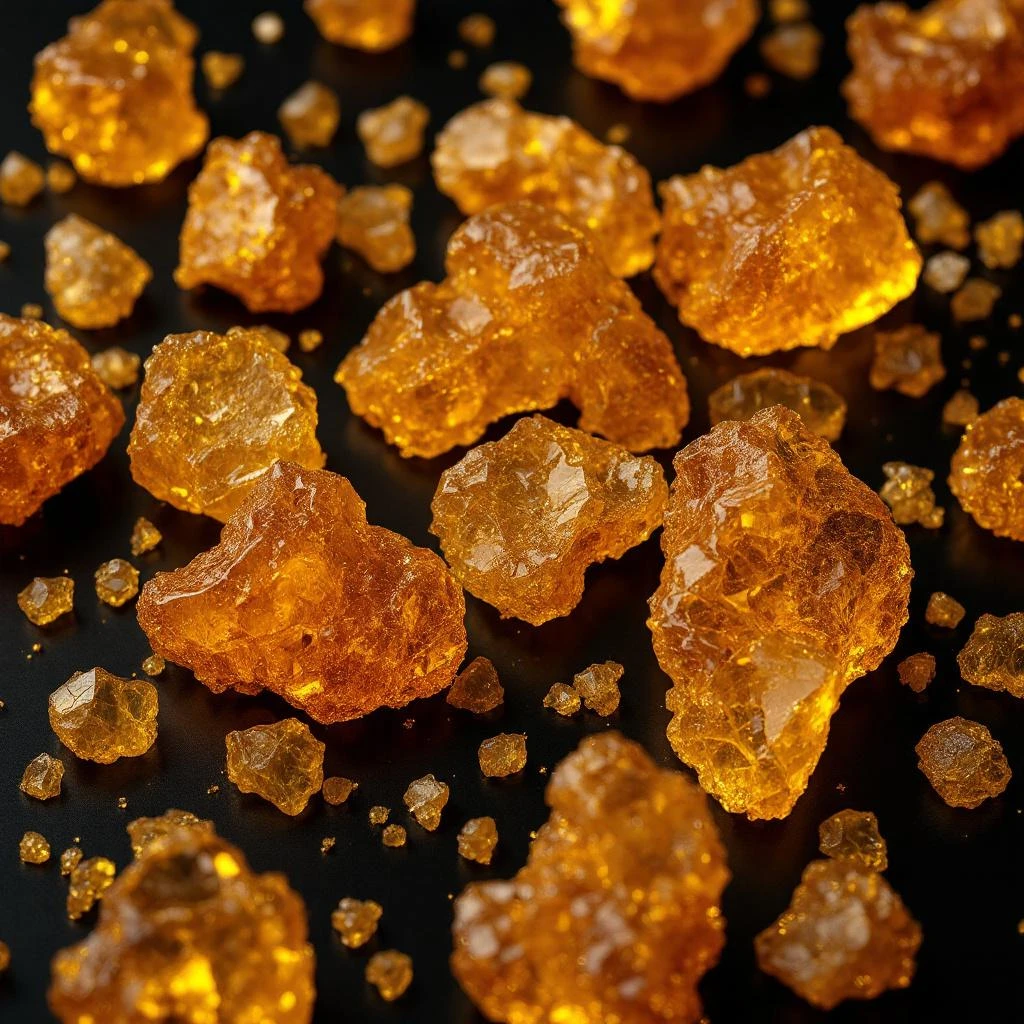
Yes. Burning Copal Negro as incense represents its oldest use. Place small chips on a charcoal disc or electric incense heater for best results.
How long has Copal Negro been used in perfumery?
Mesoamerican cultures shipped Copal resin to Spain as aromatic oils during the 1500s, marking its entry into Western perfumery nearly 500 years ago.