Smoked Birch
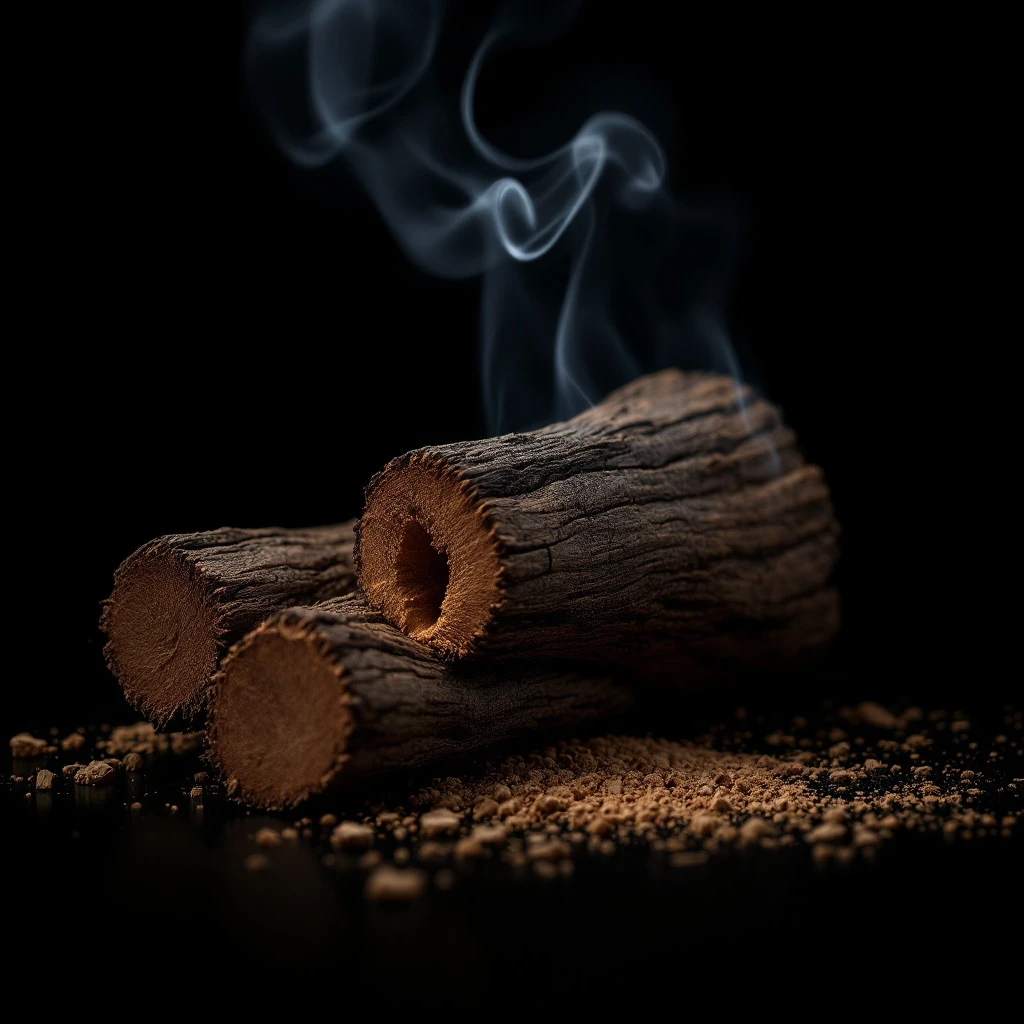
Smoked Birch delivers the sharp, tarry intensity of birch bark transformed by fire. This leathery, phenolic note carries the cold memory of northern forests and ancient hearths into modern perfumery.
Character
How it smells
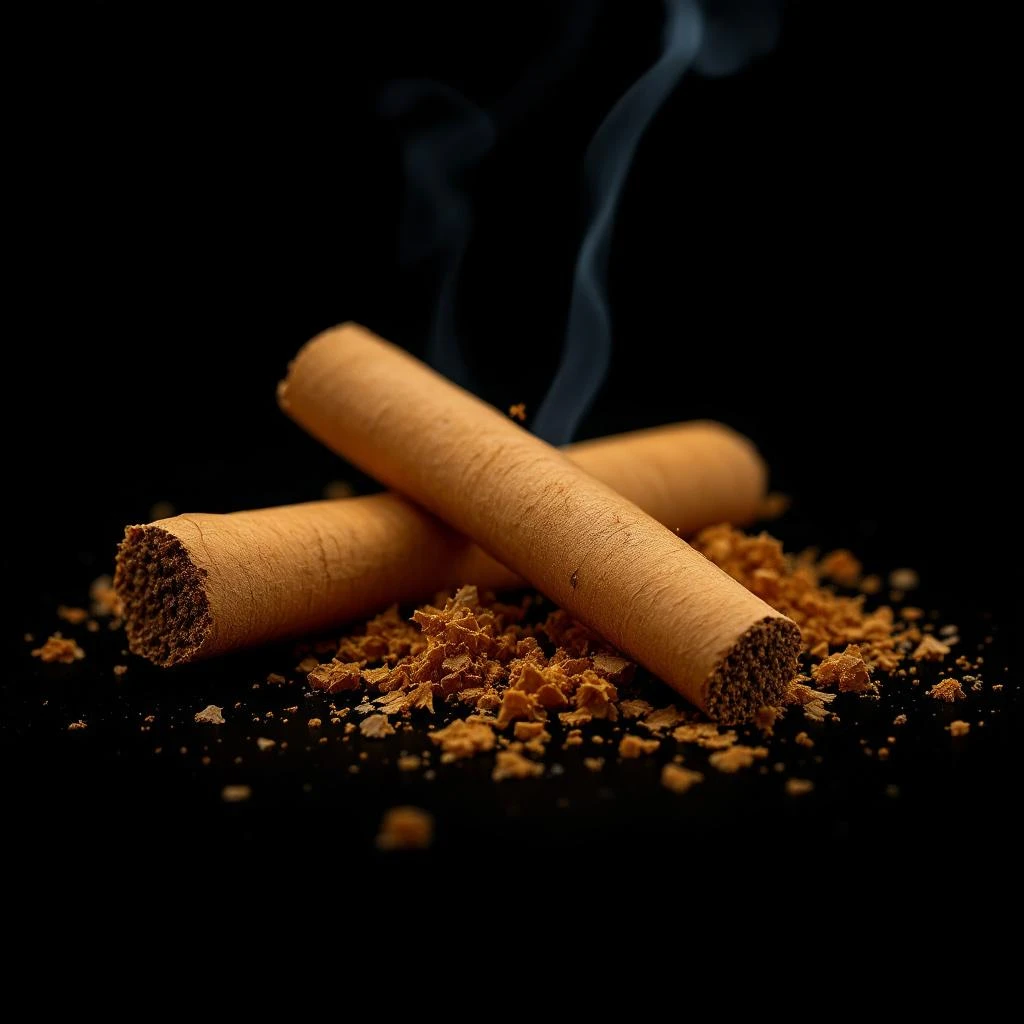
Fire met forest bark, perfumery got its darkest note.
The word 'perfume' literally means 'through smoke,' a practice pioneered when early humans burned aromatic woods and barks during ritual offerings.

Origin
Russia
Smoke as a fragrance practice predates written history. Early humans discovered that burning certain woods and barks released aromas more compelling than the raw materials themselves, linking perfumery's very origins to fire. The word 'perfume' derives from the Latin 'per fumum,' meaning 'through smoke.'
Birch bark held particular value across northern cultures, where Slavic and Scandinavian peoples burned it in ceremonies and used it to tan leather, incidentally creating the signature scent of Russian leather goods by the 18th century. Chemists in the 19th century isolated specific aromatic compounds from birch tar as organic synthesis advanced, including materials that would later anchor masculine and avant-garde fragrances. By the 20th century, smoked birch notes became synonymous with bold, unconventional compositions, signaling a deliberate departure from traditional floral and citrus paradigms toward something rawer and elemental.
Today, this note bridges ancient ritual and contemporary craft, carrying forward the primal human attraction to smoke-laced materials.
Wears it best
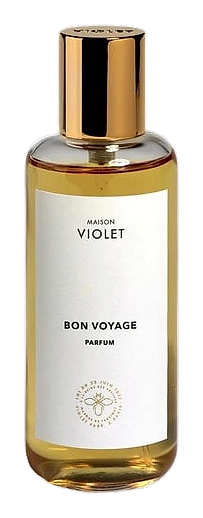
Fragrances featuring Smoked Birch
Brands
Brands known for Smoked Birch
Good to know
Questions, answered
The essentials on Smoked Birch in perfumery: how it smells, where it comes from, and how it behaves on skin.
What does smoked birch smell like?
Smoked birch produces a sharp, phenolic aroma with dominant leather and tar facets. The scent evokes charred wood and cured hide, carrying an unmistakable campfire intensity that distinguishes it from softer smoke notes.
How is smoked birch extracted for perfumery?
Producers use dry distillation, heating birch bark to 400-600 degrees Celsius without oxygen. This pyrolysis process yields birch tar oil, the dark, concentrated material responsible for the note's characteristic intensity.
Is smoked birch natural or synthetic?
Genuine smoked birch comes from natural birch tar via pyrolysis. Some modern versions incorporate synthetic replicas like guaiacol or 4-methylguaiacol to recreate specific facets, but authentic material remains bark-derived.
Why is smoked birch associated with Russian leather?
Northern European tanneries historically used birch bark oil to cure hides, a technique perfected in 18th century Russia. The resulting leather carried a distinctive smoky-phenolic scent that became globally recognized as 'Russian leather.'
Which birch species produce smoked birch perfume oil?
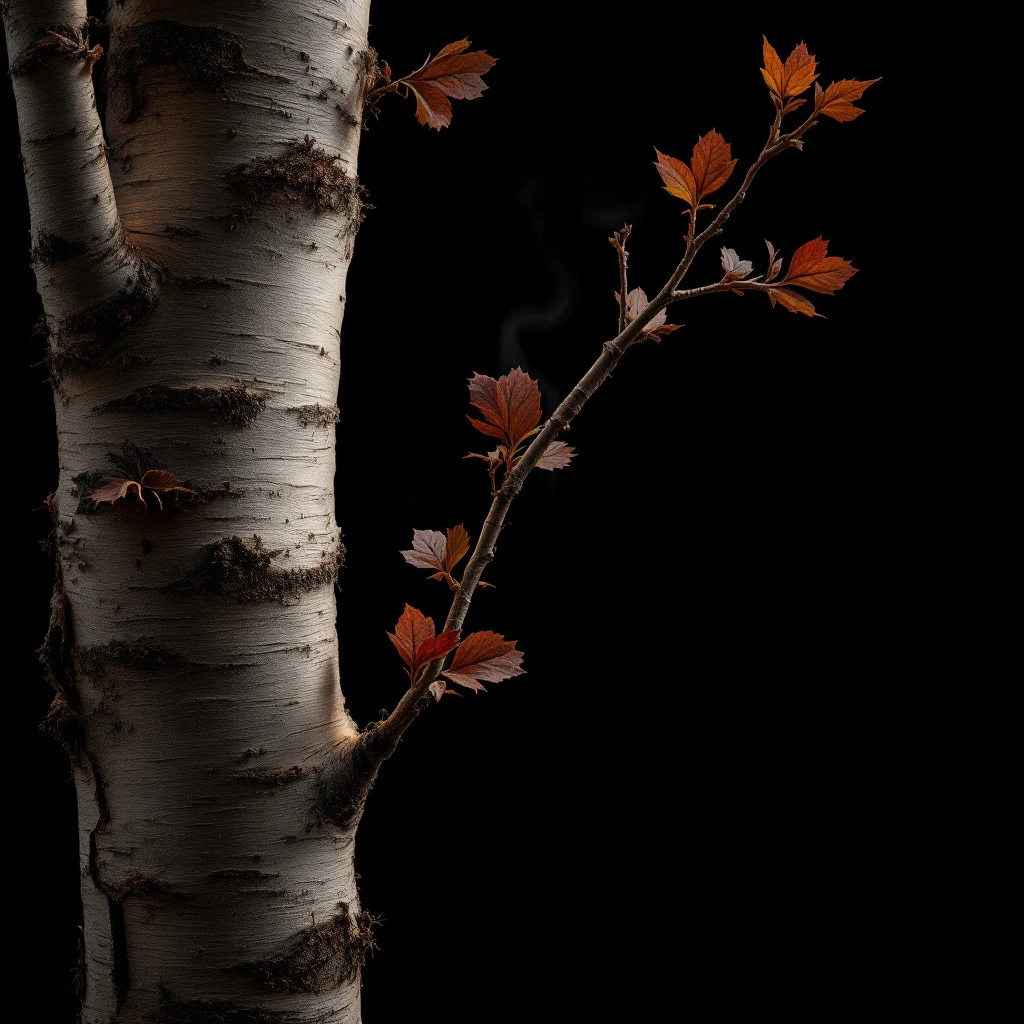
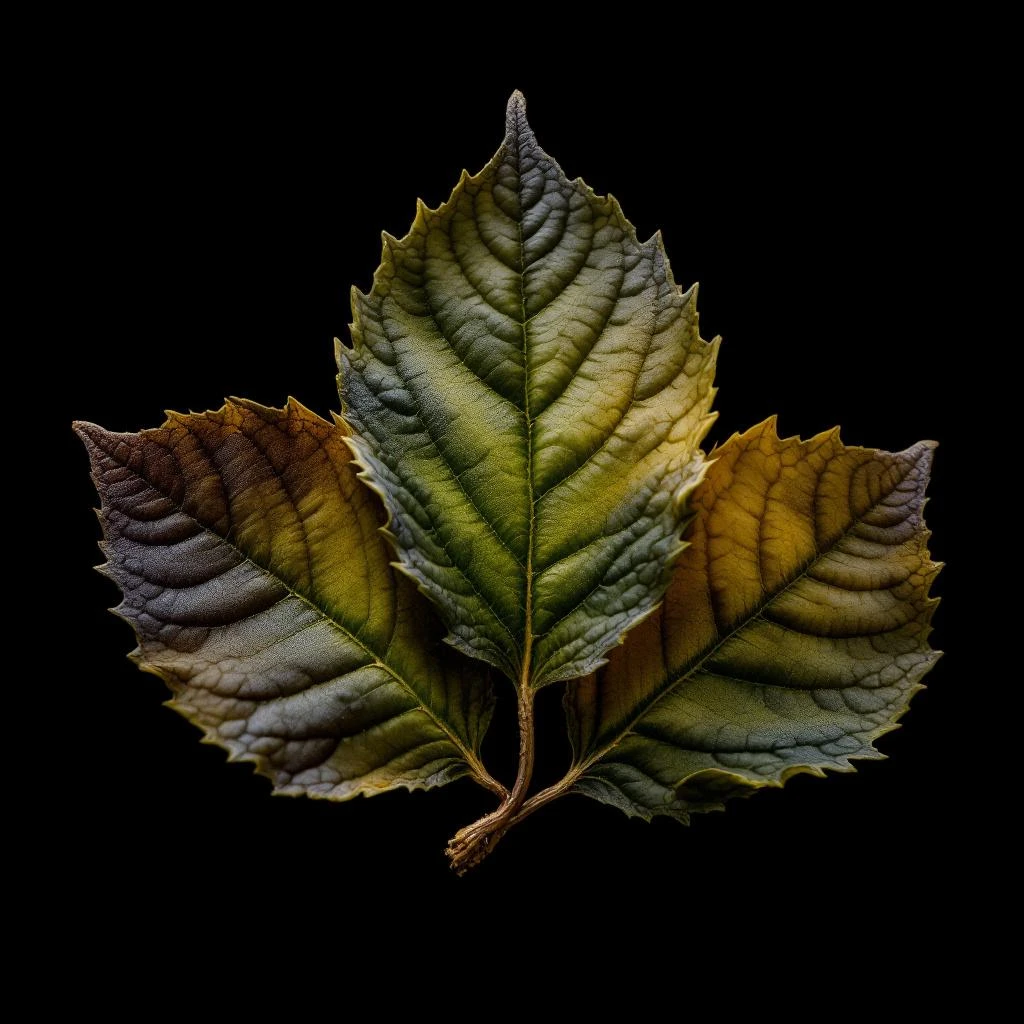
Perfumery-grade birch oil derives primarily from Betula pendula (silver birch) and Betula papyrifera (paper birch). Both species grow across northern Europe, Russia, and North America, yielding tar with consistent aromatic character.
How strong is smoked birch in a fragrance formula?
Smoked birch is intensely concentrated. Even at fractional percentages in a composition, it dominates accords and persists for hours on skin, which is why perfumers treat it as a base-note anchor rather than a modifier.
What fragrance families use smoked birch?
Smoked birch appears most often in chypre, leather, and woody oriental compositions. It lends these families a rugged, fire-derived edge and frequently anchors masculine and niche fragrances seeking unconventional character.
Is smoked birch the same as birch tar?
They are closely related but not identical. Smoked birch describes the olfactory impression in a finished fragrance, while birch tar is the raw pyrolyzed material; rectified birch tar oil is a purified perfumery-grade extract.