Canelé
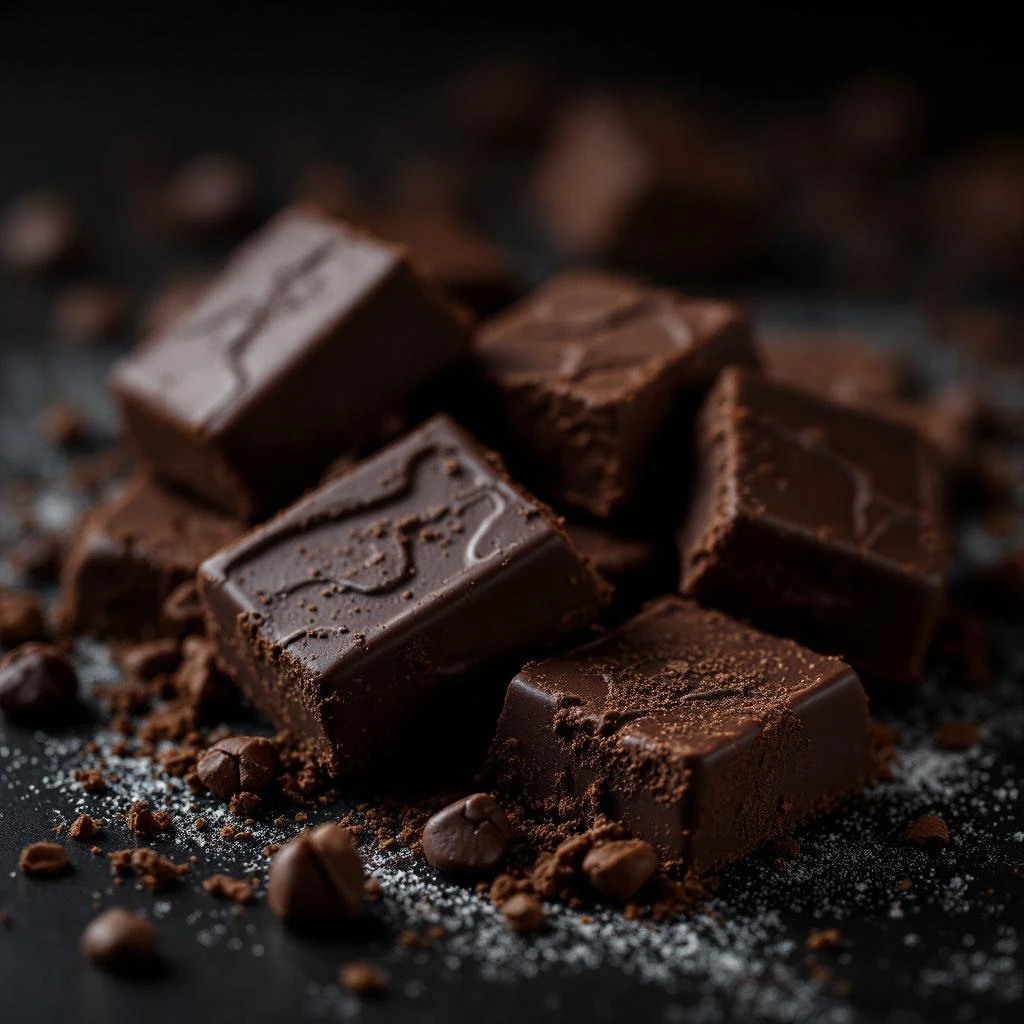
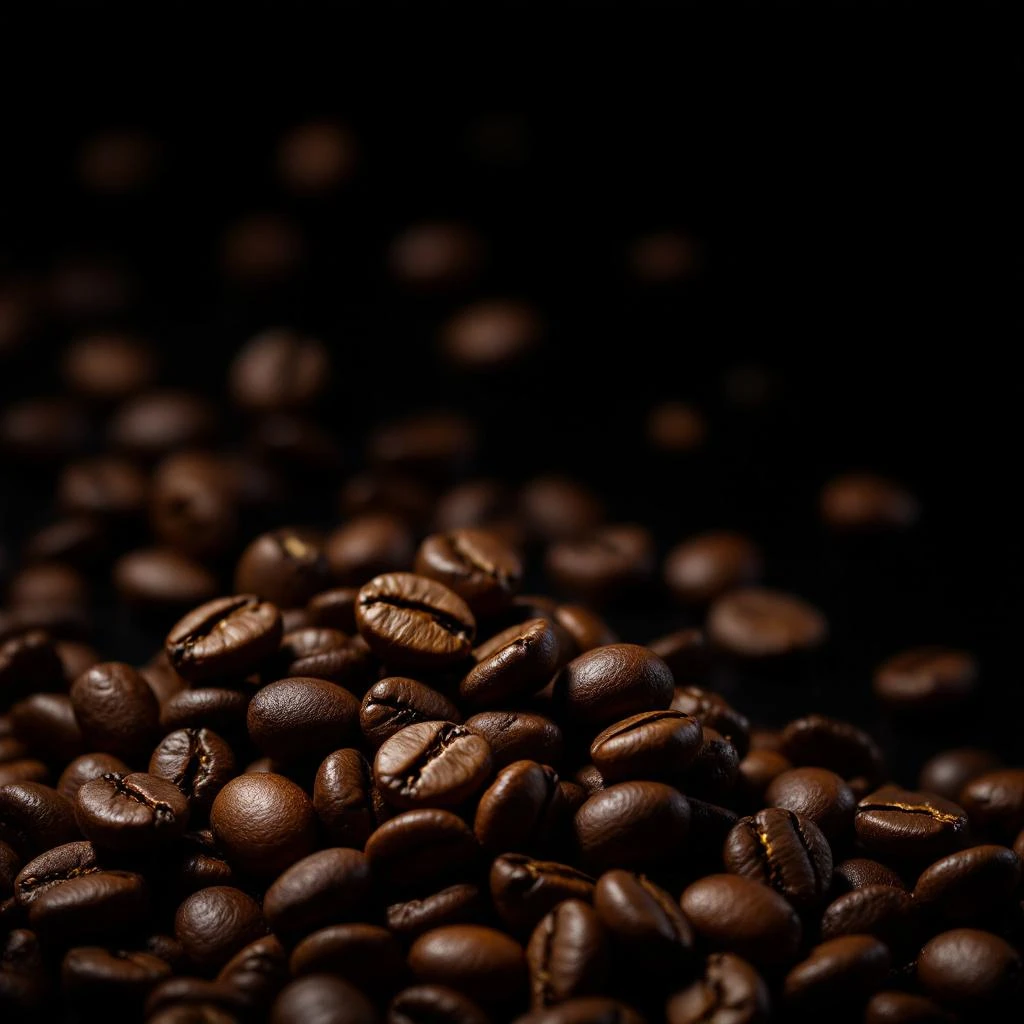
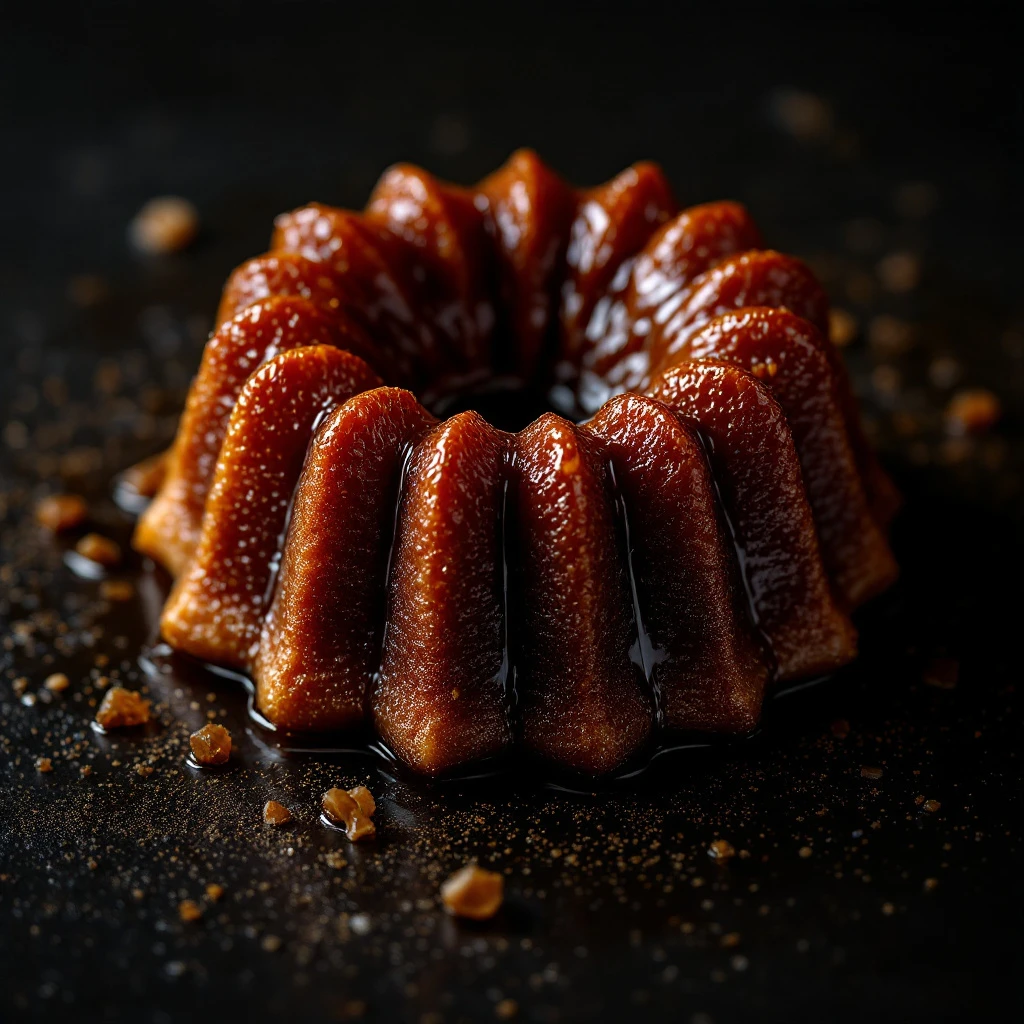
Canelé translates a French pastry into scent: caramelized vanilla, rum-soaked custard, and a scorched-butter edge. It is a gourmand note conjuring warmth, sweetness, and the dark crust of a freshly baked Bordeaux treat.
Character
How it smells
Caramelized custard, rum warmth, scorched butter.
The canelé pastry dates to 18th-century Bordeaux, but its arrival as a perfume note came only after the rise of edible-gourmand compositions in the early 2000s.
Pairs beautifully with

Origin
France
The canelé is a small, fluted pastry with a dark, lacquered crust and a tender custard center. It emerged in Bordeaux sometime in the 18th or 19th century, traditionally linked to convent kitchens where leftover egg yolks from wine clarification found their way into desserts.
Its move into perfumery waited centuries. The gourmand category itself only crystallized in the early 1990s, after Thierry Mugler's Angel proved that vanilla, caramel, and edible-seeming notes could anchor a fine fragrance rather than serve as playful background.
Once that door opened, perfumers began dissecting specific foods into molecular components. The canelé accord is a natural extension: it borrows from a pastry that already smells like a perfume, then reconstructs that smell through the language of synthetic chemistry.
Wears it best
Fragrances featuring Canelé
Brands
Brands known for Canelé
Good to know
Questions, answered
The essentials on Canelé in perfumery: how it smells, where it comes from, and how it behaves on skin.
What does canelé smell like in perfume?
Canelé in fragrance smells like caramelized vanilla, warm rum, and lightly scorched butter. It evokes the dark, lacquered crust of the Bordeaux pastry rather than a literal food. Most compositions treat it as a soft gourmand anchor.
Is canelé a natural or synthetic note?
Canelé is a synthetic reconstruction, since there is no plant or animal source that smells precisely like the pastry. Perfumers build it from aroma molecules such as furaneol, vanillin, ethyl vanillin, and trace rum-lactone accords.
Where did the canelé pastry originate?
The canelé pastry originated in Bordeaux, France, with historical links to 18th-century convent kitchens. Its move into perfumery is far more recent, tied to the gourmand trend that took hold in fine fragrance during the 1990s.
What fragrance families include canelé notes?
Canelé belongs primarily to the gourmand family, often intersecting with oriental and amber compositions. It pairs naturally with tonka, benzoin, and burnt sugar notes, and occasionally appears in boozy or spiced amber builds.
Is canelé note suitable for sensitive skin?
Canelé accords are built from synthetic molecules evaluated under IFRA standards, so skin tolerance depends on the full formula rather than the note itself. Anyone with fragrance sensitivity should review the complete ingredient list with the brand.
How long does a canelé note typically last on skin?
Canelé notes are base-heavy accords dominated by vanillin, lactones, and caramelic molecules. They commonly persist 6 to 10 hours on skin, depending on concentration, with the rum and burnt-butter facets fading earlier than the vanilla drydown.
Which ingredients create the canelé accord?
Perfumers typically combine furaneol or sotolone for caramel, vanillin and ethyl vanillin for custard sweetness, oak-derived lactones for rum warmth, and diacetyl for the scorched-butter edge. The exact blend varies by perfumer.
Can canelé notes be layered with other gourmands?
Yes. Canelé layers well with tonka bean, benzoin, burnt sugar, and boozy accords, since the underlying vanillin and caramel structures are shared. Avoid stacking it with sharp citrus or fresh green notes, which can clash with its baked warmth.