The Story
Why it exists.
The beginning
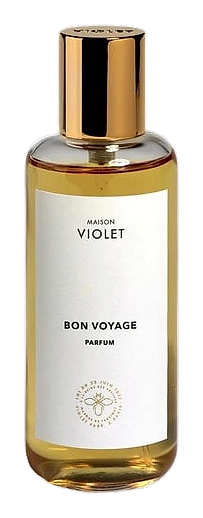
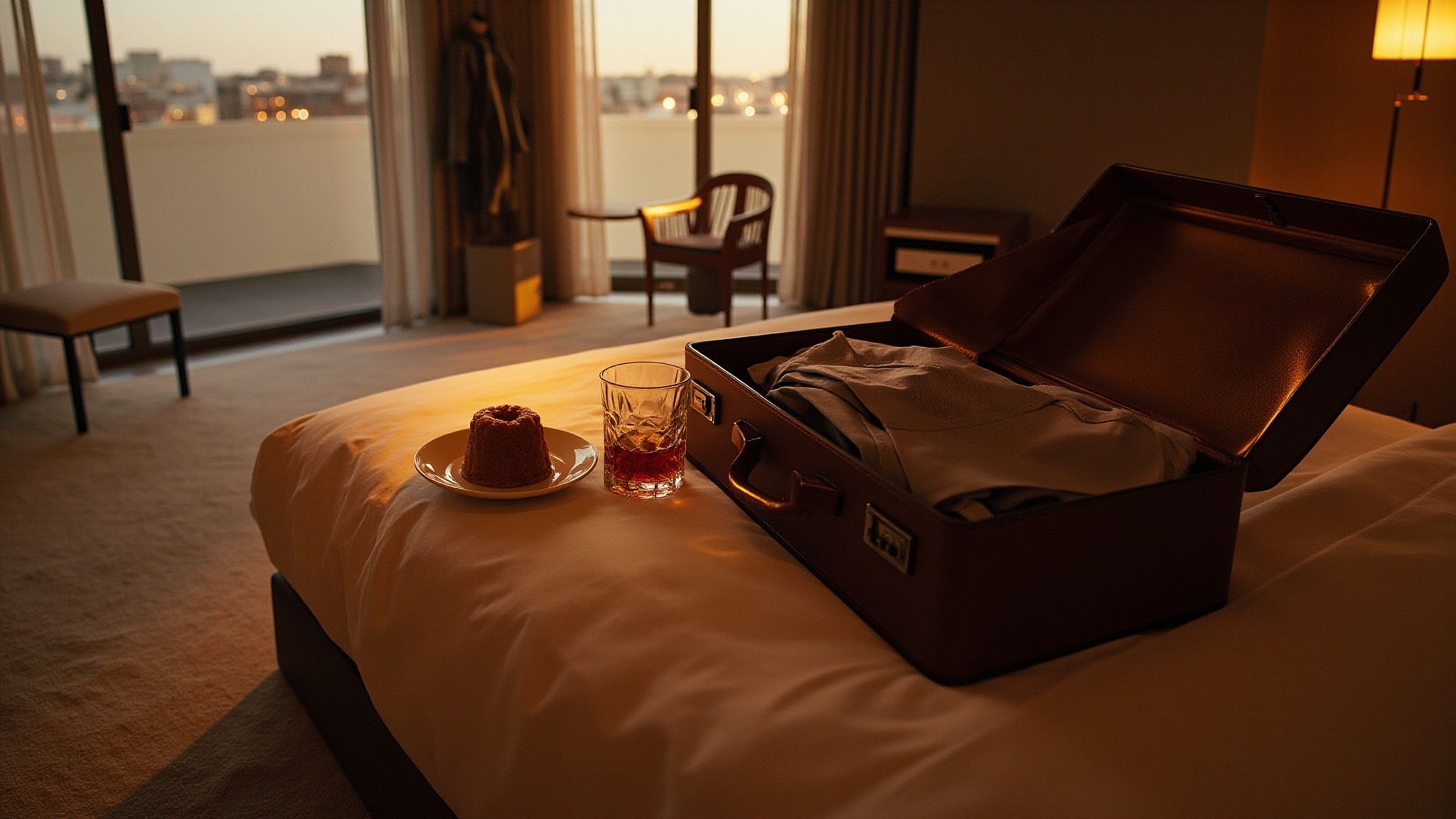
Bon Voyage reads like exactly what the name promises: a send-off. Not a destination scent. A going-away scent, for the hour between packing and actually stepping out. The brief seems to have been a fragrance that smells like anticipation, that specific warmth you feel in the back of your neck when a trip is hours away and everything is still possible. Rum and spices open it with that bright, slightly nervous energy, the kind of warmth that hits the skin like a first sip. The heart softens into canelé and dried fruits, a pastry-adjacent sweetness that reads more like memory than recipe. The base settles into blond tobacco, smoked birch, and vanilla, which is what you smell like once you've sat down on the plane and finally exhaled.
What makes the composition work is the threading between its gourmand elements and its warmth. Canelé and dried fruits aren't strangers, but pairing them with rum and a spice-led top gives the sweetness something to push against. Most gourmand-spice compositions let the spices dominate the opening and the edible notes trail behind. Here, the heart holds its ground, and the interplay reads almost like the inside of a packed suitcase that smells faintly of good things to come. It's a balance that requires restraint. The rum gives it lift without turning it boozy.
The evolution
The first twenty minutes are the loudest the fragrance ever is. Rum and spices have that bite, almost electric, and the opening sits on the skin like a warm hand pressed to your wrist. A flash of sweetness lifts the whole thing briefly, then pulls back as the heart starts to take shape. By the thirty-minute mark, the spice has mellowed into something rounder, almost like the residue of a candle that's been burning in the next room, and canelé arrives first, that custard-soft warmth, followed by the sticky, raisined depth of dried fruits. There's a faint sweetness that keeps things from getting too dense, a sugar-dust quality that never crystallizes. Around the two-hour mark, the base begins its slow takeover. The transition is gradual, almost geological, as the tobacco begins to surface and the smoke from the birch wraps itself around everything underneath.
Cultural impact
Bon Voyage arrives at a moment when travel itself has become a kind of fantasy currency, a sensory idea more than a physical act. The name does a lot of the work, conjuring motion, transit lounges, the soft panic of a packed bag, the quiet pleasure of wheels-up. The composition leans into that feeling without ever illustrating it literally. There's no coconut, no suntan oil, no postcard shorthand. Instead you get canelé, dried fruits, rum, tobacco, smoked birch, vanilla, a set of notes that read as the aftermath of a good evening rather than the brochure for the next one.