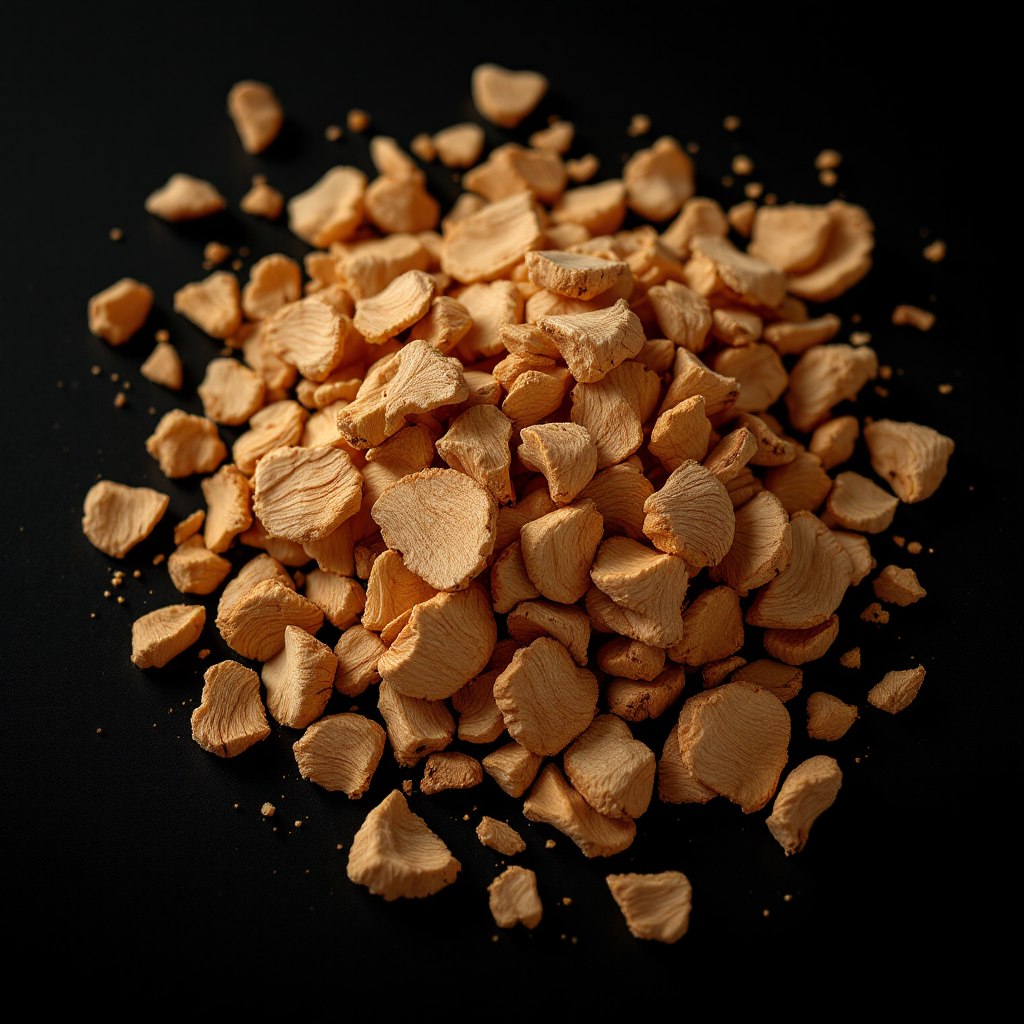
Slovene Juniper Berry
Slovene Juniper Berry delivers a crisp, forest-fresh character shaped by Alpine elevation and Mediterranean coastal influence. The berries ripen slowly on resilient conifer trees, developing a complex aromatic profile prized in fine perfumery.
Character
How it smells
Alpine forests, distilled. Crisp. Woody. Bold.
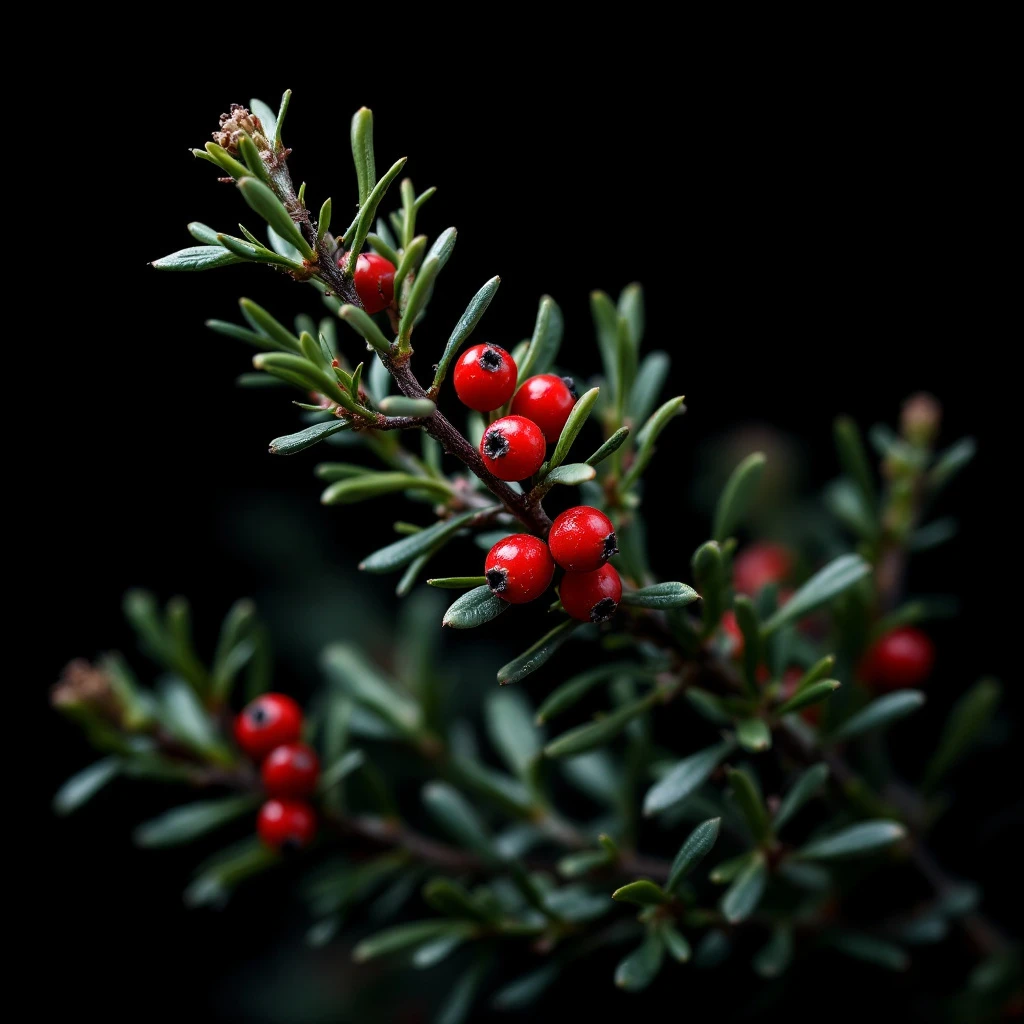
Juniper berries technically aren't berries at all. They're fleshy seed cones, and it takes three full years for a single cone to ripen on the branch.

Origin
Slovenia
The name juniperus derives from the Latin junior, meaning young, paired with parere, to produce. This references the evergreen nature of the tree and its constant renewal. Juniper has served humanity for millennia, from ancient Egyptian funerary practices to Roman preservation techniques.
The Slovenian Alps have long provided ideal growing conditions, where slow-maturing berries develop concentrated aromatic compounds under dramatic temperature shifts between seasons. Balkan and Alpine communities traditionally harvested juniper berries by hand, a practice requiring patience given the three-year ripening cycle. The species Juniperus communis thrives across Southeastern Europe's mountainous regions, where elevation and soil composition produce berries with particularly intense essential oil content.
Slovenian perfumers have developed distinct harvesting traditions that honor both the land and the slow-growing nature of this remarkable conifer.
Wears it best
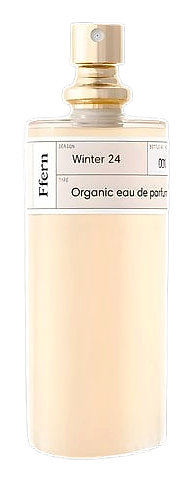
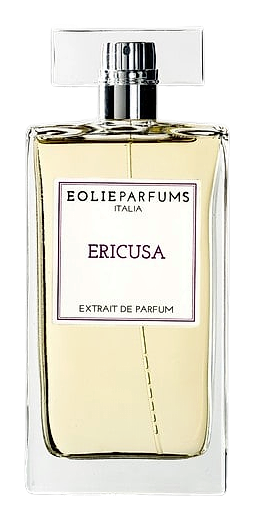
Fragrances featuring Slovene Juniper Berry
Brands
Brands known for Slovene Juniper Berry
Good to know
Questions, answered
The essentials on Slovene Juniper Berry in perfumery: how it smells, where it comes from, and how it behaves on skin.
What does Slovene Juniper Berry smell like?
Slovene Juniper Berry offers a crisp, pine-forward scent with spicy and resinous undertones. Alpine-grown specimens tend toward sharper, more camphorated qualities compared to lower-elevation sources.
Is juniper berry actually a berry?
No. Juniper berries are technically fleshy seed cones, the reproductive structures of conifer trees in the Cupressaceae family. This botanical distinction affects their aromatic development during ripening.
How long does it take for juniper berries to ripen?
Juniper berries require approximately three years to fully ripen on the branch. This extended maturation contributes to their concentrated aromatic compounds and complex scent profile.
What extraction method produces juniper berry essential oil?
Steam distillation extracts essential oil from juniper berries. This method uses controlled heat to vaporize volatile compounds, which are then condensed and separated from the hydrosol.
Why does Slovenian juniper berry oil stand apart?
Alpine elevation and dramatic seasonal temperature shifts stress the juniper plants, causing them to produce more concentrated essential oils with heightened resinous and camphorated characteristics.
What fragrance families pair well with juniper berry?
Juniper berry integrates seamlessly with coniferous, citrus, and aromatic fragrance families. It performs especially well in fougère, chypre, and modern woody compositions.
Does juniper berry oil composition vary by origin?
Research confirms that geographical origin and plant age significantly affect essential oil composition. Alpine sources like Slovenia typically yield higher monoterpene content than lowland varieties.
Is juniper berry used in food and beverages beyond perfumery?
Yes. Juniper berry oil appears in food flavorings and beverage production, particularly in gin distillation. The Slovenian CO2 extract format offers an alternative for flavor applications requiring different solubility characteristics.