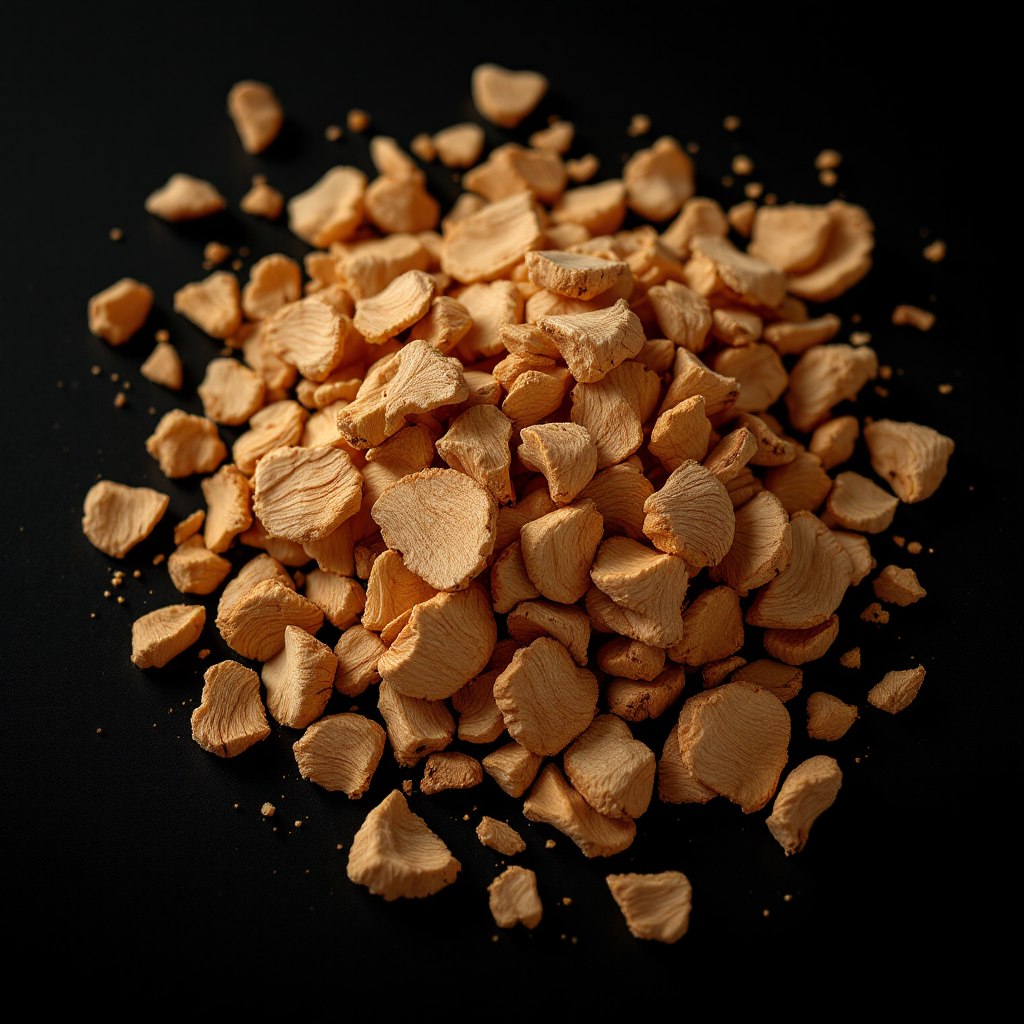
Sandalwood Root
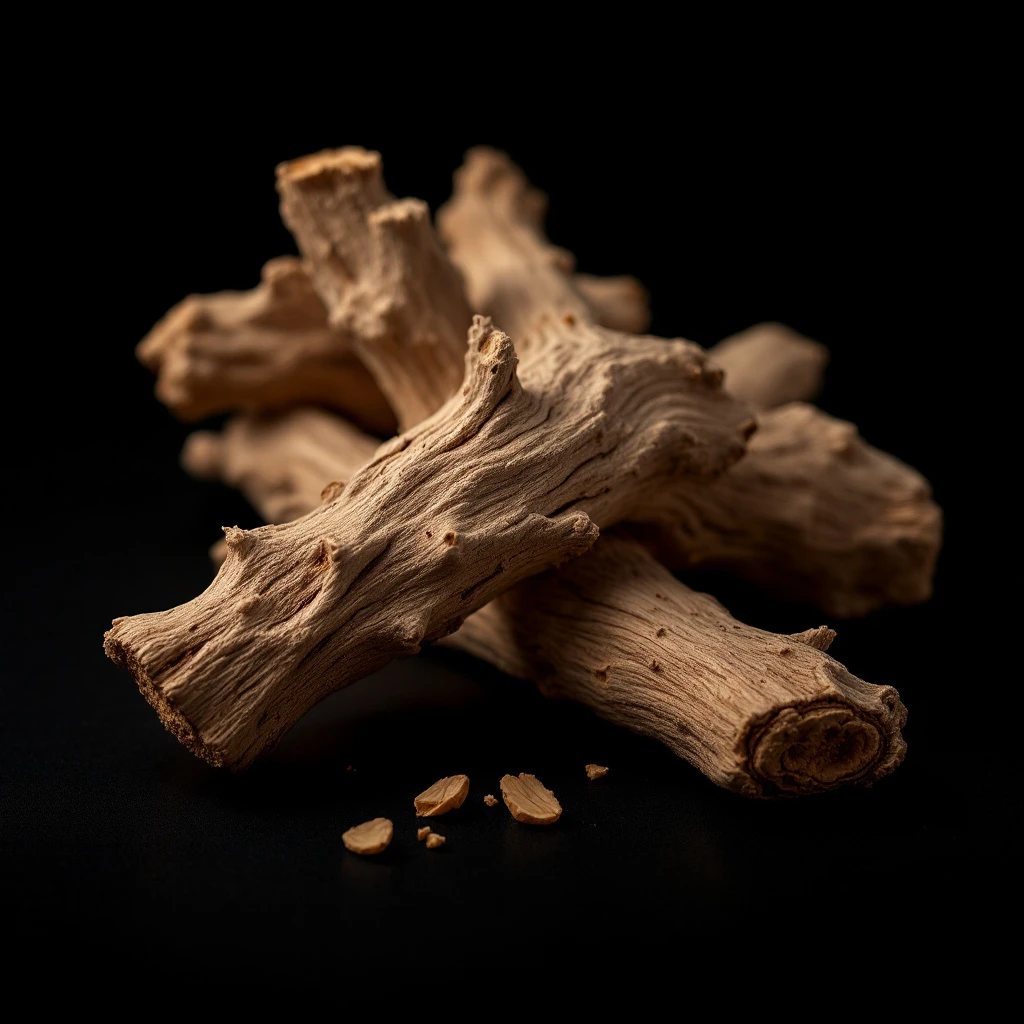
Sandalwood root anchors perfumery with its creamy, milky warmth and 4,000 years of sacred tradition. Extracted from the heartwood, this precious ingredient delivers a soft, woody signature prized in fine fragrance.
Character
How it smells
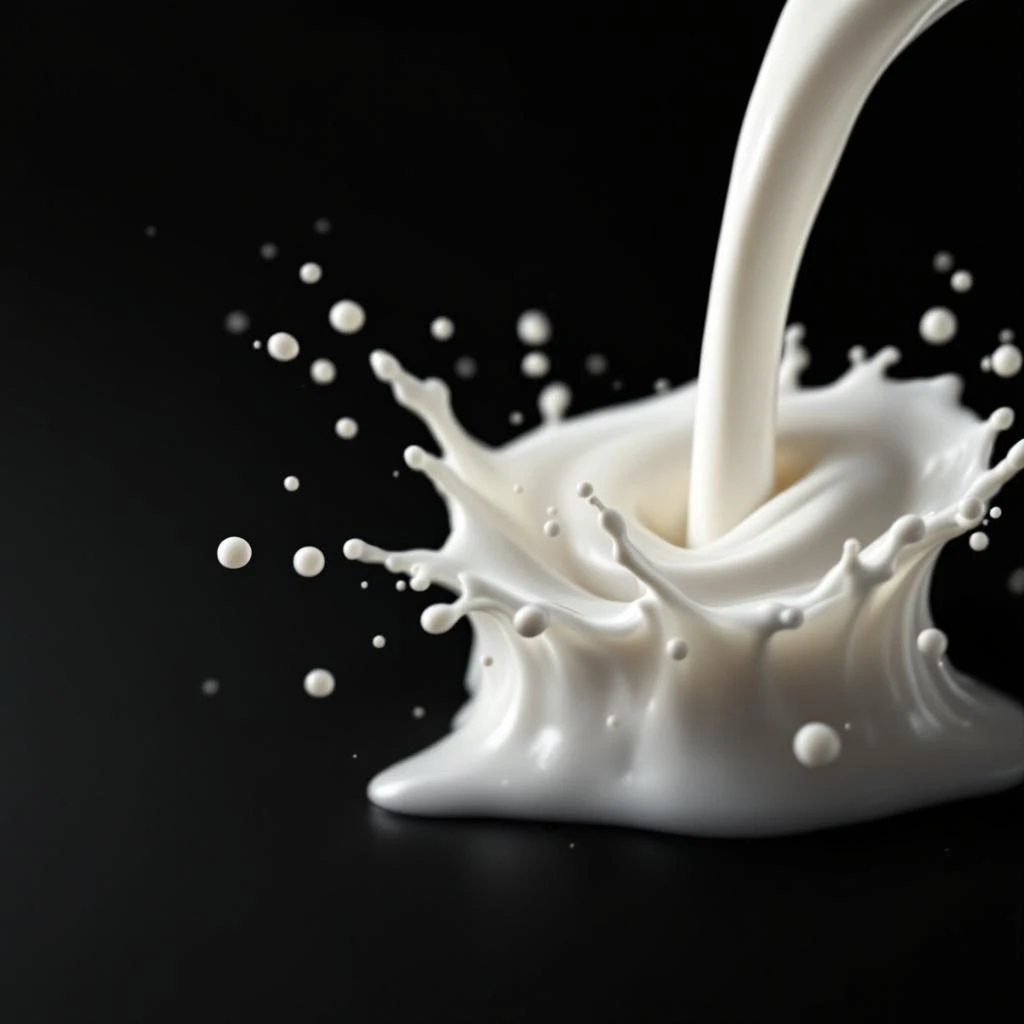
Creamy, sacred wood with 4,000 years of perfumery heritage
Sandalwood oil contains two primary molecules, alpha- and beta-santalol, which are responsible for its signature creamy scent and slow evaporation on skin.

Origin
India
Sandalwood holds one of the longest continuous histories of any perfumery ingredient, spanning roughly 4,000 years across multiple civilizations. Ancient Egyptians used it in embalming rituals, while Chinese and Tibetan cultures burned the fragrant wood as incense as early as 700 BCE.
In India, documented use extends back to the seventh century BCE, where sandalwood became central to religious ceremonies, Ayurvedic medicine, and temple rituals across the subcontinent. Indonesian, Indian, and Oceanian sources originally supplied the perfumery trade, with Santalum album growing wild across southern Indian states for centuries.
The transition to commercial distillation in the late 19th century, particularly after Australian operations scaled up around 1900, brought sandalwood into global fragrance houses. Today, it remains a cornerstone material in incense, traditional medicine, and luxury composition.
Wears it best
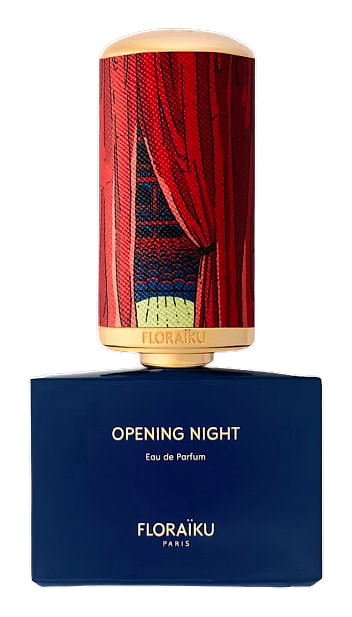
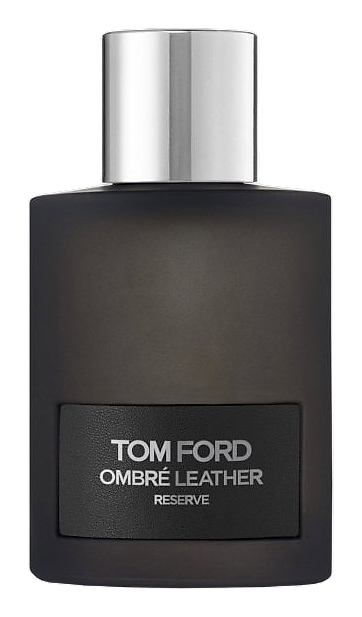
Fragrances featuring Sandalwood Root
Good to know
Questions, answered
The essentials on Sandalwood Root in perfumery: how it smells, where it comes from, and how it behaves on skin.
What does sandalwood root smell like in perfume?
Sandalwood root produces a creamy, milky scent with soft woody warmth and subtle sweetness. The alpha- and beta-santalol molecules give it a distinctive lactonic character that lingers on skin, making it a foundational base note in countless fine fragrances.
Why is sandalwood so expensive?
Sandalwood trees require 15 to 20 years to mature before harvesting, and roughly 80 kilograms of heartwood yield only one kilogram of essential oil. Wild Santalum album populations in India have also faced severe depletion, driving prices higher.
Where does sandalwood for perfumery originally come from?
Sandalwood used in perfumery originally came from India, Indonesia, and Oceania, with Santalum album growing wild across southern Indian states. Today, sustainable plantations in Australia and other regions supplement these traditional sources.
How long has sandalwood been used in fragrance?
Sandalwood has been used in fragrance and ritual for approximately 4,000 years. Ancient Egyptians used it for embalming, while Chinese and Tibetan cultures burned it as incense as early as 700 BCE, with continuous documented Indian use since the seventh century BCE.
What is the difference between sandalwood root and sandalwood heartwood?
Both the roots and heartwood of Santalum album yield essential oil through steam distillation. The roots often contain higher oil concentrations, while the heartwood provides the classic creamy character. Most commercial oils combine both sources for balanced extraction economics.
Is sandalwood used in religious ceremonies?
Yes, sandalwood remains vital to religious rituals across Hindu, Buddhist, and other traditions. It is burned as incense, carved into ceremonial items, and applied as paste in temples, a practice stretching back over two and a half millennia in South Asia.
When was sandalwood first distilled for essential oil?
Australian sandalwood species were first distilled for essential oil in 1875. By the turn of the 20th century, production had scaled significantly, establishing commercial supply chains that complemented traditional Indian harvesting for the global perfumery trade.
What makes sandalwood a good base note in perfume?
Sandalwood functions as an excellent base note because of its low volatility and fixative properties. Alpha- and beta-santalol molecules evaporate slowly, anchoring lighter top and middle notes while contributing a creamy warmth that extends the overall longevity of a composition.